Researchers have developed a low-cost, energy-efficient method for making materials that can capture carbon dioxide directly from the air.
https://www.cam.ac.uk/research/news/electrified-charcoal-sponge-can-soak-up-co2-directly-from-the-air

Researchers have developed a low-cost, energy-efficient method for making materials that can capture carbon dioxide directly from the air.
https://www.cam.ac.uk/research/news/electrified-charcoal-sponge-can-soak-up-co2-directly-from-the-air
1 Comment
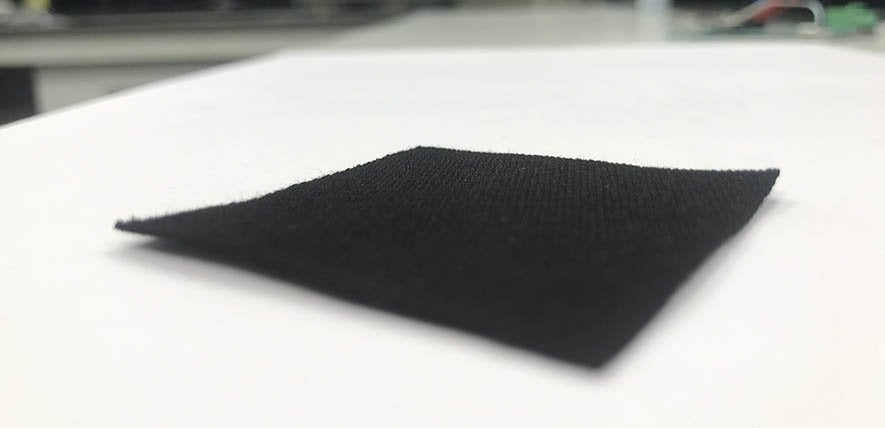
From the article: Researchers from the University of Cambridge used a method similar to charging a battery to instead charge activated charcoal, which is often used in household water filters.
By charging the charcoal ‘sponge’ with ions that form reversible bonds with CO2, the researchers found the charged material could successfully capture CO2 directly from the air.
The charged charcoal sponge is also potentially more energy efficient than current carbon capture approaches, since it requires much lower temperatures to remove the captured CO2 so it can be stored. The results are reported in the journal [https://www.nature.com/articles/s41586-024-07449-2).
“Capturing carbon emissions from the atmosphere is a last resort, but given the scale of the climate emergency, it’s something we need to investigate,” said Dr Alexander Forse from the Yusuf Hamied Department of Chemistry, who led the research. “The first and most urgent thing we’ve got to do is reduce carbon emissions worldwide, but greenhouse gas removal is also thought to be necessary to achieve net zero emissions and limit the worst effects of climate change. Realistically, we’ve got to do everything we can.”