
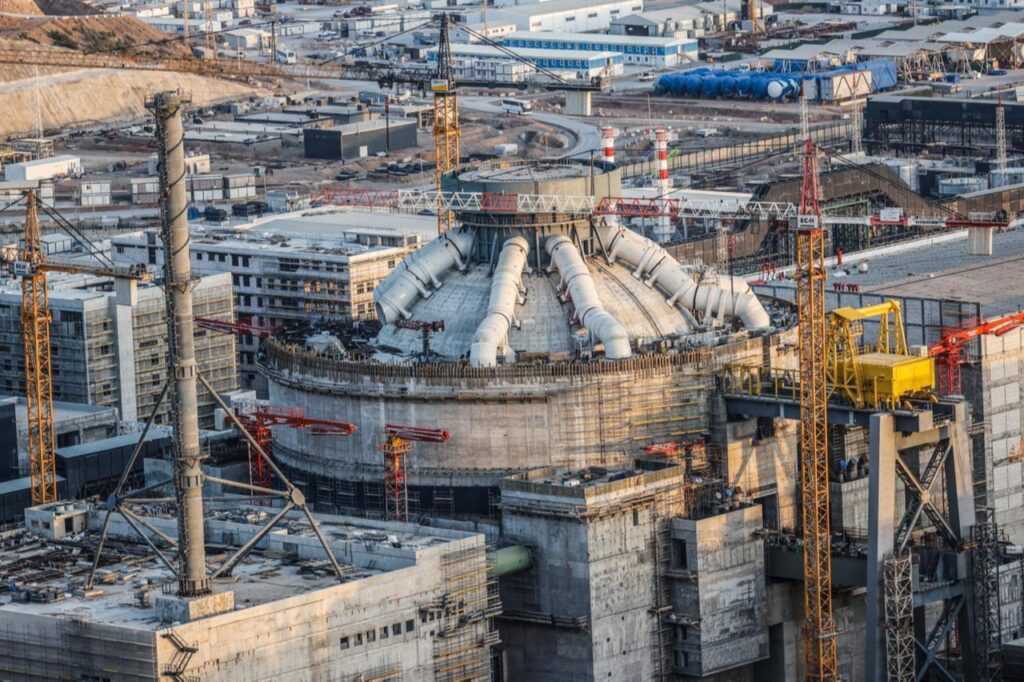
Russia has provided approximately $9 billion in new financing for Türkiye’s first nuclear power plant, Akkuyu, with the first reactor targeted to start producing electricity in 2026, Energy and Natural Resources Minister Alparslan Bayraktar stated on Friday.
“Russia has provided new financing of approximately $9 billion for the Akkuyu project,” Bayraktar said, according to Turkish business daily Dunya.
“This source of financing will probably be used in 2026-2027. In 2026 alone, $4-5 billion in external financing will flow into Türkiye through this channel,” he added.
Bayraktar confirmed that 2026 has been set as the target year when the first reactor will start producing electricity.
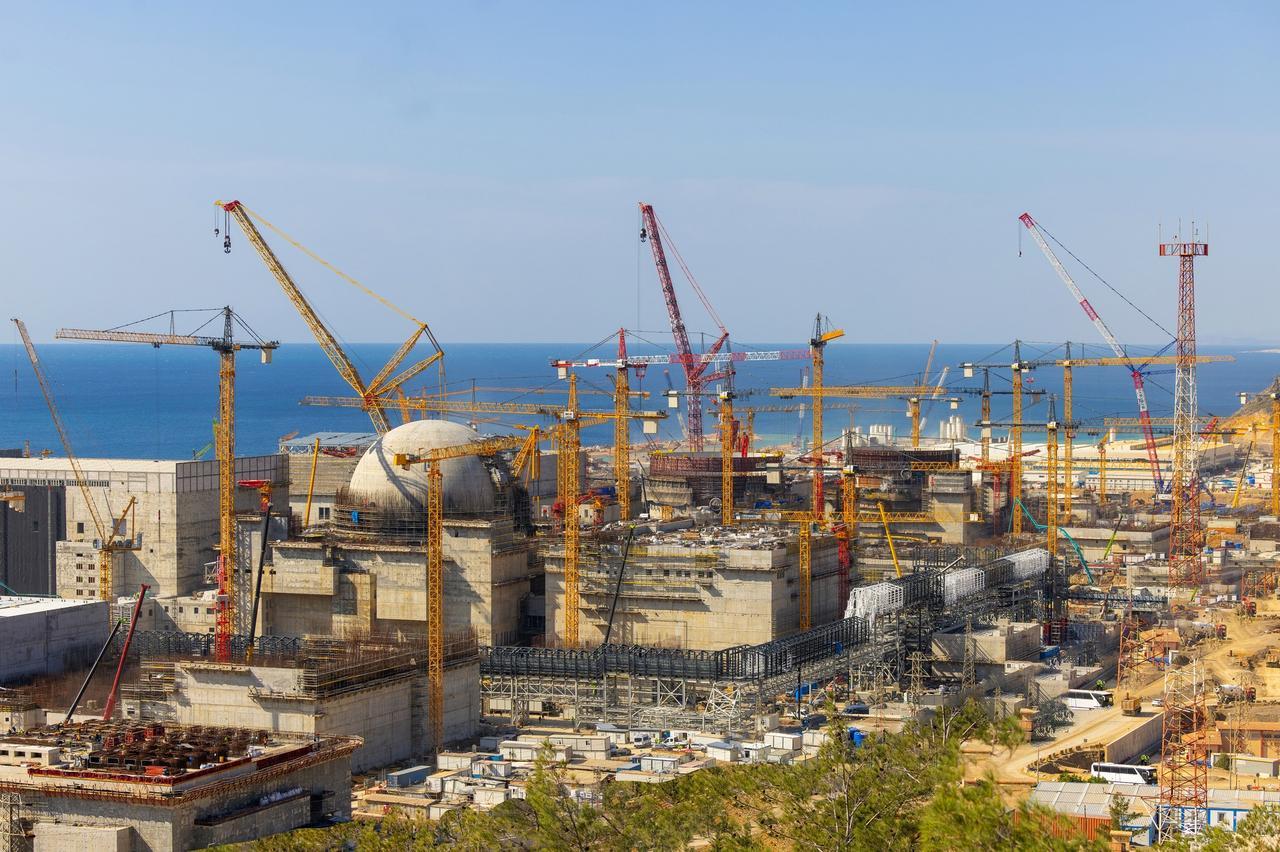

Akkuyu Nuclear Power Plant (NPP), which is under construction in the Gulnar district of Mersin, Türkiye on 2 Dec, 2024. (AA Photo)
Türkiye seeks higher localization with ‘clearer figures’
Bayraktar told journalists that Türkiye intends to increase the localization level at Akkuyu, which is being built by Russia’s Rosatom.
“We attach great importance to localization. The intergovernmental agreement on Akkuyu, signed in 2010, contains provisions regarding localization intentions, but you will not see clear figures there. At that time, conditions were such; now we want to increase localization with clearer figures,” Bayraktar said.
Bayraktar previously said that as of the second quarter of 2025, the localization level in the Akkuyu project reached 56%, amounting to approximately $10.6 billion.
He noted that Türkiye plans to use the localization experience in the implementation of two more nuclear power plant construction projects — in the Black Sea province of Sinop and the Thrace region in the European part of the country.
Akkuyu is Türkiye’s first nuclear power plant, featuring four power units with Russian-designed VVER Generation III+ reactors. Each unit has a capacity of 1,200 MW. It is the first project in the world nuclear industry implemented under the “build-own-operate” model.
Türkiye advancing as European energy hub
Bayraktar said Türkiye, which currently consumes 60 billion cubic meters of gas, has infrastructure capable of receiving up to 80 billion cubic meters of gas, according to Turkish daily Sabah.
“This creates opportunities for export and gas trade, turning Türkiye into an important supplier to Europe,” he said.
Bayraktar said Türkiye is working on a request from Romania to supply 1 billion cubic meters of gas per year.
“Currently, we can supply gas to Syria and Nakhchivan. We export gas to Europe through Bulgaria,” he said, calling Russia a “reliable supplier” of natural gas to Türkiye.
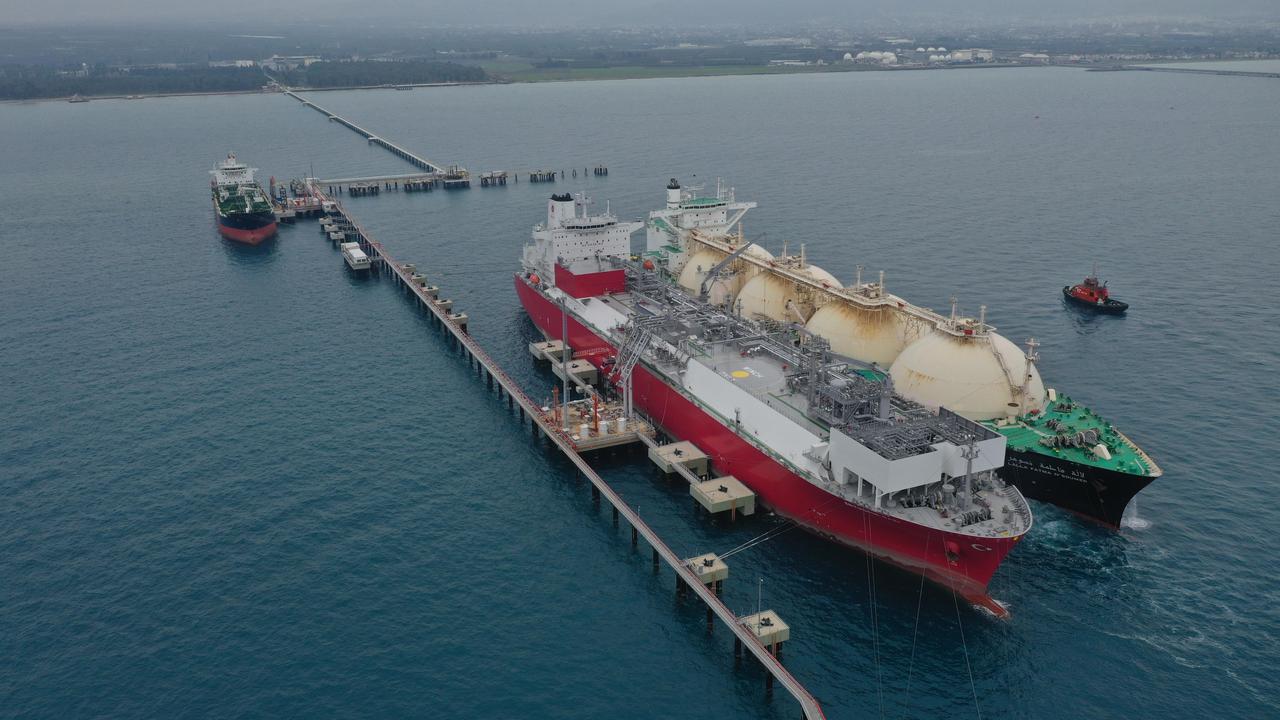
Türkiye’s first National Floating Storage and Regasification Unit (FSRU) vessel, Ertugrul Gazi, is pictured at an unspecified location and time. (AA Photo)
Overseas oil, gas and mining exploration
Bayraktar also stated in a different interview with Turkish media outlet Türkiye daily, that Ankara is pursuing oil, gas and mining exploration abroad in countries including Niger, Pakistan, Kazakhstan, Libya and Iraq.
“We will host the Niger Foreign Minister shortly. We have a gold investment in Niger with MTA-IC. We changed that structure by bringing Eti Maden and MTA-IC together. These companies will be active in Africa, Central Asia and different parts of the world,” Bayraktar said.
“We signed an agreement with Pakistan in five fields for oil and natural gas. We also want to be in mining in Pakistan. We are working to secure resources both at home and abroad,” he added.
Bayraktar said Türkiye is working on concrete projects with Iraq, Libya, Kazakhstan and other countries, which will be shared with the public in due course, adding that, “Turkish Petroleum is looking like it will become a company producing 500,000 barrels of oil and gas per day by 2028, even without any new discoveries.”
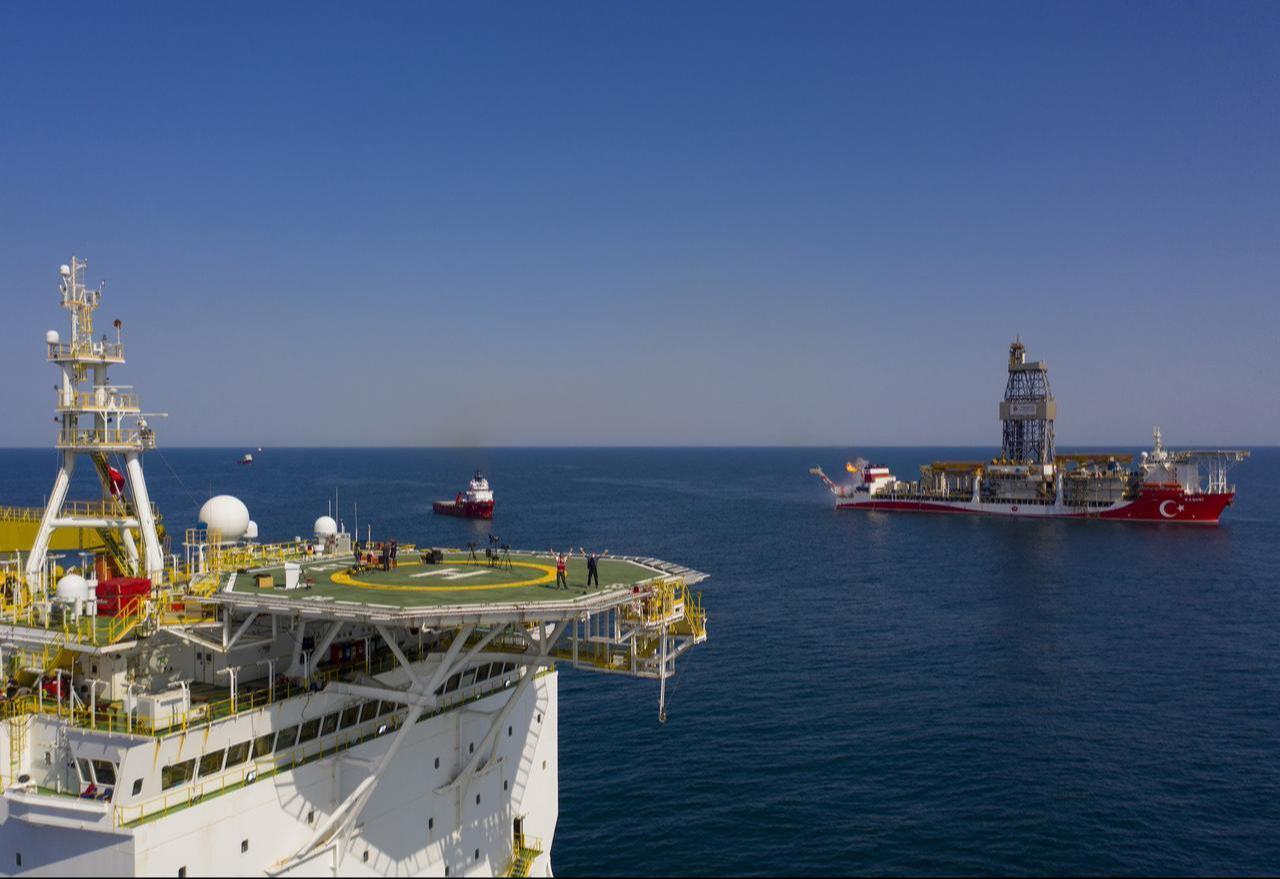
Fatih and Kanuni drilling ships are seen as Kanuni drilling vessel completed the flow test of Turkali-2 well at Sakarya Gas Field, in Zonguldak, Türkiye on Jul. 29, 2021. (AA Photo)
Black Sea and Mediterranean drilling plans of Türkiye
Turkish Energy Minister noted that Ankara will conduct six new drilling operations in the Black Sea this year off the coasts of Samsun and Ordu, using its own vessels.
“Reserves that could come from there could reach production by 2029. There are partnerships abroad. We will drill offshore in Pakistan. We will also drill in Somalia in 2026,” he said.
“We have two ships. One will go to the Black Sea, one to the Mediterranean. Another operation could be Libya. We will explore, we will acquire, we will increase our presence abroad,” Bayraktar added.
“Türkiye’s daily oil consumption is at 1 million barrels,” he noted, adding that, “To raise daily domestic production to this level, you can do two things. First, company acquisition; second, a new discovery in the Black Sea. I think Diyarbakir’s potential could reach 250,000 barrels per day.”
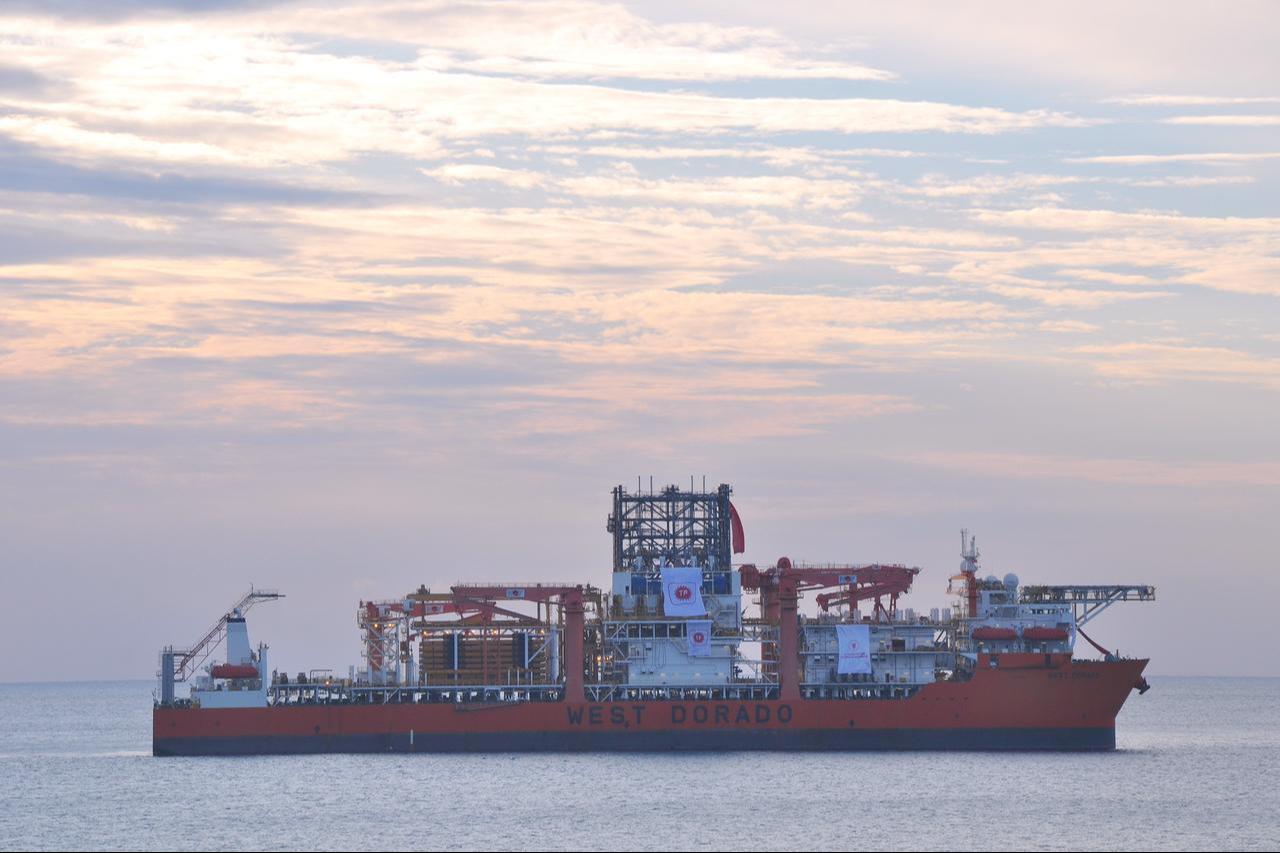
Türkiye’s sixth deep-sea drilling vessel, which will operate in the Black Sea, has anchored off the coast of Tasucu Port in Mersin, Türkiye on Dec. 4, 2025. (AA Photo)
Sakarya Gas Field to quadruple production by 2028
Bayraktar noted that the production at the Sakarya Gas Field will double in 2026 and quadruple by 2028.
“As production doubles, we are heading toward a period where we will meet the natural gas needs of 8 million households with our own gas. Thus, we will have prevented $3.2 billion in imports,” he said.
Bayraktar noted there is a very important reserve in Gabar, with daily production at 80,000 barrels.
Renewables: 120,000 MW target by 2035
Bayraktar said Türkiye will continue building renewable energy plants in 2026 to reach the 120,000 MW target by 2035.
“This year we will finish with approximately 6,500 MW of solar. To meet the 2035 target, we need to bring 7,000-8,000 MW capacity online every year in wind and solar. We will finish this year with 2,000 MW in wind and 5,900-6,000 MW in solar,” he added.
Bayraktar said capacity will be opened for industrialists who want to build plants for their own consumption, starting with rooftops. “Tourism facilities are also building plants for their consumption,” he added.
Bayraktar stated that Türkiye wants to implement nearly 3,000 MW of floating solar power plants on the surfaces of Ataturk Dam, Karakaya and Keban, which are held by Electricity Generation Inc. (EUAS), adding that, “We will start floating solar plants in 2026. Floating solar plants will also prevent water loss through evaporation.”
‘We will not be like Spain and Portugal’
Referring to infrastructure as “energy highways,” Bayraktar said Türkiye will make significant investments.
“To avoid being like Spain and Portugal, which were without electricity for a month, we continue to invest. We have an investment forecast of around ₺1 trillion ($23.2 billion) in five years. Akkuyu, a continuous energy source, will also come online this year,” he concluded.

December 26, 2025 02:56 PM GMT+03:00