

Recently, dictionary.com made headlines when it announced its 2025 word of the year was not actually a word at all, but a number: “67.” Having two children at home, ages 8 and 12, I’m all too familiar with this mysterious “word,” which seems to appear constantly in conversation while meaning pretty much nothing.
So, in that spirit, I’ve decided my economic “word” of the year won’t be a word either. It will be a letter. The letter K.
If you follow economic news, you may already know the term. It refers to the K-shaped recovery after COVID-19, where one arm goes up and the other goes down. For higher-income households, the trend has been upward: wage gains, a strong stock market, and historically low mortgage rates locked in before interest rates spiked. But for many middle- and lower-income households, the trend has been flat or declining: marked by rising costs, high mortgage rates, and stagnant wages in many occupations.
Which side of the “K” you fall on comes down to a few key factors: whether you own a home; have student debt; hold investments; or spend a large portion of your income on basics like rent, groceries, and utilities.
And for many families, the biggest pressure point has been inflation. As of September, the 12-month inflation rate is 3% — much improved from the 9.1% peak in 2022, but still above the Federal Reserve’s target.
Not surprisingly, that strain is reflected in how people feel about the economy. Earlier this month, the Michigan Consumer Sentiment Survey recorded a Current Conditions Index of 50.7, the lowest reading since the survey began nearly 50 years ago. In other words, many consumers are feeling anxious about their current economic situation.
Duluth residents are experiencing many similar “K-shaped” disparities. While the city’s overall unemployment rate is 3.8%, rates for young workers, older workers, and Black and American Indian job seekers are, in many cases, several times higher. Initial unemployment insurance claims are down, meaning fewer layoffs; but regular claims are up, suggesting that those already unemployed are struggling to find work. And only eight of Duluth’s 18 business sectors have returned to pre-pandemic employment levels, with growth concentrated in construction, manufacturing, health care, and a few others — while retail, hospitality, and many service sectors continue to lag.
Yet Duluth has several core strengths that make it more resilient to future economic challenges. One is our health care sector, which has remained a bright spot both nationally and locally, adding jobs even when other sectors have been cutting. Duluth has also seen recent increases in population (a welcome change after years of flat growth), fueled primarily by people moving into the city from elsewhere in Minnesota and the rest of the country. That’s notable when Minnesota overall experienced a net migration deficit of more than 11,000 residents.
Lastly, communities that thrive tend to have passionate, engaged citizens — and in this area, Duluthians stand out. Duluth consistently posts some of the highest voter turnout rates in the country; and even in this past November’s off-year election, about 18,000 ballots were cast, a roughly 33% turnout. The city also supports more than 30 boards and commissions (nearly as many as the city of Minneapolis!), largely filled by volunteers who give their time to address local issues.
And, beyond formal processes, Duluth residents show up in countless ways: speaking at School Board meetings, gathering for National Night Out, joining community singalongs at Dovetail Café, and filling the streets of Lincoln Park on Small Business Saturday.
These strengths don’t erase the challenges of a K-shaped recovery, but they suggest Duluth has the ingredients to chart a more-inclusive and resilient path forward.
Monica Haynes is director of the Bureau of Business and Economic Research and an adjunct professor in the Department of Economics and Health Care Management at the University of Minnesota Duluth. She wrote this at the invitation of the News Tribune Opinion page.
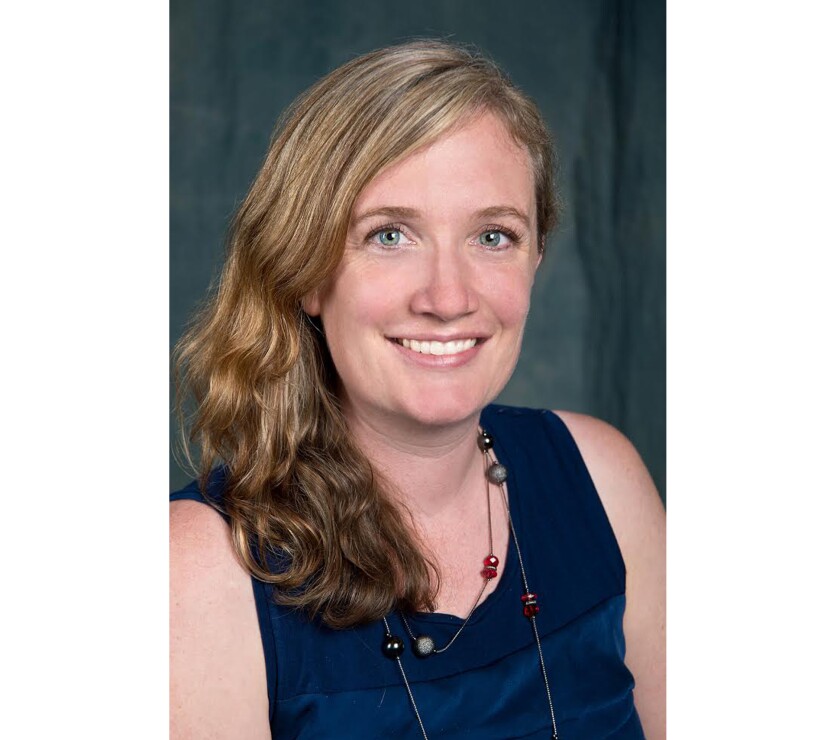
Monica Haynes

Gary Meader/Duluth Media Group
2026 OUTLOOK SERIES
The News Tribune Opinion page once again this year asked community leaders to gaze into their crystal balls and share what they see and expect in 2026. Their columns run Dec. 26 through Jan. 7.
TODAY — Northland Economy
Dec. 27 — Duluth Public Schools
Dec. 28 — St. Louis County
Dec. 29 — Business/Chamber
Dec. 30 — Economic Development
Dec. 31 — City of Duluth
Jan. 1 — Higher Ed I
Jan. 2 — Higher Ed II
Jan. 3 — Public Safety
Jan. 4 — Minnesota House
Jan. 5 — Minnesota Senate
Jan. 6 — Downtown
Jan. 7 — D.C.