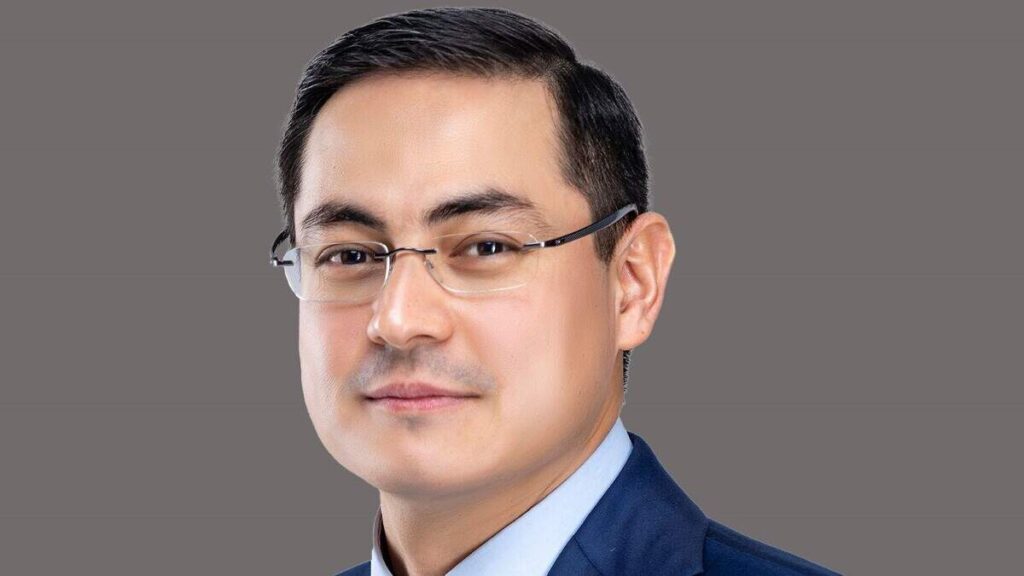
A little-known Kazakh businessman has staged a bid to acquire 40% of international mining company Eurasian Resources Group, setting up a confrontation with chief executive Shukhrat Ibragimov who made a similar offer earlier in the year.
The rival bids from 35-year-old Shakhmurat Mutalip and 39-year-old Ibragimov, the son of one of ERG’s now-deceased oligarch founders, are the latest twist in the history of the former FTSE 100 company that was known as ENRC.
Ibragimov proposed acquiring the same 40% of the miner, the Financial Times reported in May. Those shares are at present held by its co-founder, Patokh Chodiev, and by the heirs of Alexander Mashkevich, the third of the founders, who died earlier this year.
However, the talks stalled when Ibragimov struggled to raise the necessary funds amid long-running tensions between the three families, according to two people familiar with the matter.
Mutalip, who owns Kazakh building group Integra Construction KZ, has since intervened, agreeing terms with the Chodiev and Mashkevich families to acquire their combined stake for $1.4 billion (€1.19 billion), according to three people familiar with the matter. However, Ibragimov must first waive his family’s right of first offer in order for Mutalip’s deal to proceed, two of the people said.
Chodiev, Mashkevich and Ibragimov’s father, Alijan Ibragimov – known in the industry as “the Trio” – founded the business in the 1990s with formerly state-owned mining assets that were privatised by the Kazakh government following the collapse of the Soviet Union.
Also read:Son of Kazakh oligarch in tussle for control of miner ENRC
The Trio, once described by a company non-executive director as “more Soviet than City”, listed Eurasian Natural Resources Corporation in London in 2007 and expanded operations to include projects in Zambia and the Democratic Republic of Congo.
ENRC became a symbol of the flow of former Soviet money into London before it crashed out of the FTSE amid a corruption probe by the UK Serious Fraud Office that was dropped after a decade. The SFO may yet have to pay damages to the company over the way the agency handled the criminal investigation.
The Chodiev, Mashkevich and Ibragimov families each control about 20% of Luxembourg-registered ERG, with the remaining 40% held by the Kazakh government. The government was supportive of Ibragimov’s attempt to buy out the other families earlier in the year, according to a person familiar with those talks. It is not known whether that position has changed.
The negotiations are taking place at a moment of increased political and investor interest in the mining sector as the west competes with China to get better access to the metals needed to build out artificial intelligence and clean energy infrastructure.
Representatives for the Ibragimov, Chodiev and Mashkevich families did not respond to requests for comment. ERG declined to comment. Mutalip did not respond to a request for comment sent to his company.
Mutalip’s $1.4 billion (€1.19 billion) bid for 40% of ERG follows an earlier offer last month for Glencore’s 70% stake in Kazzinc, Kazakhstan’s biggest zinc producer, Bloomberg reported. Mutalip offered about $3.5 billion (€2.97 billion) for the Kazzinc stake, according to a person familiar with the deal.
The two offers mark a surprisingly high-value push for some of Kazakhstan’s biggest mining assets by a relative newcomer with little prior experience in the sector, the person said.
Mutalip began his career in 2008 as a railway sleeper production mechanic at Kazakh company Bent, which produces reinforced concrete sleepers and fasteners, according to an official CV, before rising through the ranks to become a vice-president at the company.
In 2020, he took over as executive and then board chair of Integra Construction, a railway and roads construction and repair company, becoming its beneficial owner in 2022, according to its website.
In October, Mutalip became chair of the construction, housing and utilities committee of Kazakhstan’s national chamber of entrepreneurs, and is at present also the president of the country’s boxing federation.
ERG relies heavily on financing from two of Russia’s top state banks, VTB and Sberbank, both of which were hit with EU and US sanctions following Russia’s full-scale invasion of Ukraine in February 2022.
As of 2023 it owed $3 billion (€2.55 billion) to VTB, and in 2024 restructured about $2 billion (€1.7 billion) of that debt, converting it from dollars into renminbi. ERG carried out a similar restructuring with Sberbank a year earlier.
Last year the miner sank to its biggest annual loss since delisting, as those borrowing costs weighed on its finances, the FT reported in August.