
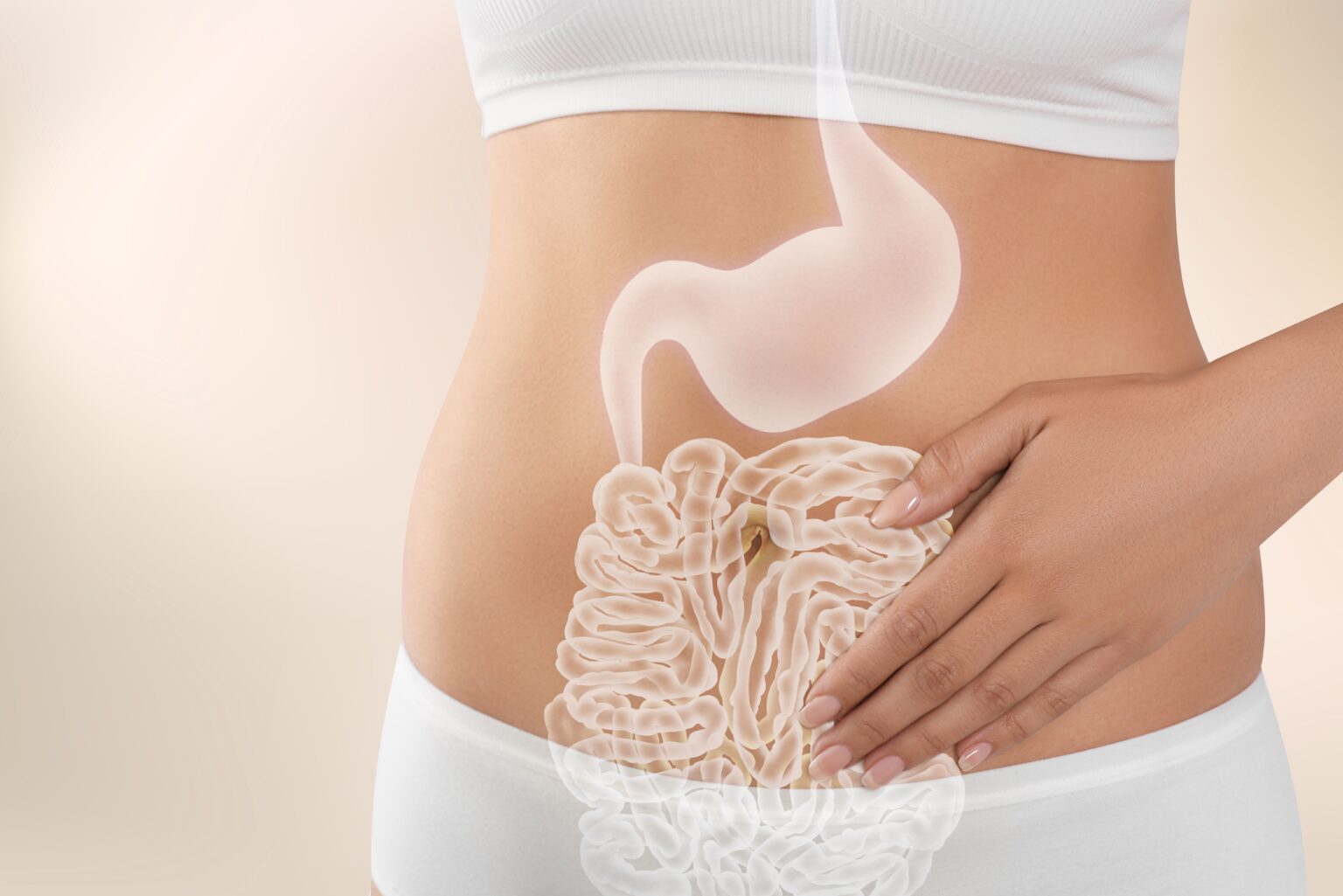
Mental health could be more than what is happening in our heads, according to new research. It may also start in our stomachs. With nearly 1 in 7 individuals living with a mental health disorder, researchers are questioning whether a healthier gut could help individuals feel better emotionally.1,2
“We already know that the trillions of microbes in our digestive system talk to the brain through chemical and neural pathways, affecting our mood, stress levels, and even cognition,” Srinivas Kamath, lead author and PhD candidate from the University of South Australia in Adelaide, said in a news release. “But the big question is whether changes in gut bacteria actually drive mental illness or mirror what’s happening elsewhere in the body.”2
How Big Is the Global Impact of Mental Health Disorders?
Mental health conditions include disorders, psychosocial disabilities, and other states that cause significant distress, impaired functioning, or risk of self-harm. According to the World Health Organization (WHO), in 2019, approximately 970 million individuals worldwide were living with a mental disorder, most commonly anxiety or depression. These conditions can disrupt daily life, relationships, school, and work.3
Global data provided by WHO noted that mental disorders account for 1 in 6 years lived with disability, and severe conditions are linked to a 10- to 20-year reduction in life expectancy, a higher risk of suicide, and increased exposure to human rights violations. They also carry major economic costs, with productivity losses far exceeding direct health care expenses.3
Could Improving Gut Health Help Treat Mental Illness?
The gut microbiota plays an essential role in mental health through the 2-way microbiota-gut-brain axis, but it is still unclear whether its link to conditions such as depression, anxiety, posttraumatic stress disorder, and schizophrenia is causal or simply correlated.1 Researchers are therefore exploring how microbial metabolites, immune pathways, and neural signaling may influence this relationship while also working to separate causation from correlation. A clearer understanding of these mechanisms could lead to personalized treatments, better biomarkers, and more equitable research.1
Results from the review found strong evidence in animal studies that gut microbes can alter brain chemistry, stress responses, and behavior. They also identified disrupted gut patterns in conditions such as depression and schizophrenia.1,2
Findings from early clinical trials suggest that probiotics, dietary changes, and fecal microbiota transplants may help improve mood and anxiety. Additionally, psychiatric medications appear to influence the gut microbiome, further supporting the gut-brain connection.1,2
“There’s a growing awareness that lifestyle factors such as diet, stress, and environment can shape both gut bacteria and mental well-being,” Paul Joyce, PhD, head of the Translational Nanomedicine & Biotherapeutics Group at the University of South Australia, said in a news release. “If we can prove that gut bacteria play a direct role in mental illness, it could transform how we diagnose, treat, and even prevent these conditions.”2
The researchers emphasized that future work should follow gut changes over longer periods and involve larger, more diverse groups to better capture how factors such as diet, environment, and culture influence the gut-brain relationship. To achieve this, Joyce added that clinical trials need to expand beyond small, short-term designs and evaluate whether microbiome-focused treatments can provide durable benefits, particularly when used alongside current therapies.1,2
REFERENCES
- Kamath S, Sokolenko E, Clark SR, et al. Distinguishing the causative, correlative and bidirectional roles of the gut microbiota in mental health. Nat Ment Health. 2025;3:1137-1151. doi:10.1038/s44220-025-00498-0
- More than a feeling: could a healthier gut improve mental health? News release. University of South Australia. October 10, 2025. Accessed November 20, 2025. https://unisa.edu.au/media-centre/Releases/2025/more-than-a-feeling-could-a-healthier-gut-improve-mental-health/
- Mental health. World Health Organization. Accessed November 20, 2025. https://www.who.int/health-topics/mental-health