
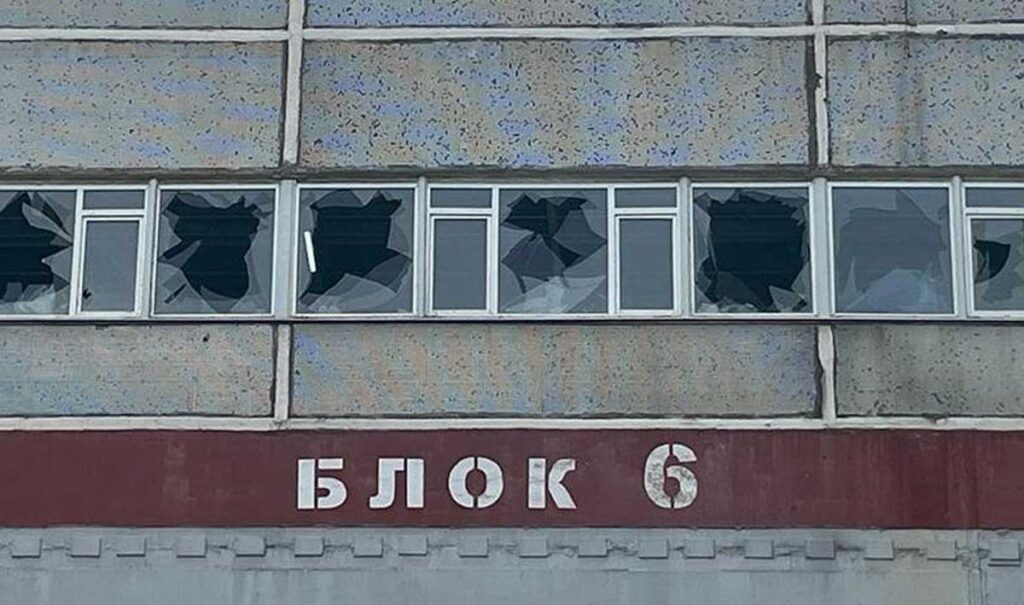
The Zaporizhzhia nuclear power plant, the largest in Europe, is a central issue in U. S. President Donald Trump’s peace plan for the ongoing war between Russia and Ukraine. This matter is part of a broader peace proposal from Ukrainian President Volodymyr Zelenskiy, comprising 20 key points. The power plant has been under Russian control since March 2022, with Russia asserting ownership while most of the world maintains it belongs to Ukraine. A significant proposal has emerged from the U. S. for a joint trilateral operation of the plant with Ukrainian participation and an American chief manager overseeing its operations.
Currently located in Enerhodar, the power plant has six reactors and a total capacity of 5.7 gigawatts. However, since Russia’s takeover, five reactors have been shut down, and the last one ceased operation in September 2022. Four of the reactors have transitioned to using fuel from Westinghouse, moving away from Russian nuclear fuel. The plant’s management states that all reactors are now in “cold shutdown. ” Both Russia and Ukraine have accused each other of attacks on the plant and disruptions to its power lines, which has often compelled it to rely on emergency diesel generators for essential cooling functions.
Russia’s aim in controlling the Zaporizhzhia plant stems from its intent to address an energy deficit in southern Russia. Recent licensing from Russian authorities aimed at restarting one reactor has been labeled illegal by Ukraine, which fears potential nuclear accidents. Meanwhile, Ukraine has suffered extensive damage to its energy infrastructure due to Russian strikes, leading to substantial power shortages. Analysts estimate that Ukraine faces a generation capacity deficit matching the output of four Zaporizhzhia reactors, proposing a lengthy recovery and restoration process if it regains control of the facility.
An ongoing concern is the dwindling water supply necessary for cooling the reactors, exacerbated by the destruction of the Kakhovka hydroelectric dam in 2023. The plant requires adequate water for both its reactors and spent fuel pools; without it, the risk of overheating and fire increases. Reports indicate a significant drop in the water level at the plant’s cooling pond, raising alarms about the safety of operations, as the current reserves may only suffice for one or two reactors. Consequently, the situation at the Zaporizhzhia plant raises critical questions about nuclear safety amid the conflict and the potential repercussions if issues remain unaddressed.
With information from Reuters