
Thank you for opening your Chartbook email.
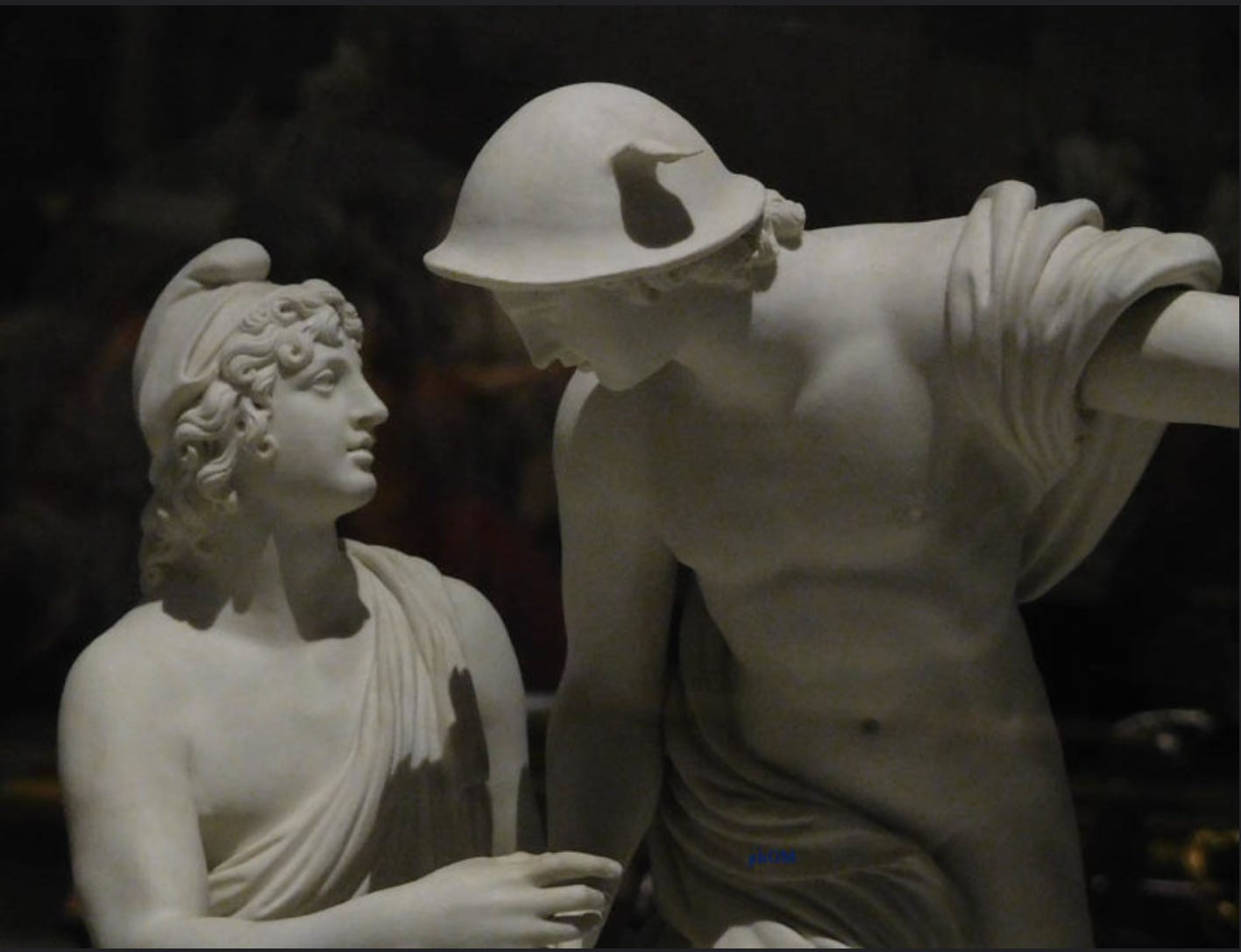
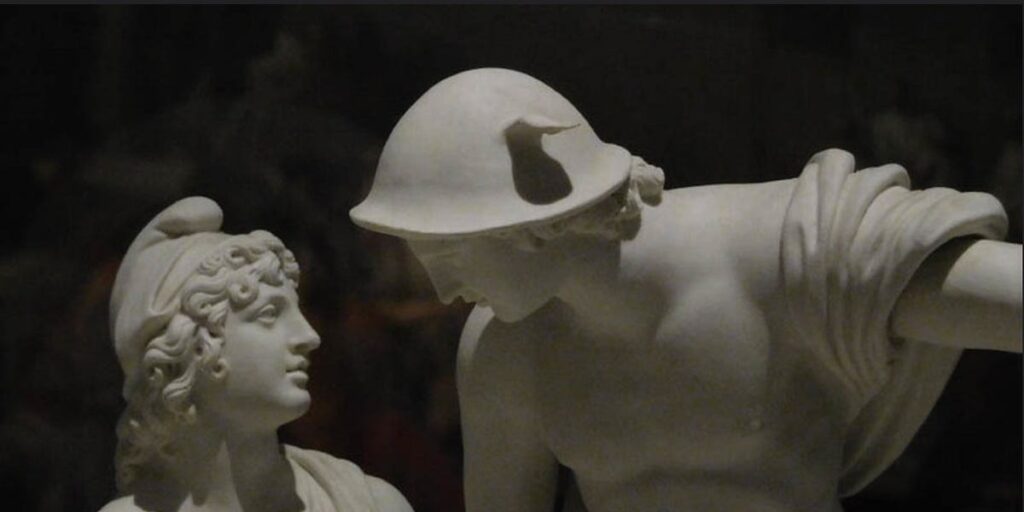
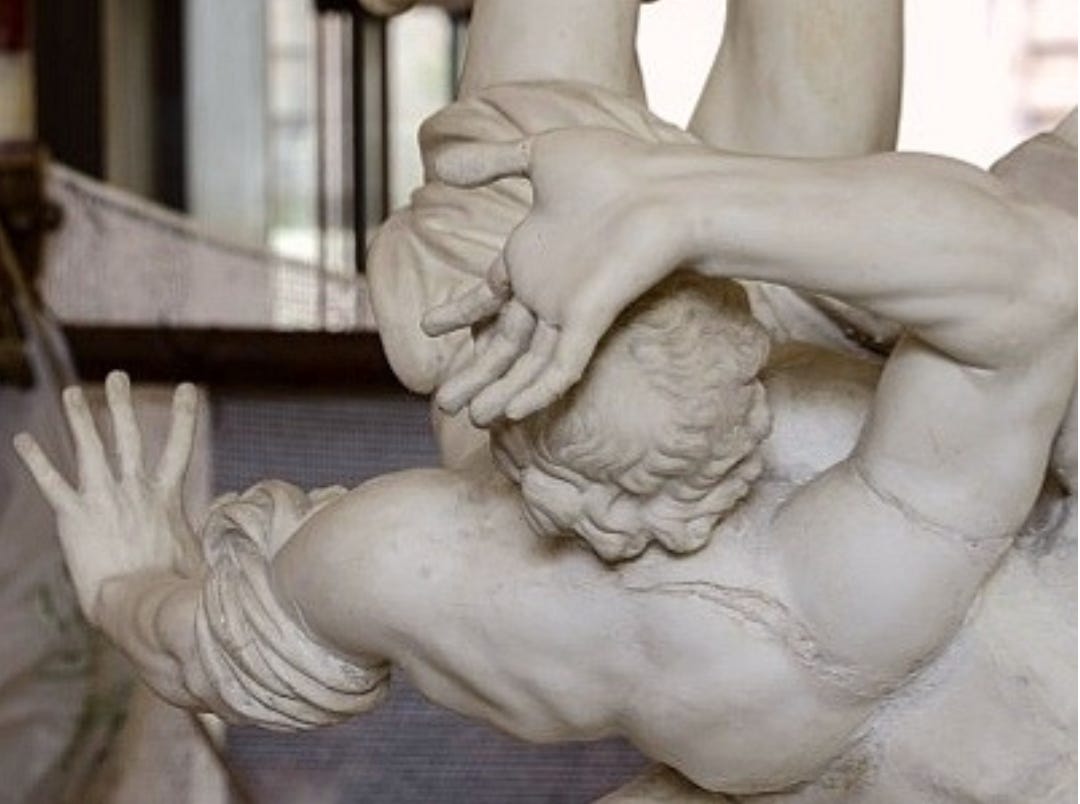
Filippo Tagliolini Paride e Nettuno
Source: Flickr
The German recession of the early 2000s is a hugely underrated moment of modern Europe’s modern economic history.
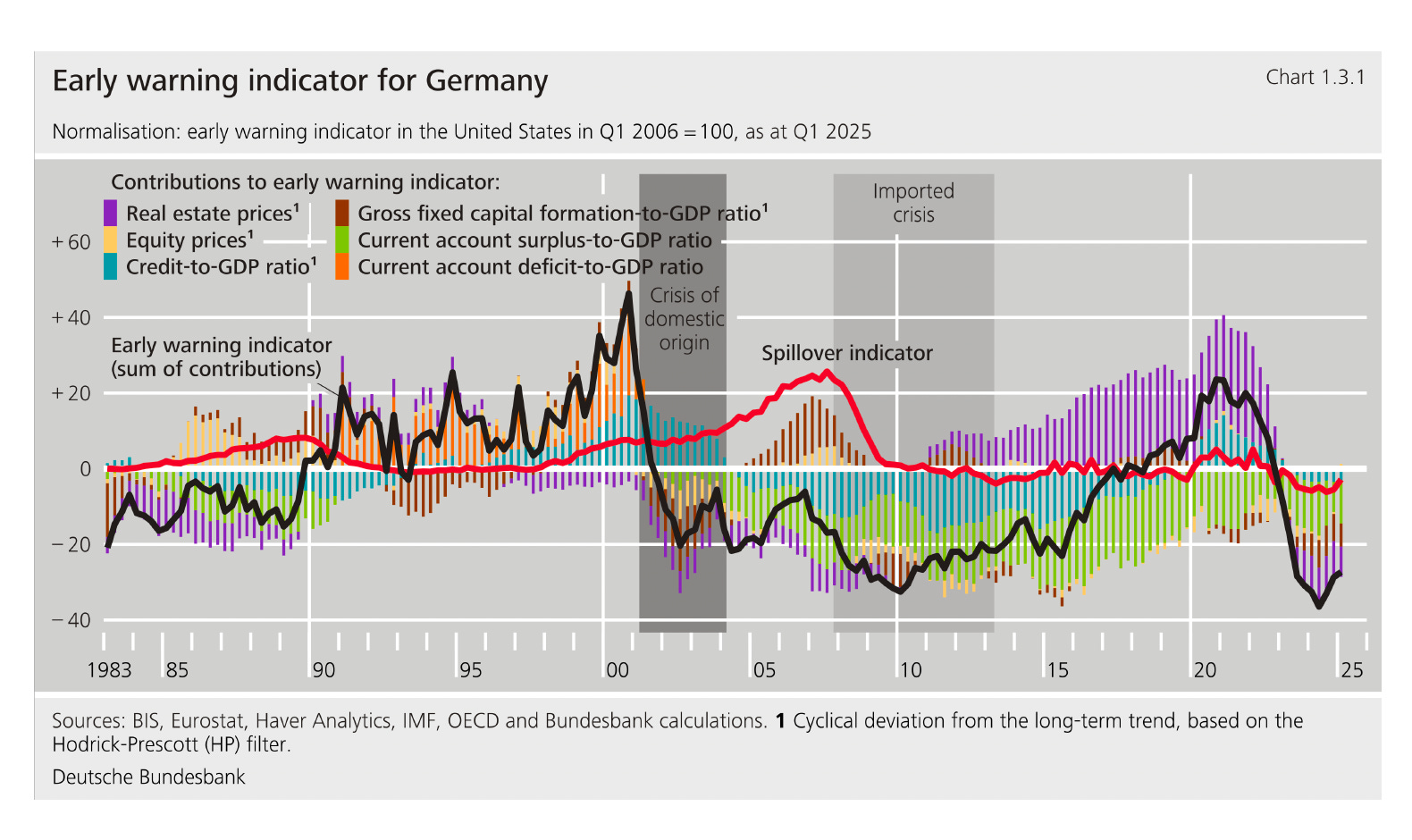
Source: Deutsche Bundersbank
Part of the resilience of China’s global trading position are the investments it has made in connector countries.
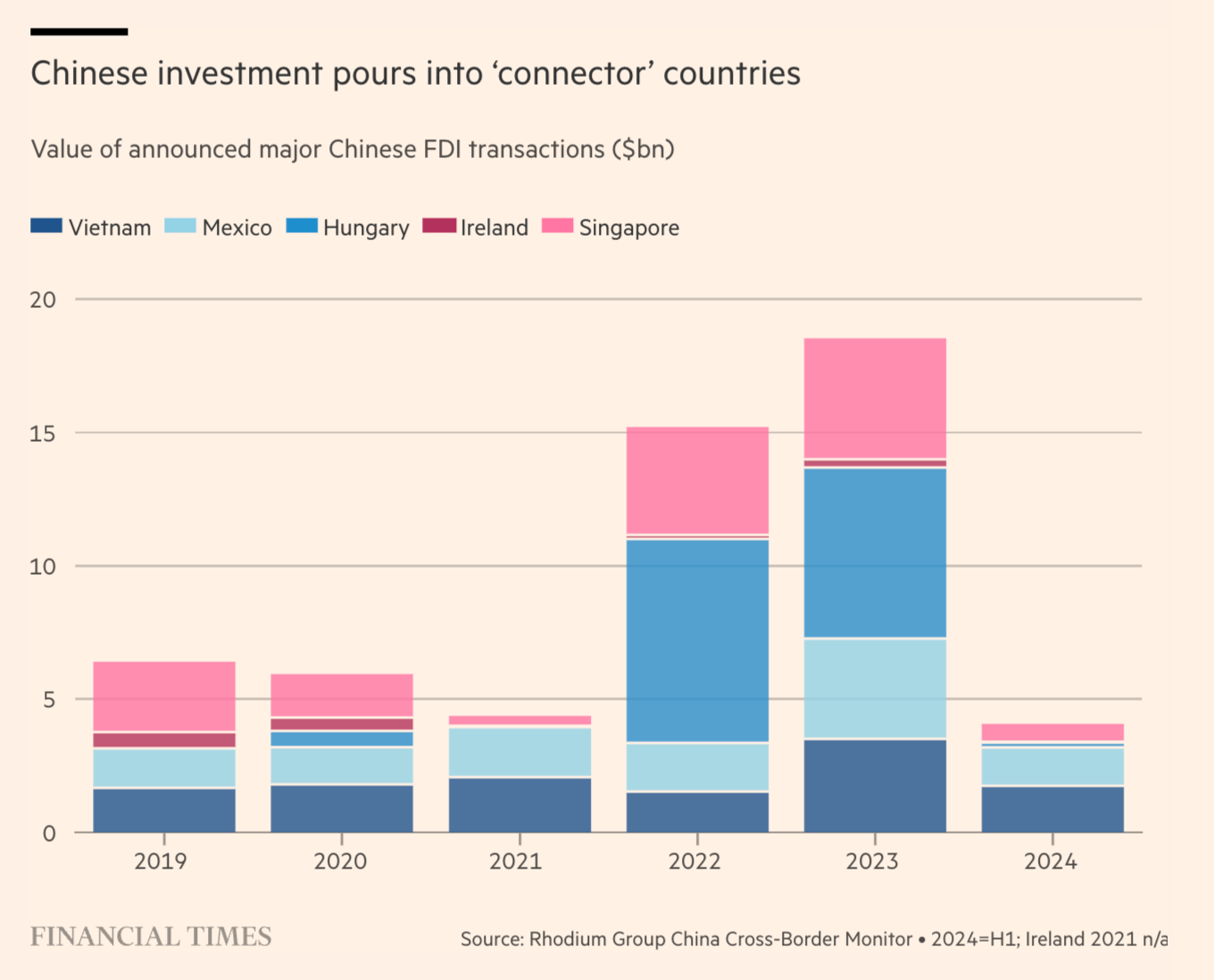
China’s trade with a range of EM is multiplying.
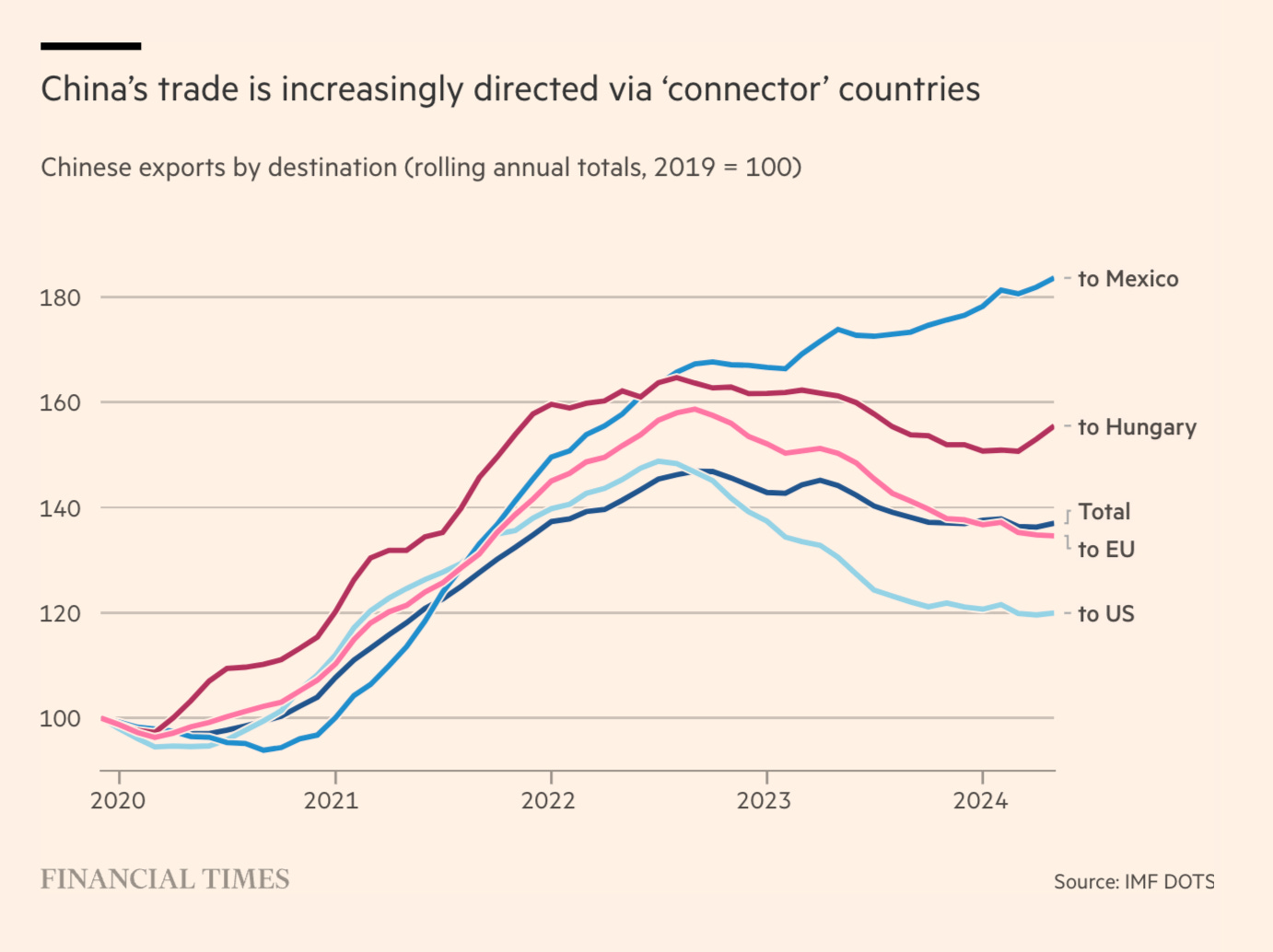
Hungary is increasingly important to China’s position in Europe.
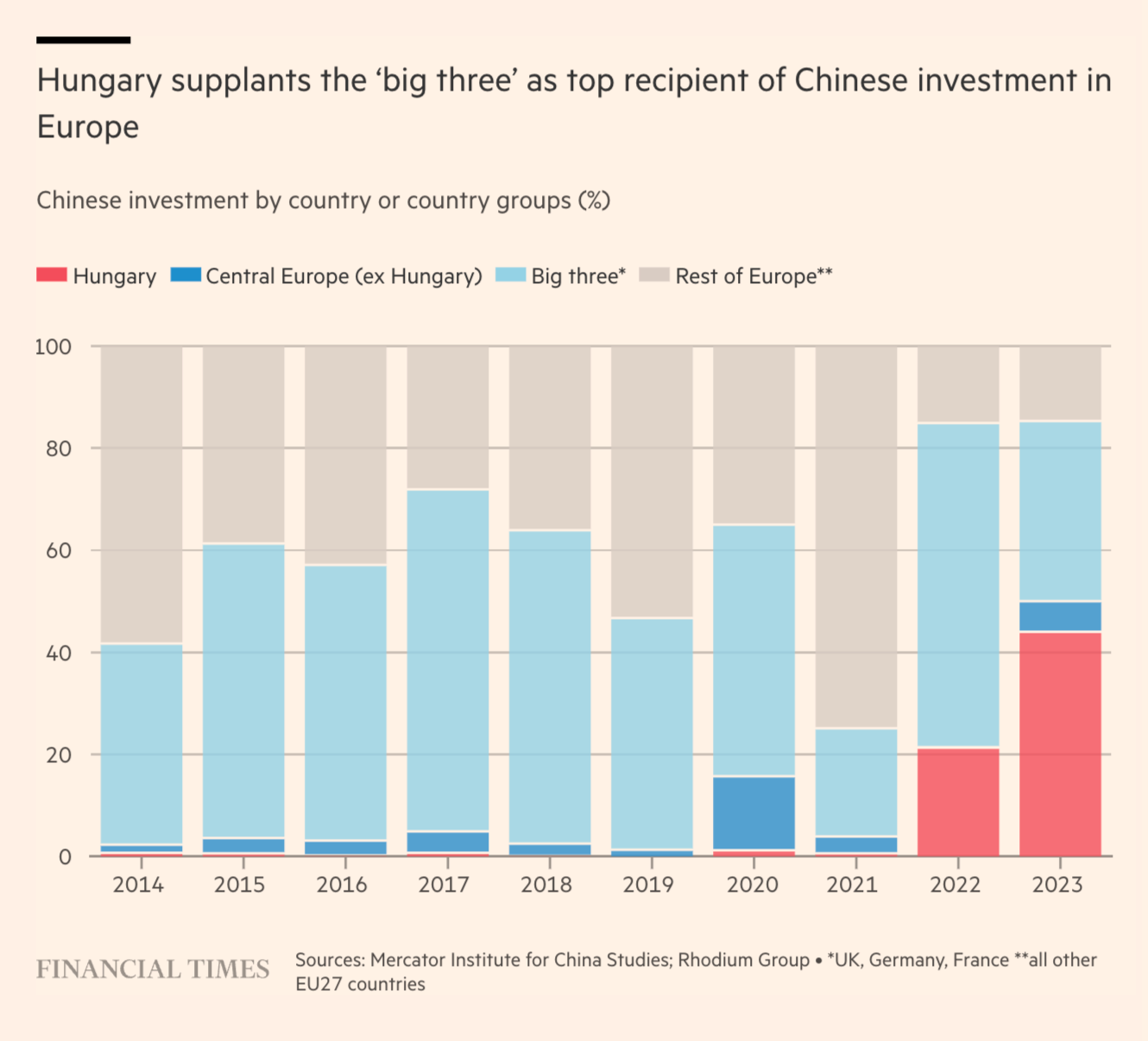
Source: Financial Times
Although the last country to abolish legal slavery did so in 1981, practices akin to slavery continue to exist and affect millions of people worldwide.
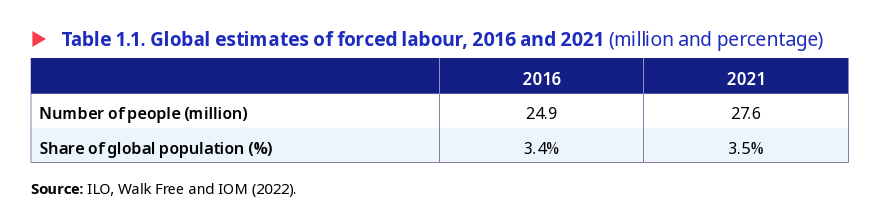
Analysis of forced labour suggests a troubling trend. The number of people in forced labour has risen in recent years. Estimates of the total number of people in forced labour from 2016 to 2021 suggest forced labour has risen from 24.9 million to 27.6 million. Compounding this, recent research suggests that profits extracted from forced labour, both in absolute terms and per person, increased from 2014 to 2024.
Source: International Labour Organization
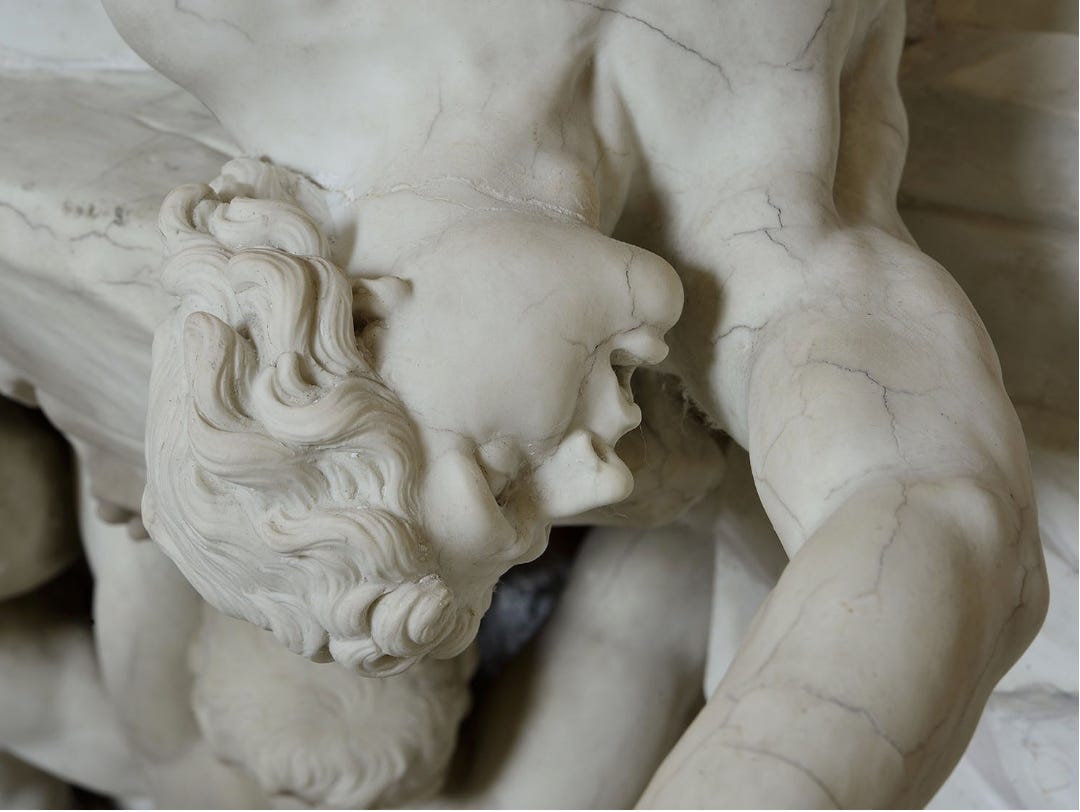
Source: Tumblr
Filippo Tagliolini
For contributing subscribers only.
Sudan’s size compared
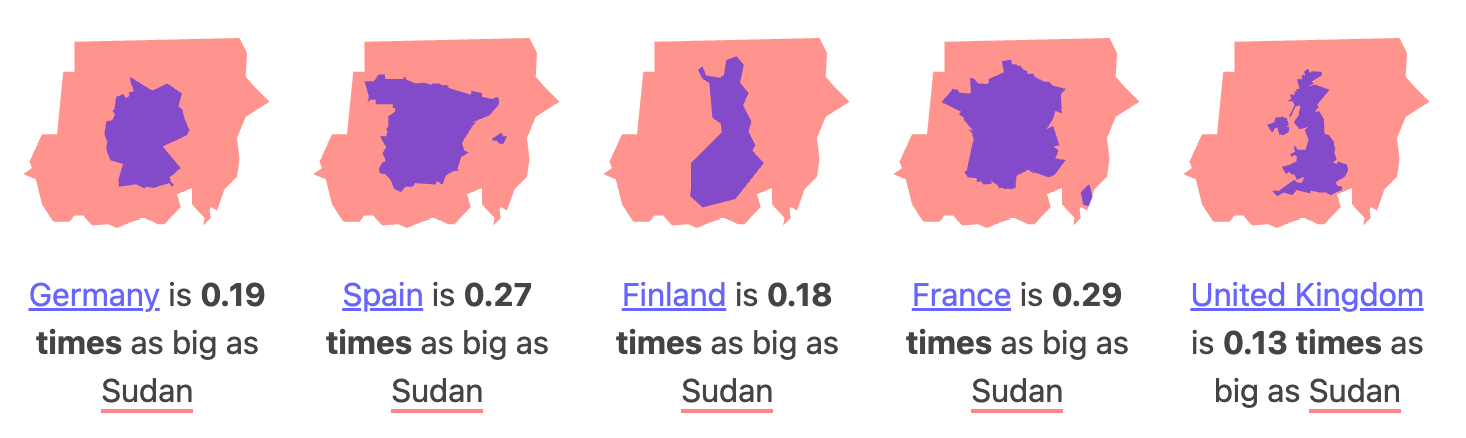
Source: Mapflight
The Murderous Bazaar, Jamal Mahjoub on the Sudan war
How could this happen—we asked ourselves over and over. How did a functioning, if struggling, country collapse into mayhem and ruin? During the first few months of the war, back in April 2023, we all looked on in horror and incredulity as the city we knew and loved began to crumble before our eyes. Thick palls of black smoke hanging over the skyline told us this was like nothing we had ever seen before. With power cuts and communications breaking down we tried desperately to contact friends and family. How could this violence bring anything but disaster? People relayed pictures of famil-iar homes that had been invaded, windows and doors smashed, their belongings trashed or stolen. Military helicopters skimmed by over the trees as gun battles raged from street to street. The airport, the palace, the national bank, the old Souk al-Arab, all lay in ruins, blown apart, burned to the ground. It didn’t matter who was doing the firing, the casualty was always the city.
In the beginning it was a spectacle, occupying the media sphere as news outlets raced to cover the dramatic evacuation of foreign nationals. British military planes and American helicopters swept in to rescue their citizens. Many of these were Sudanese who had fled the country over three decades of the Bashir regime. They had acquired British or American citizenship while in exile. Now they were being rescued from their old world. This was a sign of the new face of Sudan—a fractured nation divided along many fronts, but also between those within and those without. It was quite surreal to watch people marching up the ramps of the Royal Air Force C130 transport planes to be flown back to the safety of Britain. A bizarre echo of the nineteenth century, when the Relief Expedition raced to Khartoum to rescue General Gordon and his beseiged battalion in 1883. Once the evacuation was complete, the story simply dropped off the front pages. The world’s attention moved on; our problems were no longer of immediate interest. Outside observers laboured to classify what was happening. Was this a power struggle between two generals? Was it a civil war? The distinction is ultimately irrelevant. It is a watershed. An existential struggle for the very soul of the country. It marks the passing, of not just an era, but an entire phase in Sudan’s history as an independent nation.
Source: Transition Magazine Harvard
HEY READERS,
THANK YOU for opening the Chartbook email. I hope it brightens your day.
I enjoy putting out the newsletter, but tbh, what keeps this flow going is the generosity of those readers who clicked the subscription button.
If you are persuaded to click, please consider the annual subscription of $50. It is both better value for you and a much better deal for me, as it involves only one credit card charge. Why feed the payments companies if we don’t have to.
The First Intifada as general strike
For contributing subscribers only.
Forlorn hope
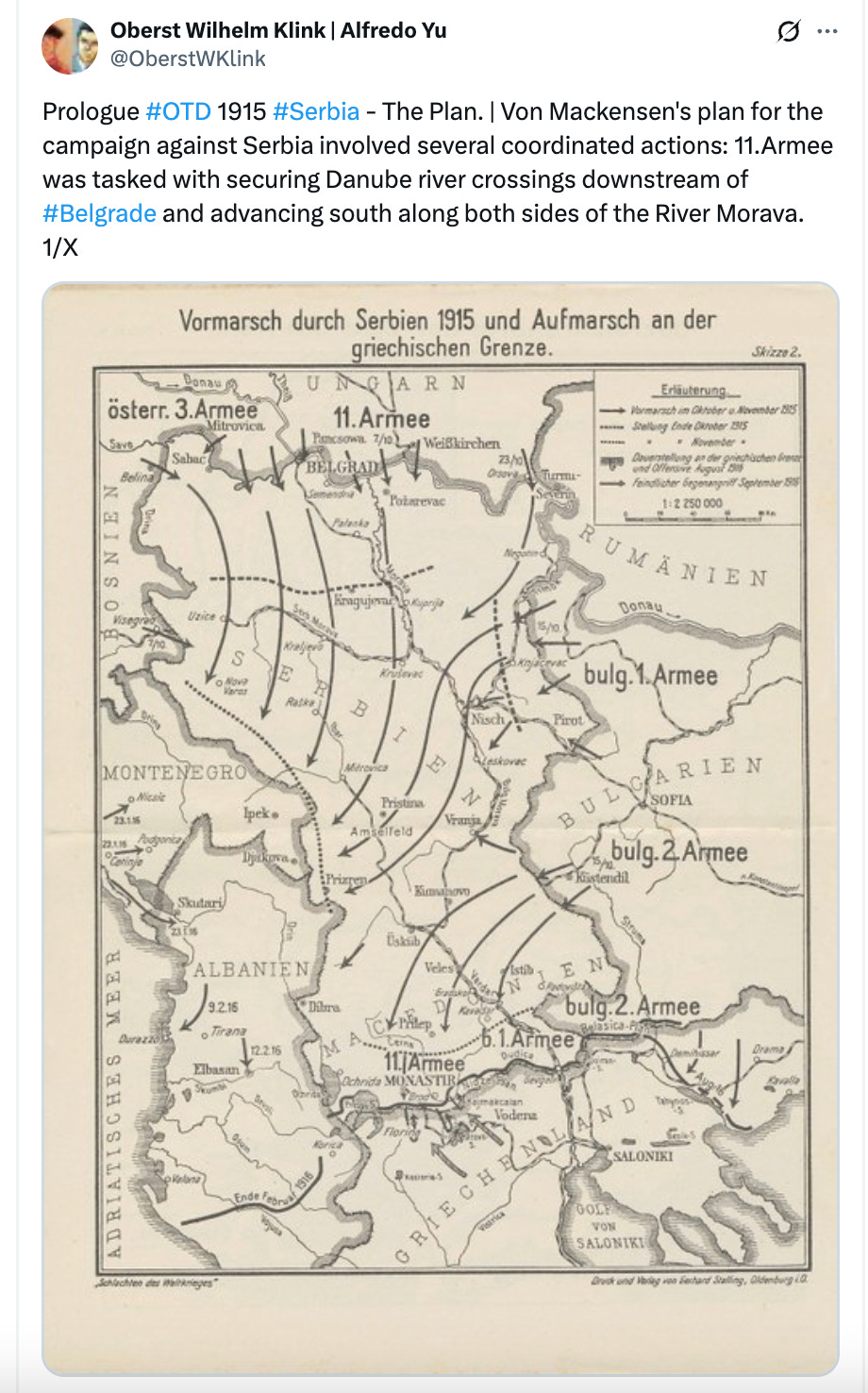
The intense back and forth on the Eastern front in 1914-1918 was the essential counterpart to the horrible slogging match in the West. Mackensen’s plan for the destruction of Serbia, where World War I began in 1914.
Filippo Tagliolini
If you’ve scrolled this far, you know you want to click: