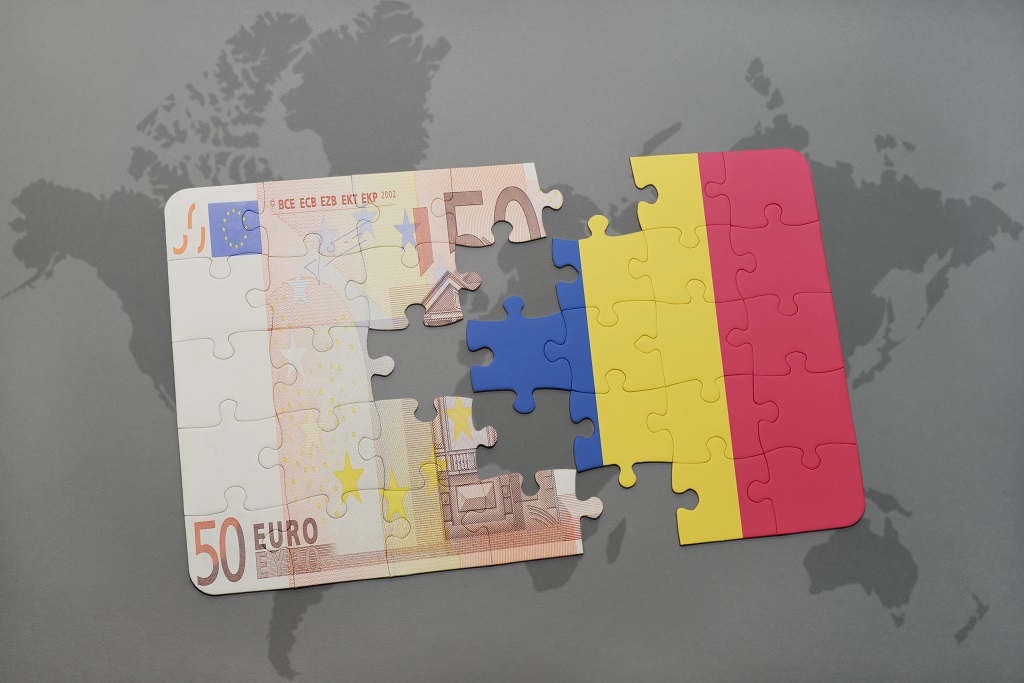
Romania remains one of the countries where cash continues to play an unusually prominent role in everyday transactions, even as digital and card-based payments grow worldwide.
According to a recent ranking of countries by the prevalence of cash transactions, Romania’s cash usage stands at around 20% of payments, placing it alongside economies such as Andorra, Bahrain, Brunei, the United Arab Emirates, Hong Kong, Monaco, the Netherlands and Singapore in global comparison, notes Economedia.ro.
The persistence of cash in Romania reflects broader trends across parts of Eastern and Southern Europe, where physical money is still widely accepted and used, in contrast to Northern and Western Europe where digital payments predominate.

How other countries pay
While much of Western and Northern Europe has moved rapidly toward cashless transactions, cash remains a dominant payment method in several regions. In the euro area, cash still accounted for about 39% of the value of all payments, but this varied widely across countries, from as low as 17% in the Netherlands to as high as 59% in Lithuania. Other countries with strong cash usage include Slovakia (56%), Slovenia (56%), Malta (54%) and Croatia (51%).
In contrast, many economies exhibit much lower reliance on physical money. For instance, in parts of Western and Northern Europe, such as Finland and Luxembourg, cash’s share falls below 30% of total payments.
This relative reliance on cash comes amid rapid digitalisation of payment infrastructure globally, including adoption of instant transfers, mobile wallets and contactless systems that have transformed consumer and business behaviour across many markets.
For Romania’s economy, the ongoing significance of cash has implications for financial inclusion, retail operations and the pace at which businesses adapt to digital payment ecosystems. While card and digital payments continue to grow in value across Europe, cash remains a resilient part of daily commerce in Romania, underscoring the complexity of the transition toward a more cashless society.