
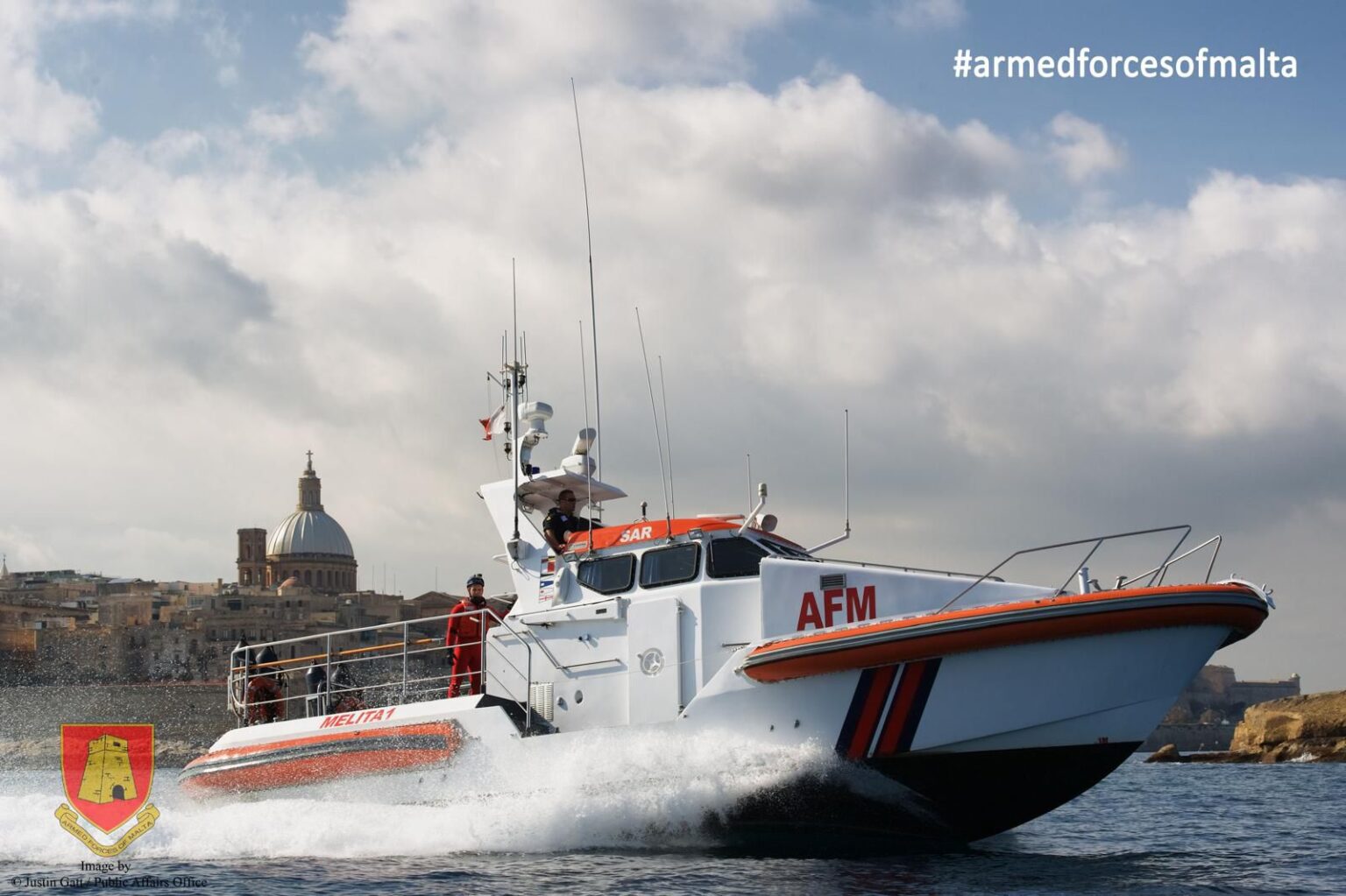
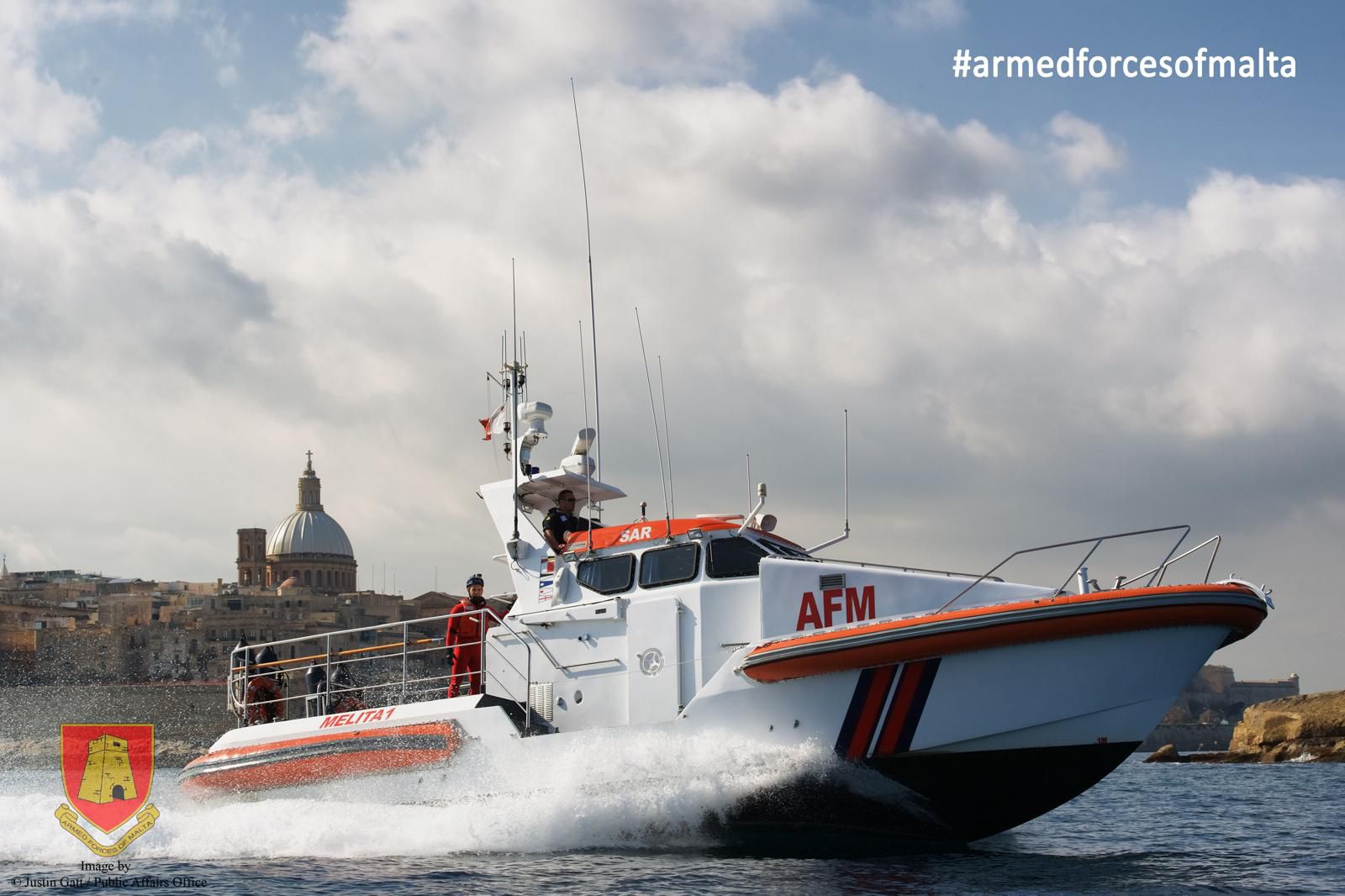
 Ritratt: AFM (Facebook)
The Maltese government’s record on maritime safety has reached a devastating new low, with the authorities responding to fewer than 1% of distress calls in the first half of 2025.
According to a Christmas Eve statement from the Malta Migration Archive, the current Labour administration has effectively abandoned its search and rescue (SAR) duties, opting instead for a policy of “wanton abdication.”
The updated figures document 242 distress cases involving more than 10,000 people, men, women and children, between January and June 2025. Maltese authorities responded to only two of these cases, representing what the Archive describes as a “wanton abdication of Malta’s duty to respond to people in distress in its SAR zone.”
The data reveals an alarming escalation in illegal pushbacks coordinated with Libyan forces. Malta allowed the so-called Libyan Coast Guard into its SAR zone at least 16 times during the first six months of 2025, comprising 6.65 of all cases.
This represents more than double the number of pushbacks recorded in the first half of 2024 and eight times the number documented in 2023.
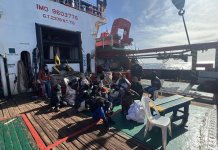
These 16 forced returns involved approximately 800 people sent back to what the Archive terms “unimaginable horrors” in Libya, where migrants and refugees face systematic violence including unlawful killings, torture, arbitrary detention, rape and other forms of sexual and gender-based violence, slavery and forced labour.
The Archive highlighted a particularly egregious case from 4th February 2025, when Alarm Phone received a distress call about 43 people only 32 nautical miles south of Malta. After losing contact with the boat, Alarm Phone attempted for two days to obtain information from Malta’s Rescue Coordination Centre but received no response. On 6 February, confirmation arrived that all 43 people had been intercepted by the so-called Libyan Coast Guard within Maltese waters and forcibly returned to a prison in Zuwara, Libya.
“Forced pushbacks to Libya from so far within Malta’s search and rescue zone are unprecedented and an alarming escalation of Malta’s unconscionable practices at sea,” the archive said.
The figures mark a deterioration even from the Archive’s initial dataset covering 2020 to 2024. When the Archive launched in June 2025, it revealed that Malta had rescued only 2 to 3 per cent of nearly 80,000 people in distress within its SAR zone over that five-year period, with Armed Forces Malta rescues plummeting by 90% whilst Libyan militia interceptions surged by 230%.
The latest data suggests this trend has accelerated dramatically. “For the authorities in Malta, avoiding and delaying rescue has become normal practice,” the Malta Migration Archive noted. “They have also refused to coordinate rescue with NGO and merchant vessels. These refusals are deadly: more people suffer and die at sea because of the Malta government’s actions and inactions.”
According to the International Organisation for Migration, more than 580 people died in the Central Mediterranean during the first half of 2025 alone. By year’s end, that figure had reached at least 1,190 deaths or disappearances.
The Archive emphasised that pushbacks to Libya are illegal under international law, with Malta’s responsibility to assist people in distress and ensure disembarkation at a place of safety being “incontrovertible.” The June 2025 discovery of mass graves in Libya further highlighted the grave human rights violations awaiting those forcibly returned.
Developed collaboratively by Maltese civil society groups including Aditus, Moviment Graffitti and the Coalition for the El Hiblu 3, alongside international organisations such as Alarm Phone and Sea-Watch, the Archive draws its data from the Civil Maritime Rescue Coordination Centre SARchive and the wider Civil Fleet.
The new 2025 data comes amid mounting evidence of Malta’s systematic non-assistance policy. The Archive provides six detailed case studies for the first quarter of 2025 to illustrate what it describes as “the realities of distress and pushbacks at sea.”
Malta’s controversial maritime coordination agreement with Libya, announced in 2020 and extended for three years in July 2024, remains shrouded in secrecy despite Prime Minister Robert Abela’s claims that it has “meant saving the lives of thousands of people.”
The Malta Migration Archive is publicly accessible at maltamigrationarchive.org.

