

A few months ago, the Hong Kong Government announced 30 measures aimed at reaping the economic rewards of the ageing population. Deputy Chief Secretary for Administration Warner Cheuk Wing-hing outlined five key areas his new working group would tackle: boosting consumption, developing industries tied to the silver economy, promoting quality assurance of “silver products”, enhancing financial arrangements for the demographic and unleashing the productivity of older residents.
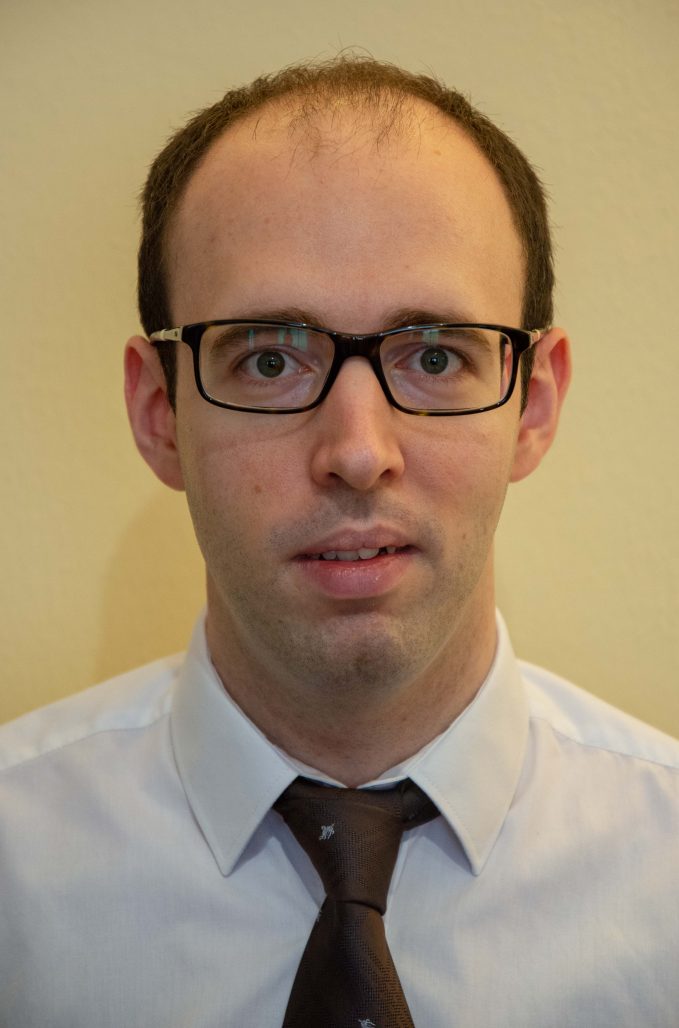 Oriol Caudevilla
Noting the elderly’s great consumption potential in areas including catering, personal hygiene and healthcare, the Government aims to boost silver consumption through various means, including exhibitions and retail concessions, electronic commerce, the Silver Summit, developing catering initiatives for the elderly, and protecting elderly consumers’ rights and interests. Another area is developing the silver industry
Mr Cheuk explained that the health and daily needs of the silver-haired group have led to a huge demand for products and services. Silver products including gerontechnology products have hence come into being.
A few months ago, the Hong Kong Government announced 30 measures aimed at reaping the economic rewards of the ageing population. Deputy Chief Secretary for Administration Warner Cheuk Wing-hing outlined five key areas his new working group would tackle: boosting consumption, developing industries tied to the silver economy, promoting quality assurance of “silver products”, enhancing financial arrangements for the demographic and unleashing the productivity of older residents.
The Deputy Chief Secretary added that the silver economy holds tremendous business opportunities. With the joint efforts of the Government and various sectors, the scale and industrial chain of the silver economy will expand, thereby enhancing seniors’ quality of life in all aspects, and increasing their sense of contentment and happiness.
As a matter of fact, the setting up of the Working Group on Promoting Silver Economy was announced by the Chief Executive in the 2024 Policy Address.
Tapping into the silver economy seems to be the right move right now to turn a circumstance that might be negative (an aged population) into something good, into an opportunity, thus helping Hong Kong’s economy grow even further
This seems indeed a right move, since Hong Kong stands at a demographic crossroads. As per statistics from the HK Government, by 2043, over one-third of its population, approximately 2.67 million people, will be aged 65 or above.
Answering a query at the Legislative Council a few weeks ago, Secretary for Commerce and Economic Development Algernon Yau Ying-wah said the proportion of elderly people out of the total population of Hong Kong will increase from about 23 percent in 2023 to around 35 percent in 2043.
“This significant demographic shift means that more than one-third of Hong Kong’s population will be elderly by then, highlighting a substantial market potential that cannot be overlooked,” he added.
This shift presents a challenge, but also a golden opportunity if addressed properly: the rise of the “silver economy.” Recognising this, the Hong Kong government has initiated a comprehensive strategy to harness the economic and social potential of its ageing population.
One of the most immediate benefits of this initiative lies in economic stimulation. Older adults in Hong Kong today are not the same as in previous generations. Many are active and financially secure. Their consumption patterns increasingly include not just basic needs but also travel, wellness, technology, and lifestyle products. Businesses that recognise and cater to this shift will tap into a rapidly expanding market. By incentivising companies to provide elderly-friendly products and services, and ensuring consumer protections are robust, Hong Kong can foster a more inclusive and resilient retail and service sector.
Additionally, labor market benefits are tangible and urgently needed. Hong Kong faces persistent labor shortages, particularly in critical sectors such as healthcare, construction, and hospitality. With many older individuals willing and able to continue working, the government’s focus on retraining and re-employment is both timely and pragmatic. Tapping into this experienced labor pool not only alleviates manpower gaps but also brings added value through the knowledge, discipline, and reliability that older workers often offer.

However, a pivotal component will be collaboration with the private sector. While the government can set the agenda and offer incentives, it is the business community that must ultimately deliver the products, services, and innovations needed to meet this demographic shift. Companies should not view this simply as a compliance issue, but rather as a growth opportunity. Leveraging new technologies, from smart home systems to telehealth and AI-powered eldercare, can revolutionise how we support ageing populations and generate impressive returns for early movers.
Hong Kong’s silver economy strategy also dovetails neatly with national goals, particularly the Greater Bay Area development plan. Aligning elderly product standards with those of the mainland and other international markets will help local firms scale their offerings and compete more effectively.
Indeed, the Bay Area has been called by some media “China’s Silicon Valley”, and not without reason. I could add countless data to support this affirmation, but it would be pointless for the purpose of my article. Suffice it to say that the GBA has the potential to bring more economic growth, new jobs and therefore prosperity to the region.
Why is the Bay Area project important for Hong Kong?
Hong Kong now is embracing opportunities from the Greater Bay Area development, and, by playing a proactive part in China’s 14th Five-Year Plan (2021-25), the HKSAR is unleashing its potential thanks to unreserved support from the central authorities for advancing key strategies to upgrade its “super-connector” role, including the digital yuan or eRMB (digital renminbi) and environmental, social and governance (ESG).
In addition to the huge role that the GBA will play in Hong Kong’s future, we can also mention other opportunities such as fintech development in Hong Kong, the HKSAR’s anticipated entry into the Regional Comprehensive Economic Partnership, and the Connect Schemes.
Leveraging new technologies, from smart home systems to telehealth and AI-powered eldercare, can revolutionise how we support ageing populations and generate impressive returns for early movers
And, in addition to that, Hong Kong tapping on its silver economy also seems to be another way to embrace new opportunities arising from Hong Kong’s belonging in the GBA.
To sum up, In the same way that I have also mentioned in some other articles that AI offers many opportunities to Hong Kong´s labor market despite its risks and challenges since AI can create thousands of new roles in Hong Kong these coming years, largely in data analysis, AI system design, machine learning operations, and digital customer interaction, the silver economy can also create new opportunities for Hong Kong’s labor market. At a different level perhaps, but also very important, nonetheless.
Hong Kong has the ability not only to maintain its role as one of the world´s most important financial centres but to enhance it. Tapping into the silver economy seems to be the right move right now to turn a circumstance that might be negative (an aged population) into something good, into an opportunity, thus helping Hong Kong’s economy grow even further. As an old Chinese proverb says, “”The best time to plant a tree was 20 years ago. The second-best time is now.” Hong Kong can certainly become a global model for how societies turn silver into gold.
*The author is an influential voice in the FinTech area, having advised many FinTech companies and with a very extensive network across the globe. He holds an MBA and a doctorate in Hong Kong real estate law and economics. He is also a well-known international speaker on the areas of Central Bank Digital Currencies and Blockchain.