
Published on
December 30, 2025

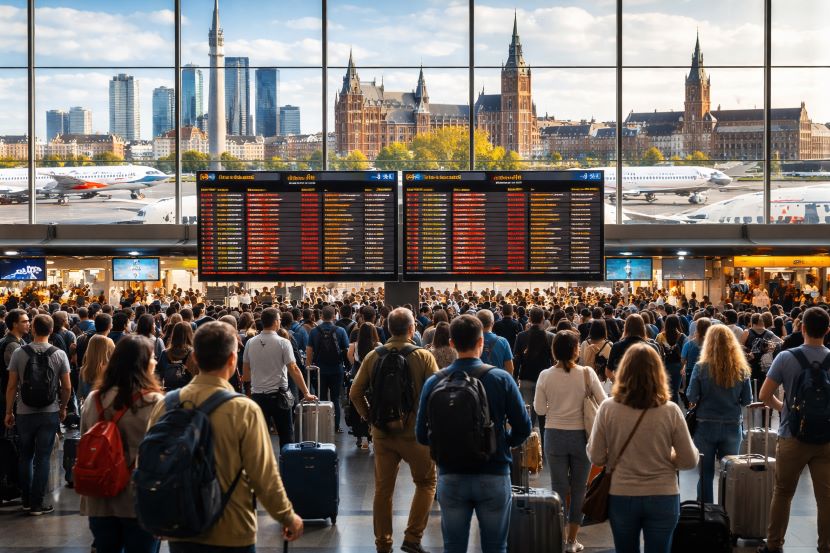
Germany, the Netherlands, Belgium, Finland, Denmark, Italy, and Turkey are facing significant travel disruptions as major European airports such as Frankfurt International, Amsterdam Schiphol, and Copenhagen experience severe delays and cancellations. A total of 724 flights have been delayed and 11 flights cancelled, affecting a wide range of travelers across these countries. Passengers flying with major carriers like British Airways, Brussels Airlines, easyJet, and others are among those impacted, with cancellations stretching from Milan to Helsinki. The ripple effect of these disruptions is being felt throughout Europe, as airports struggle to manage the high volume of affected flights, leading to long waits and uncertainty for many travelers. With the holiday season in full swing, this disruption is causing considerable frustration and forcing passengers to adjust their travel plans.

Cancellations and Delays by Airports
Frankfurt International Airport (FRA), one of Europe’s busiest transport hubs, has reported a total of 2 cancellations, while 174 flights have faced delays. As a central point for connecting flights across Europe, the delays have had a significant impact on passengers traveling to and from destinations within and outside of Germany.
Amsterdam Schiphol (AMS), another prominent European airport, travelers have seen 3 cancellations and 147 delayed flights. Schiphol has long been a major hub for international travel, and these disruptions could lead to further congestion as passengers attempt to reschedule or find alternative routes.
Brussels Airport (BRU), a key point of entry for international visitors to Belgium, is also facing operational challenges. The airport reported 2 cancellations, along with 95 delayed flights. These delays have created confusion and frustration for passengers, many of whom are trying to reach their holiday destinations.
Helsinki-Vantaa Airport (HEL), the largest airport in Finland, has been affected by 1 cancellation and 108 delayed flights. While Finland remains one of the more stable travel destinations in Europe, its connectivity is suffering, impacting both short-haul and long-haul routes.
Copenhagen Airport (CPH) has also reported disruptions, with 1 cancellation and 88 delayed flights. Denmark’s capital airport, a significant hub for travelers heading to Scandinavia, has seen a relatively lower number of cancellations, but the delays continue to affect passengers on both domestic and international routes.
Milan Malpensa International Airport (MXP), 1 flight has been canceled, and 112 flights have been delayed. As one of Italy’s largest international airports, Malpensa’s capacity to accommodate large volumes of traffic is stretched as the delays continue to impact travelers’ schedules.
Istanbul Sabiha Gokcen International Airport (SAW) has also been impacted, with 1 cancellation, though no flights were delayed. Despite fewer disruptions in terms of delays, the cancellation still leaves many passengers stranded and searching for alternatives.
Some affected airlines due to this Cancellation
Air France
Air France has reported minimal disruptions, with only 2 flights delayed. While there were no cancellations, the delays may still impact travelers’ schedules, particularly for those connecting to other international destinations.
British Airways
British Airways, one of the UK’s leading carriers, has reported minimal disruptions today, with only 1 flight delayed. Unlike many other European airports, the airline has managed to maintain a smooth operation, ensuring that most travelers can continue their journey without significant delays.
Brussels Airlines
Brussels Airlines, Belgium’s flagship carrier, has reported minimal disruptions with only 2 delayed flights and no cancellations. While the number of delays is relatively low, passengers are advised to stay updated on flight statuses, as delays can still affect travel plans.
Croatia Airlines
Croatia Airlines has experienced minimal disruption in its operations, with only one flight delayed. This limited impact comes as a relief for travelers flying in and out of Croatia, especially during peak travel seasons.
easyJet
easyJet, one of Europe’s leading low-cost carriers, has reported minimal disruptions to its flight schedule, with only 4 flights delayed. Despite this, the airline’s operational efficiency has allowed passengers to continue their travels with relatively few interruptions.
Overview of Cancellation
Travelers across Europe are facing significant flight disruptions, with both airports and airlines reporting a mix of cancellations and delays. This has left many passengers adjusting their travel plans, especially during peak travel seasons. The following table provides a comprehensive overview of the current flight disruptions at key European airports, as well as data for major airlines affected by cancellations and delays.
The table above clearly indicates the level of disruption at each airport and airline. Frankfurt International Airport (FRA) and Amsterdam Schiphol (AMS) have experienced the highest number of delayed flights, with 142 and 117 delays, respectively. Airlines such as Air France, British Airways, and Brussels Airlines have reported relatively low levels of cancellations, but delays continue to affect passengers, especially at larger hubs like Frankfurt and Amsterdam.
Airline Cancellations and Delays
Advice for Passengers
Flight cancellations and delays, like those happening across major European airports, can be a frustrating experience for any traveler. However, there are steps passengers can take to navigate these disruptions and minimize stress. Here’s some valuable advice for passengers facing such challenges:
1. Stay Informed and Monitor Flight Status
The first step for any traveler dealing with a delayed or cancelled flight is to stay informed. Regularly check the status of your flight on the airline’s website, mobile app, or airport display boards. Most airlines offer real-time updates, so staying connected will allow you to adapt quickly to any changes. Many airports also provide mobile apps to keep you updated on gate changes or delays.
2. Contact Your Airline
Once you’re aware of your flight’s status, reach out to your airline as soon as possible. Airlines often prioritize customers in long lines, so calling ahead or using online chat services can save you time. In the case of cancellations, airlines typically offer rebooking options, so it’s a good idea to secure the next available flight as soon as you can.
4. Plan for Extra Time at the Airport
Due to delays or cancellations, security lines and check-in counters can become congested. Arriving earlier than usual is always a good idea, especially if you need to make changes to your travel plans. Use this extra time to double-check any connections, explore nearby lounges for a more comfortable wait, or simply relax while monitoring updates.
6. Pack Essentials in Your Carry-On
In case of long delays or overnight cancellations, it’s wise to pack a small bag with essential items like toiletries, medication, chargers, snacks, and any necessary documentation. Having these items on hand will make waiting at the airport more manageable and will save you time if you have to quickly move to another gate or rebook your flight.
7. Stay Calm and Patient
Travel disruptions are often unavoidable, and while it’s understandable to feel frustrated, staying calm and patient can make the process easier. Keep a positive attitude, and remember that airport staff are doing their best to assist all passengers. By staying calm, you’ll make better decisions and handle the situation more efficiently.
What Travelers Can Do1. Check for Alternative Flights
The first step after a cancellation is to look for alternative flights. Many airlines provide rebooking options at no additional cost if your flight is cancelled. You can check availability on the airline’s website or speak with an agent at the airport. Consider nearby airports or connecting flights if your original destination is not immediately available.
2. Request a Refund or Compensation
If you’re not able to secure an alternative flight or if the delay is particularly long, you may be entitled to a refund or compensation. Under European Union regulations (EC261/2004), passengers are often entitled to compensation if their flight is cancelled within a certain timeframe, especially if the airline is at fault. Make sure to ask the airline about your options for a refund or compensation.
3. Use Airline Customer Service
Airlines typically offer customer service at the airport, on their websites, and through mobile apps. Reach out to airline staff at the customer service desk or use online tools to rebook your flight or make necessary changes. Be polite but firm when discussing your options, as customer service agents are often dealing with many travelers at the same time.
4. Look for Hotel and Accommodation Options
In cases where the next available flight is several hours or even days away, airlines are often required to provide accommodation for stranded passengers. If not, it’s advisable to book a hotel room. Many airports offer transit hotels, but you can also find nearby accommodation by using hotel booking apps or websites. Ensure you have the necessary documentation if you need to claim reimbursement for accommodation.
5. Stay Updated on Flight Status
Make sure to stay informed by regularly checking the status of your new flight. Airport monitors, airline apps, and official websites provide real-time updates about delays or cancellations. Keeping an eye on any changes will ensure you don’t miss your next flight or opportunity for rebooking.
Conclusion
As the situation continues to unfold, affected passengers are urged to stay updated on flight statuses and rebook their travel through airline customer service. While the disruptions are widespread, airlines are working hard to mitigate delays and find alternative solutions for stranded passengers. Travelers are advised to check for compensation or rebooking options under their respective airline policies. Patience and flexibility are essential as passengers navigate through these challenges. Ultimately, staying informed and prepared will help ensure a smoother journey despite these ongoing disruptions across Europe.
Source:- FlightAware and Different Airports