
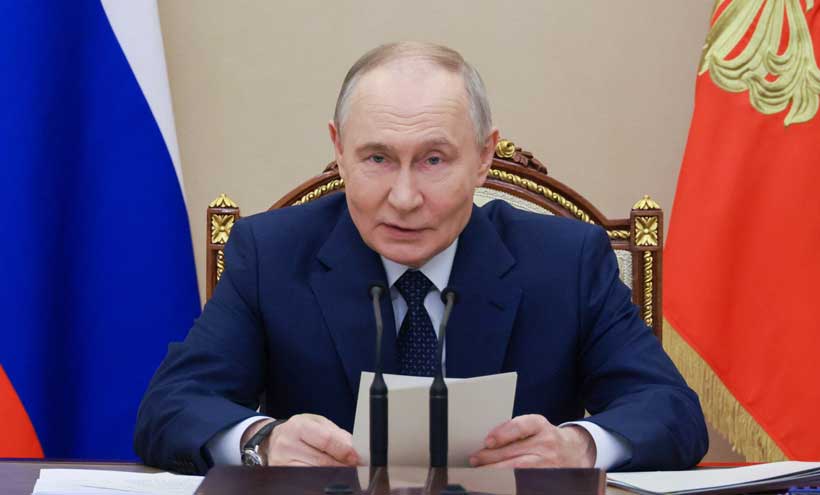
Russia’s top general said on Wednesday that President Vladimir Putin has ordered an expansion of what Moscow calls a buffer zone in northeastern Ukraine in 2026. Chief of the General Staff Valery Gerasimov said Russian forces were advancing in Ukraine’s Sumy and Kharkiv regions near the Russian border.
Gerasimov said he inspected the “North” troop grouping, which was formed in early 2024 and has been operating along the northeastern front. Moscow says the unit aims to push Ukrainian forces away from the border and create conditions for further advances.
Key stakeholders include Russia’s military and political leadership, which is directing the buffer zone strategy, and Ukraine’s government and armed forces, which control and defend the affected regions.
Civilians in Sumy and Kharkiv are also directly impacted, as fighting near border areas raises risks of displacement and infrastructure damage. International actors involved in diplomatic efforts to end the war are additional stakeholders, as the move could affect peace talks.
Positions and Reactions
Putin has repeatedly described the buffer zone as necessary to protect Russian border regions such as Belgorod and Kursk from shelling and drone attacks. Russia has also linked recent military actions to alleged threats against Putin, claims Ukraine has denied.
Kyiv has rejected the buffer zone concept, saying Russia is using it to justify deeper incursions into Ukrainian territory. President Volodymyr Zelenskiy has called Moscow’s plans for Sumy and Kharkiv “mad” and vowed they will be resisted.
Why It Matters
The announcement signals Russia’s intention to sustain and potentially expand military operations in northeastern Ukraine well into 2026, despite ongoing international efforts to seek a negotiated settlement.
An expanded buffer zone could harden front lines, complicate peace talks and increase humanitarian pressures in already contested regions.
What’s Next
Ukraine has yet to formally respond to Gerasimov’s remarks, but fighting in the border regions is expected to continue. The development may draw renewed attention from Western allies monitoring Russia’s long-term military plans and their implications for regional security.
With information from Reuters.