

Save
All it takes is a few rays for the terraces to fill up, the parks to grow denser and the city to suddenly feel optimistic. There’s nothing exaggerated about this collective reaction, which reflects a well-documented climatic reality.
Belgium enjoys an average of 1,550 to 1,580 hours of sunshine a year, according to long-term climatological data. In Brussels, the annual average is around 1,550 hours, or just over four hours of sunshine a day. On a European scale, this puts the country at the lower end of the rankings, alongside the Netherlands, northern France and the UK, and far behind the southern countries.
The differences are striking. Where Belgium struggles to reach 1,600 hours a year, Spain regularly exceeds 2,500 hours, and Egypt tops 3,700 hours of sunshine a year. In Europe, only a few territories are even greyer than us: Ireland, the United Kingdom, Iceland and the Faroe Islands.
Unevenly distributed sunshine… and highly seasonal
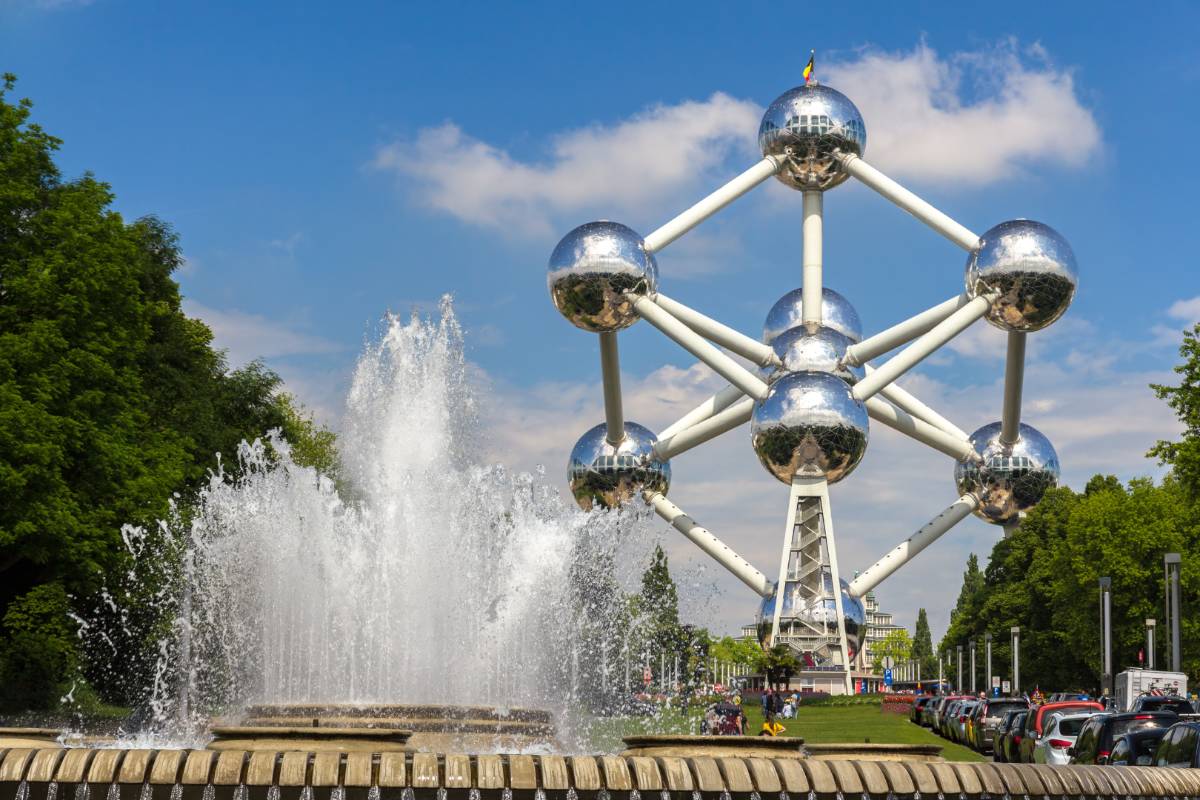 Belgian sunshine is concentrated over a relatively short period. Winter is particularly poor in light, with months when the sun is absent for long weeks at a time. Conversely, late spring and early summer concentrate most of the bright days, creating a sensation of intensity.
Not all regions are in the same boat. The Belgian coast generally enjoys more favorable conditions, while Brussels is on a par with the national average. Higher, wooded areas such as the Ardennes, on the other hand, experience more frequent overcast skies.
Why the sun is almost sacred in Belgium
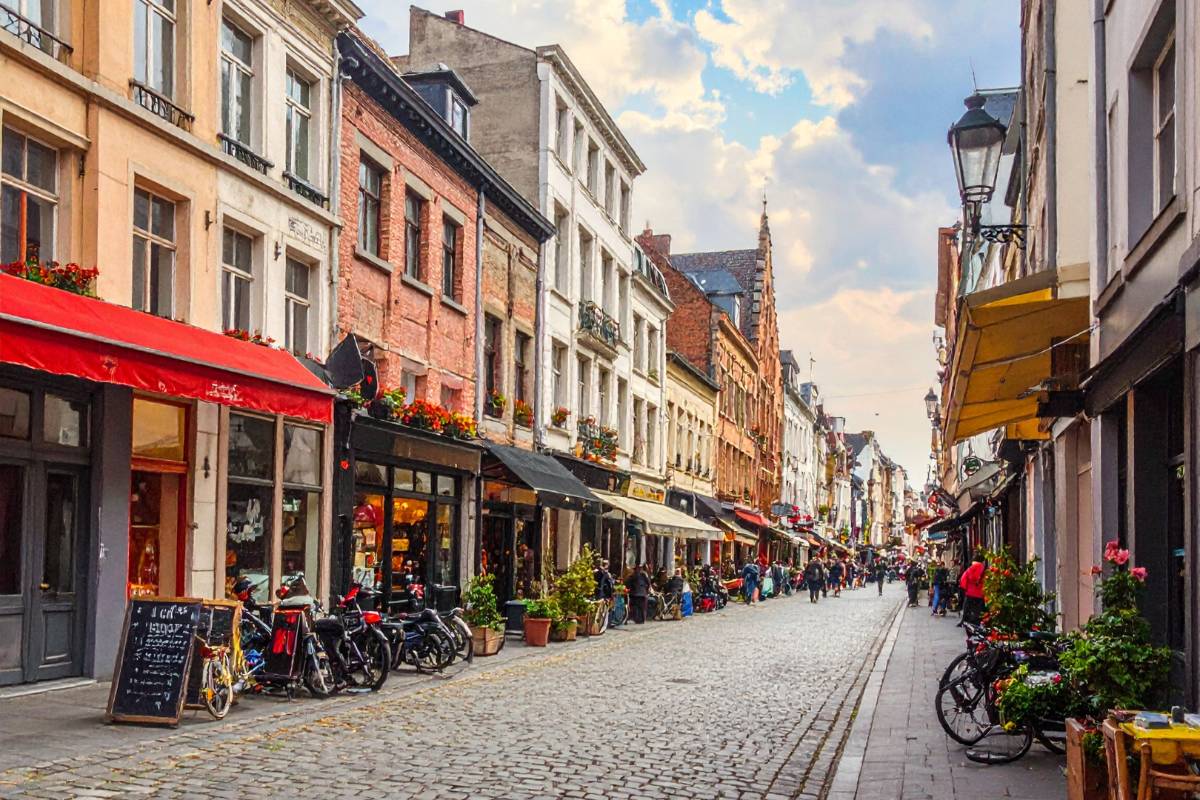 In a country where light is scarce, the sun takes on a special value. It influences our moods, our pace of life and our use of public space. Every sunny day becomes a collective interlude, fully exploited.
Because in Belgium, sunshine is never banal. It’s expected, celebrated… and always disappears a little too quickly.