
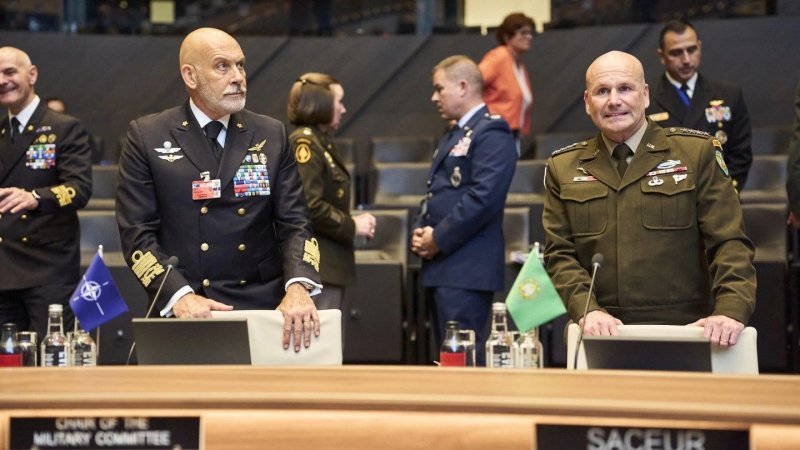
NATO has been adjusting its military posture in response to Russia’s evolving nuclear strategy, reinforcing its eastern flank and raising the readiness of forces in countries like Poland and the Baltic states, News.az“>News.Az reports, citing Defence24. Since the end of the Cold War, nuclear weapons have remained central to Moscow’s strategic thinking, and recent developments highlight how nuclear deterrence shapes the broader security landscape in Europe.
According to analysts, Russia’s nuclear posture — including strategic messaging and missile deployments — has influenced NATO’s decision-making on defence planning and alliance cohesion. In 2022, NATO formally identified Russia as its main threat in its new Strategic Concept, enabling structural adjustments to meet long-term competition and affirm cohesion among member states.
The Alliance’s response has two key elements: strengthening conventional and nuclear deterrence in forward-deployed areas while avoiding direct engagement that could trigger wider escalation. These measures reflect the delicate balance between deterring potential aggression and managing the risk of nuclear escalation in an increasingly tense geopolitical environment.