
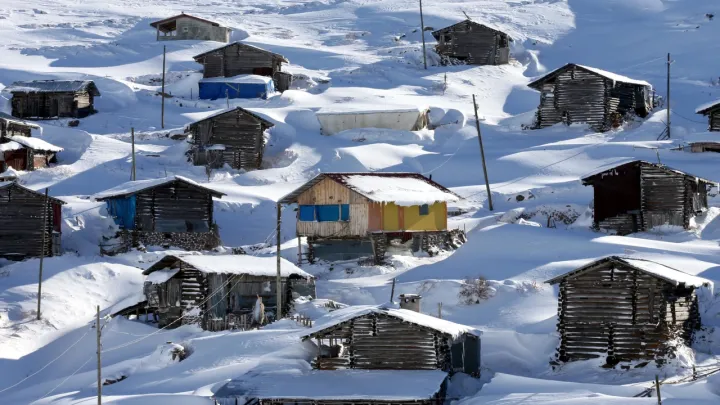
When the first thick flakes began to fall as Türkiye stepped into the opening hours of 2026, they did so gently, almost cautiously, as if testing how a tired country might receive them. Within hours, the landscape was transformed. Busy streets slowed to a hush, rooftops disappeared beneath a soft white cover, and the familiar rhythm of daily life softened into something calmer, more reflective.
For many, the snowfall felt symbolic — not merely a change in weather, but a moment of collective breathing space. After months of relentless headlines, personal struggles and constant motion, winter offered a rare pause. The cold air sharpened the senses, while the snow seemed to blur the sharp edges of worry.
In residential neighbourhoods, the scene was quietly intimate. Parents watched from balconies as children laughed freely, their joy echoing between buildings. The smell of soup drifted from kitchens, and windows glowed warmly against the early darkness. Conversations slowed, phones were put down, and people allowed themselves to linger in the moment.
“The snow brings us closer to each other,” said Ayse, a mother of two, from Ordu, one of the coastal cities of the Black Sea. “When everything turns white, you feel a sense of equality — rich or poor, young or old, we all look at the same sky.”
For the year ahead, her wishes were simple but deeply felt. “I hope for a year filled with health, patience and compassion. I want my children to grow up in a world where people listen to each other more, where kindness is not seen as weakness. The snow reminds me that life can still be gentle.”
Across town, university campuses reflected a similar mood. Lecture halls emptied earlier than usual as students drifted outside, some taking photographs, others simply standing in silence. The pressure of exams and future plans momentarily gave way to something more grounding.