
Published on
January 2, 2026
In a move to further boost its tourism industry, South Korea has announced the extension of its group visa fee waiver for tourists from six Asian countries: Cambodia, China, India, Indonesia, the Philippines, and Vietnam. The waiver, which applies to group visa applications, is part of South Korea’s broader strategy to attract more visitors from the region and enhance its tourism growth in 2025 and beyond.
This extension of the visa fee waiver is expected to play a significant role in boosting South Korea’s tourism sector, as it reduces the cost barrier for group travelers, making it easier and more affordable for larger groups of tourists from these countries to visit the country. South Korea, known for its rich cultural heritage, advanced technology, scenic beauty, and vibrant cities like Seoul, Incheon, and Busan, has long been a popular destination for travelers across Asia. This move will likely increase South Korea’s appeal as a travel destination among regional visitors, particularly in key markets such as China, India, and Southeast Asia.
Expanding South Korea’s Appeal to Asian Travelers
The decision to extend the visa fee waiver comes as South Korea seeks to capitalize on the growing demand for travel from Southeast Asia and other parts of Asia. Tourists from countries like Cambodia, China, India, Indonesia, the Philippines, and Vietnam are increasingly seeking international travel experiences, and South Korea, with its mix of modern amenities and historical landmarks, has positioned itself as an ideal destination for group tourism.
As part of this initiative, South Korea has focused on simplifying the visa application process, particularly for group travel. Group visas allow large parties to apply for visas collectively, reducing the time and effort required for individual applications. With the added benefit of the fee waiver, South Korea aims to attract more tourists from the target countries and make the process as seamless and cost-effective as possible.
Key Tourist Attractions in South Korea
South Korea offers a wide range of attractions for tourists, making it a popular destination for groups seeking a diverse and immersive travel experience. From historical landmarks and cultural sites to modern shopping districts and beautiful natural landscapes, there is something for every type of traveler.
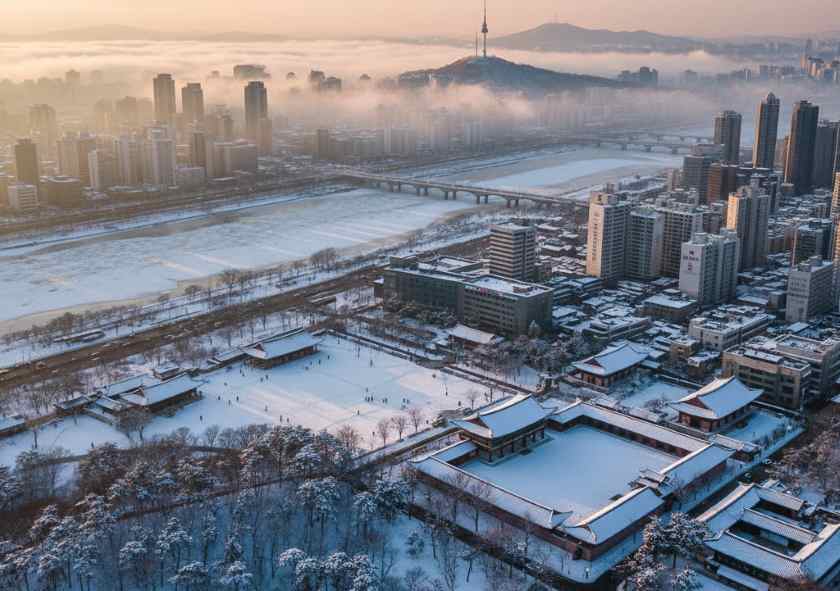
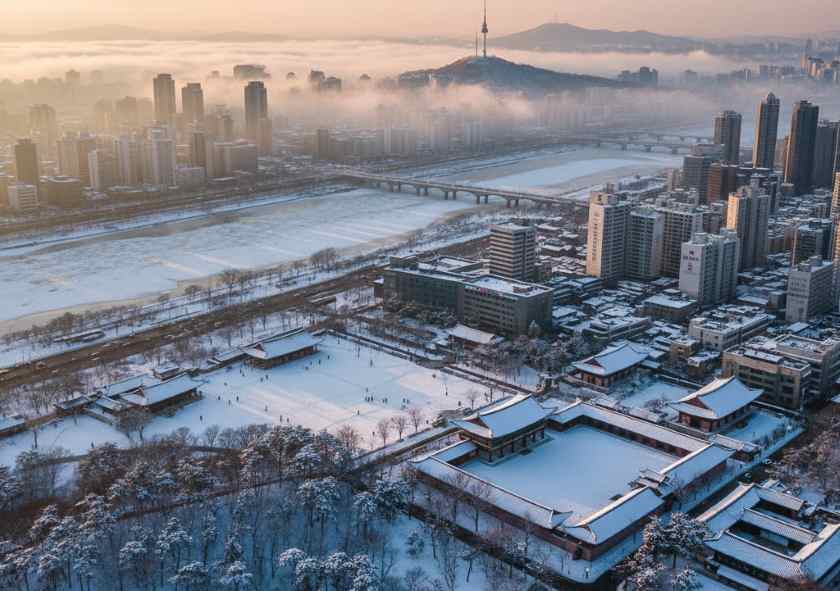
Seoul, the capital city, is one of the most vibrant and dynamic cities in Asia, offering everything from high-end shopping malls like Myeongdong and Gangnam to ancient sites such as Gyeongbokgung Palace and Bukchon Hanok Village. Visitors can explore the juxtaposition of traditional and contemporary architecture, as well as experience the bustling nightlife and thriving food scene, with street food, traditional markets, and Michelin-starred restaurants.
Incheon, known for its international airport, is also a key gateway to South Korea for foreign tourists. The city offers a mix of modern urban development and cultural landmarks, such as Chinatown and the Songdo International Business District. Busan, on the southern coast, is known for its stunning beaches, including Haeundae Beach, and its popular attractions like Jagalchi Fish Market and Gamcheon Culture Village.
For nature lovers, South Korea boasts a number of scenic hiking trails, especially in areas like Seoraksan National Park and Jeju Island, a UNESCO World Heritage site famous for its volcanic landscapes, waterfalls, and pristine beaches. The country’s rich cultural festivals, such as the Boryeong Mud Festival and Seoul Lantern Festival, also draw tourists seeking unique experiences.
The Impact of the Group Visa Fee Waiver on Tourism
The extended group visa fee waiver for Cambodia, China, India, Indonesia, the Philippines, and Vietnam aims to make South Korea more accessible to travelers from these countries. Group travel is especially popular in countries like China and India, where organized group tours are a common way to travel abroad. By waiving visa fees for group applications, South Korea is making it easier for travel agencies to organize group tours to the country.
For Southeast Asian countries like Cambodia, Indonesia, the Philippines, and Vietnam, this visa waiver will help promote group travel packages that can cater to the growing middle class in these regions. The move could encourage group travel to South Korea, especially among families, students, and corporate groups seeking cultural, leisure, or educational trips.
The waiver is also expected to have a positive impact on local businesses in South Korea, including hotels, restaurants, transportation providers, and tour operators. As more tourists visit the country, the demand for services such as accommodation, guided tours, and dining experiences will increase, further driving South Korea’s economic recovery in the post-pandemic era.
Enhancing South Korea’s Competitive Edge in Asian Tourism
South Korea’s strategic efforts to extend the group visa fee waiver also align with broader efforts to remain competitive in the ever-growing Asian tourism market. Countries like Japan, Thailand, and Singapore are also popular among Asian tourists, and South Korea’s ability to offer cost-effective and streamlined travel options is crucial to maintaining its position as a top destination in the region.
By offering incentives like the visa fee waiver, South Korea aims to capitalize on the increasing travel demand in Asia and attract more visitors. Additionally, with the tourism industry showing signs of recovery, South Korea is likely to see an influx of travelers from the target countries, bolstering both the tourism industry and the broader economy.
Looking Ahead: Future of Tourism in South Korea
As the group visa fee waiver continues through 2025 and beyond, South Korea will likely see a steady increase in the number of visitors from its neighboring Asian countries. This initiative, combined with ongoing efforts to modernize the travel experience and expand the country’s global appeal, is expected to strengthen South Korea’s tourism sector in the years ahead.
The continued focus on easing visa procedures, along with the country’s rich cultural offerings, natural beauty, and modern amenities, will continue to attract international tourists from across Asia. Whether for leisure, education, business, or cultural exploration, South Korea is positioning itself as a top choice for Asian travelers seeking an enriching and diverse travel experience.
Conclusion
South Korea’s decision to extend the group visa fee waiver for tourists from Cambodia, China, India, Indonesia, the Philippines, and Vietnam represents a significant effort to boost tourism from these key Asian markets. With simplified visa procedures and cost-saving measures, the country is poised to attract even more visitors, making it a more accessible and appealing destination for group travelers. This initiative will support the growth of South Korea’s tourism sector, benefiting local businesses and strengthening the country’s position as a leading tourism hub in Asia.
