
Published on
January 2, 2026
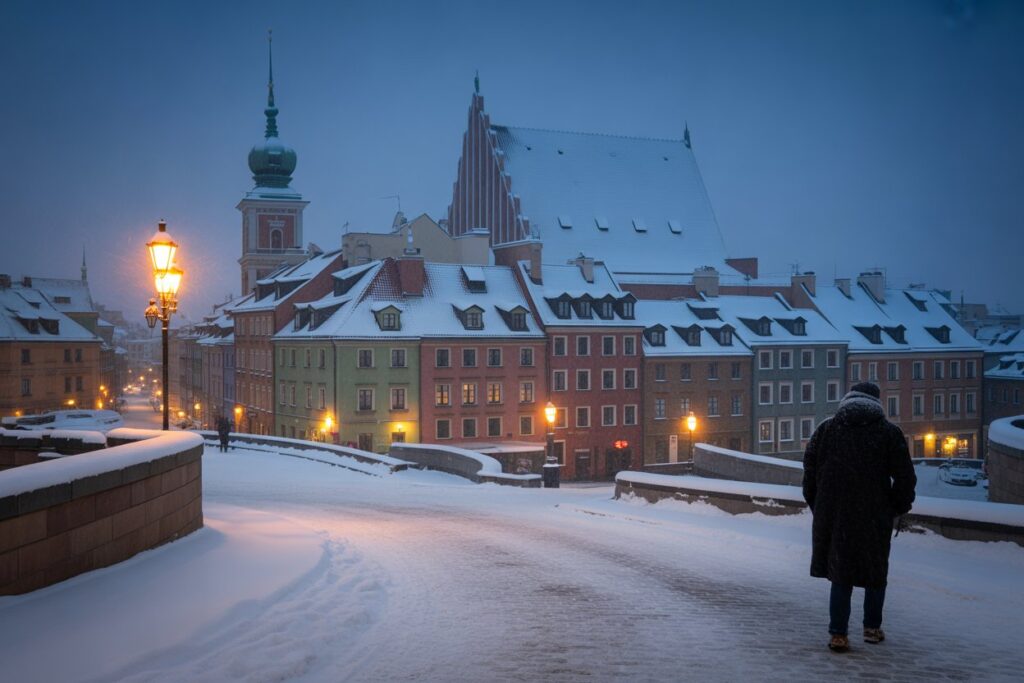
For the residents of Poland, the first week of 2026 has been defined by a single color: white. What began as a picturesque snowfall quickly transformed into a national emergency as a powerful low-pressure system stalled over the country, dumping record amounts of snow across the Masovian plains, the Silesian highlands, and the southern mountain ranges.
From the bustling streets of Warsaw to the historic squares of Kraków, the message from authorities has been consistent: Stay indoors if possible.
The Scale of the Paralysis
The storm didn’t just bring snow; it brought a complete halt to the rhythmic pulse of Polish life. By the morning of January 2, 2026, several regions reported snow depths exceeding 40 centimeters in urban areas, with drifts in the Tatra Mountains reaching nearly two meters.
Transportation at a Standstill The most immediate impact was felt on the roads. The A1 and A2 motorways, the country’s primary transit arteries, saw multi-kilometer tailbacks as jackknifed lorries blocked lanes. General Directorate for National Roads and Motorways (GDDKiA) deployed over 1,000 snowplows, but the rate of snowfall simply outpaced the ability to clear it.
At Warsaw Chopin Airport and John Paul II International Airport Kraków-Balice, hundreds of flights were grounded. Passengers found themselves camping on terminal floors, a stark reminder that even in the age of advanced aviation, nature still holds the final say.
Power Grids Under Pressure The heavy, wet nature of the snow—often referred to as “cement snow”—proved disastrous for the electrical grid. As the weight pulled down power lines and snapped frozen tree branches onto transformers, over 100,000 households were left without electricity. In rural areas of Podlaskie and Lubelskie, temperatures plummeted to -15°C, turning the lack of power into a life-threatening situation for the elderly and vulnerable.
The Human Element: Resilience Amidst the Frost
Behind the statistics of “tons of snow moved” and “kilometers of blocked roads” are the human stories that define a crisis. In Warsaw, volunteers took to the streets on foot, delivering hot tea and blankets to homeless individuals and those stranded in their vehicles.
There is a unique kind of silence that descends on a city paralyzed by snow. In Kraków’s Main Market Square, the usual clip-clop of horse-drawn carriages was replaced by the muffled scraping of shovels. Neighbors who rarely speak were seen helping each other dig out cars, proving that while snow isolates us physically, it often brings us closer socially.
Economic Chill: The Cost of the Storm
Economists are already beginning to tally the cost of this weather event. With logistics hubs blocked, the delivery of “just-in-time” goods has been delayed across Central Europe. Retailers have seen a sharp dip in foot traffic, though online delivery services—struggling as they are—have seen a surge in demand for essentials.
Furthermore, the winter sports hubs like Zakopane, while usually welcoming of snow, have had to issue “Black Level” avalanche warnings, effectively closing the very slopes that drive their local economy.
Looking Ahead: The IMGW Forecast
The Institute of Meteorology and Water Management (IMGW) has maintained Level 2 and Level 3 warnings for much of the country. Meteorologists warn that a “flash freeze” is expected to follow the snow, turning slushy roads into lethal skating rinks.
For those traveling to or through Poland in the coming days, the advice is clear:
- Check PKP Intercity Updates: Trains are running with significant delays; some regional lines are suspended.
- Emergency Kits: If you must drive, ensure your car is equipped with blankets, a shovel, extra fuel, and a power bank.
- Monitor Local News: Stay tuned to RSO (Regional Warning System) notifications on your mobile devices.
Final Thoughts
The 2026 snowstorm is a reminder of our vulnerability to the elements. As Poland digs itself out, the focus shifts from emergency response to long-term recovery. This event will undoubtedly spark further debate on urban planning and how European cities must adapt to increasingly volatile winter patterns.
For now, Poland remains a landscape of quiet, frozen beauty, waiting for the thaw while its citizens show the world the true meaning of “Polish grit.”
