
Published on
January 2, 2026
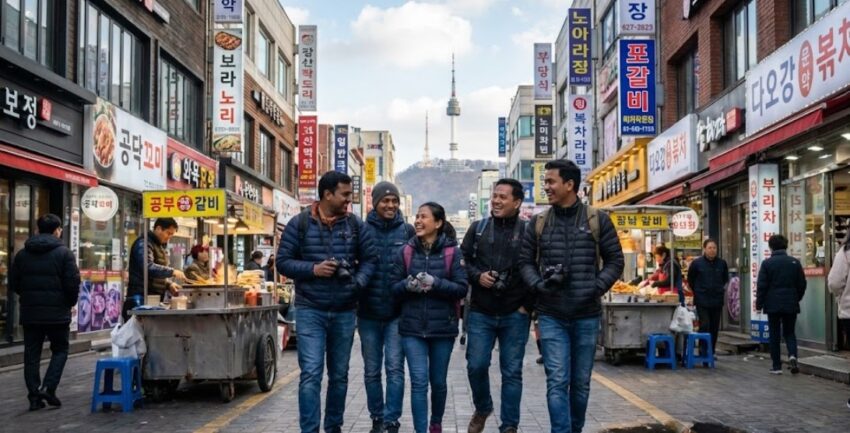
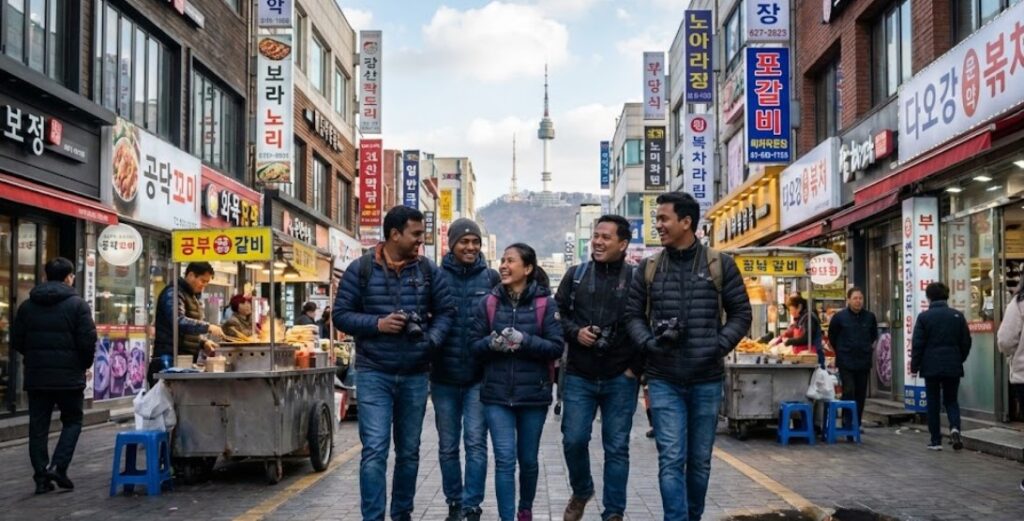
In a bid to maintain the momentum of inbound tourism, South Korea has announced that it will extend its visa fee waiver for group tourists from six countries, including India, China, Vietnam, the Philippines, Indonesia, and Cambodia can now come visa-free. This extension applies to C-3-2 visas and will continue until the end of June 2026, as stated by South Korea’s Finance Minister Koo Yun-cheol. The waiver was originally set to expire in early 2026 but has been extended for an additional six months in response to the growing demand for tourism. In 2025, South Korea welcomed around 17.42 million foreign tourists, marking a 15.4% increase compared to the previous year and surpassing pre-pandemic levels. The visa fee waiver for group tourists from China, India, Vietnam, The Philippines, Indonesia, and Cambodia is expected to significantly boost these numbers. With pent-up demand for international travel, the extension of the fee exemption is projected to add between 180,000 and 230,000 additional visitors annually, further accelerating South Korea’s tourism recovery and positioning the country as a leading destination in the region.
1. China: The Largest Source of Visitors
Current Visitor Numbers:
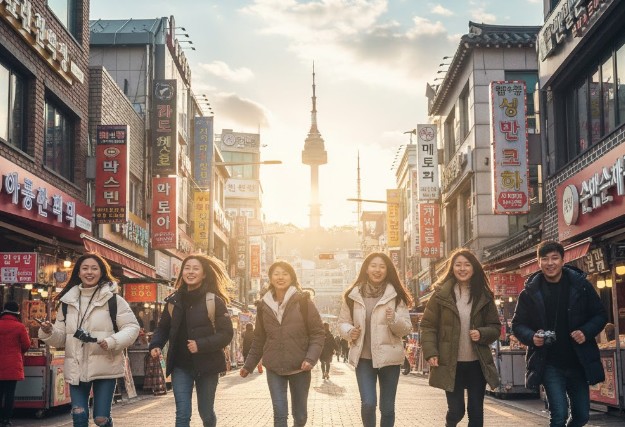
- China remains the largest source of international tourists to South Korea. In recent years, China has consistently ranked as the top contributor, with approximately 378,000 arrivals in November 2025 alone. This represents a recovery to 75% of the pre-pandemic levels.
Potential Impact of the Visa Fee Waiver:
- The extension of the visa fee exemption for Chinese group tourists will likely lead to a further surge in visitors. With the easing of restrictions and the visa fee waiver, it is expected that Chinese visitor numbers could return to pre-pandemic levels and even surpass them.
- An estimated 15-20% increase in visitor numbers could be expected, potentially adding 100,000 to 120,000 additional Chinese tourists in the upcoming year.
2. India: A Growing Source of Tourists
Current Visitor Numbers:
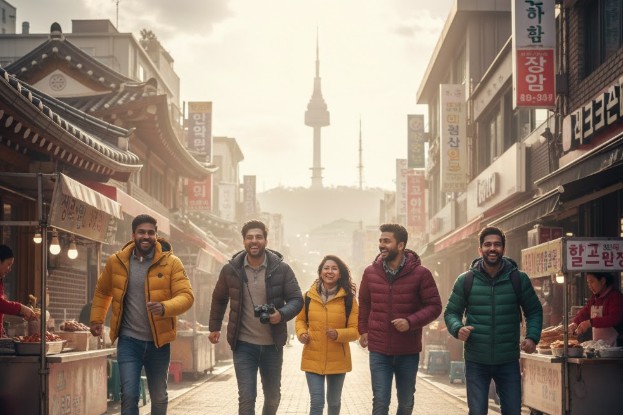
- India has steadily grown as a source market for South Korean tourism. While the exact number of Indian visitors is not provided in the original data, it is known that India has been among the emerging sources of travelers. A growing middle class and increasing interest in South Korean culture, such as K-Pop, are contributing to this upward trend.
Potential Impact of the Visa Fee Waiver:
- The extension of the visa fee exemption is expected to have a significant impact on Indian tourism. Given that India is one of the world’s largest travel markets, this policy change could lead to a sharp increase in the number of Indian group tourists visiting South Korea.
- An increase of 25-30% in tourist arrivals could be expected from India, potentially adding 50,000 to 70,000 more visitors annually.
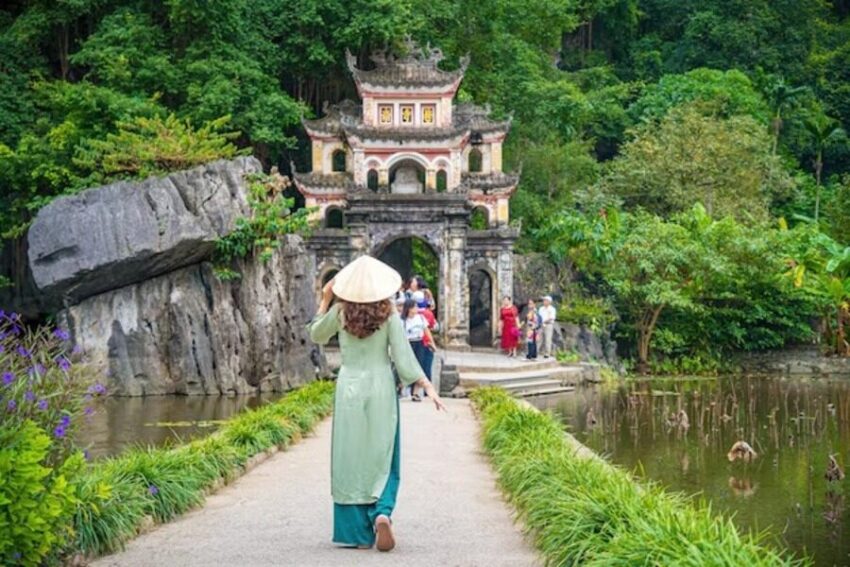
3. Vietnam: Increasing Interest in South Korea
Current Visitor Numbers:
- Vietnam has experienced growing interest in South Korea, with increasing numbers of travelers each year. The November 2025 data shows that Vietnamese tourists make up a significant portion of South Korea’s visitor numbers, with many coming for tourism, business, and cultural experiences.
Potential Impact of the Visa Fee Waiver:
- The visa fee waiver for Vietnamese tourists will likely provide a strong boost to the number of visitors. Given the high demand for travel to South Korea from Vietnam, it is expected that the waiver will attract even more travelers from this region.
- A 15-20% increase in tourism could be expected, adding 15,000 to 20,000 more Vietnamese visitors annually.
4. The Philippines: A Steady Source of Tourists

Current Visitor Numbers:
- The Philippines consistently contributes to the number of tourists visiting South Korea. The most recent data shows that Philippine arrivals were recorded at 60,000 in November 2025. This shows that the Philippines is a consistent and reliable source of visitors to South Korea.
Potential Impact of the Visa Fee Waiver:
- With the visa fee exemption, more Filipino group tourists are expected to visit South Korea. The Philippines has a growing interest in South Korea’s tourism, with many travelers drawn to the country’s Korean culture, K-Dramas, and cuisine.
- A potential 20-25% increase could bring an additional 12,000 to 15,000 visitors from the Philippines to South Korea each year.
5. Indonesia: Strong Growth in Travel Interest

Current Visitor Numbers:
- Indonesia has been showing promising growth in terms of outbound tourism, and South Korea has become an attractive destination for many Indonesians. While exact numbers were not provided in the original data, Indonesia is a rising source of international tourists to South Korea.
Potential Impact of the Visa Fee Waiver:
- The visa fee exemption for Indonesian tourists is expected to have a positive impact on travel numbers. With an increasing number of Indonesian travelers seeking international destinations, the waiver will encourage more group tourists to visit South Korea.
- An increase of 20-30% in Indonesian arrivals could be expected, resulting in an additional 10,000 to 15,000 visitors annually.
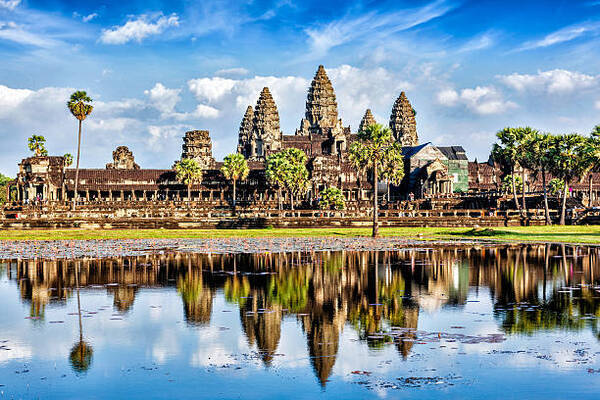
6. Cambodia: An Emerging Market
Current Visitor Numbers:
- While Cambodia may not be one of the top sources of visitors to South Korea, it has been steadily growing. Cambodian travelers are increasingly looking to South Korea as a prime destination for cultural exchanges and tourism.
Potential Impact of the Visa Fee Waiver:
- With the visa fee exemption, it is anticipated that the number of Cambodian tourists will increase significantly. South Korea’s strong cultural appeal, particularly with the Korean wave (Hallyu), will likely attract more Cambodian group travelers.
- A 15-20% increase could be expected, adding around 5,000 to 7,000 more visitors annually from Cambodia.
Continued Support for Inbound Tourism
The extension of the visa fee exemption is a strategic effort by South Korea to bolster its tourism sector, which has been recovering steadily after the pandemic. The C-3-2 visa, which covers short-term visits for group tourists, typically involves a processing fee of 18,000 won (approximately USD 12.46). By eliminating this fee, South Korea aims to attract more tourists from these key countries and sustain the recovery momentum in the tourism industry.
Minister Koo emphasized that this move is intended to preserve the ongoing tourism recovery and help sustain the increase in foreign visitors. As part of the country’s broader efforts to boost tourism, this extension also targets the economic benefits derived from inbound tourism, including increased spending in the hospitality and retail sectors.
Rising Foreign Visitor Numbers
The announcement comes on the back of positive tourism trends in South Korea. According to recent data from the Korea Tourism Organization (KTO), foreign visitor numbers surged by 17.3% in November 2025 compared to the same month the previous year. In total, about 1.6 million tourists visited South Korea in November, up from 1.36 million in the same month of 2024. This marks a significant recovery, bringing visitor numbers to 9.6% higher than the same period in 2019, before the pandemic hit.
Among the nations contributing to this growth, China remained the largest source of visitors, accounting for 378,000 arrivals, followed by Japan with 363,000 visitors. Other notable contributors included Taiwan, with 158,000 visitors, and the United States, which sent 133,000 tourists. The Philippines also ranked high, with 60,000 visitors.
Chinese and Japanese Tourism Growth
Although tourism from China—South Korea’s largest source of tourists—had yet to fully recover to pre-pandemic levels, the number of Chinese visitors reached about 75% of the levels seen in 2019. On the other hand, Japanese tourism saw a remarkable increase, with arrivals from Japan rising by 40.4% compared to the same period in 2019. These figures reflect a strong rebound in regional tourism and underscore the growing appeal of South Korea as a destination for both leisure and business travelers.
Projections for 2026 and Beyond
The recovery of South Korea’s tourism sector is evident not only in the rise of foreign visitors but also in the country’s ambitious projections for 2026. The Ministry of Culture, Sports and Tourism has projected that the annual number of foreign visitors to South Korea will surpass 18.7 million in 2026, a new all-time high. This represents a 15.4% increase over the same period in 2025 and a 8.6% growth over the pre-pandemic levels of 2019.
China remains a dominant force in South Korea’s tourism market, contributing to nearly 29.2% of all foreign arrivals, with 5.09 million visitors. However, countries like Japan and other Southeast Asian nations are also expected to contribute significantly to the tourism growth in the coming years.
Why the Visa Fee Waiver Matters
The extension of the visa fee waiver is part of a broader strategy to attract tourists from countries that are vital to the tourism recovery. For group tourists, especially those from India, Vietnam, and Indonesia, the waiver offers a tangible incentive to travel, making it easier and more affordable to visit South Korea. These nations represent emerging markets with growing middle-class populations who are increasingly seeking international travel experiences.
In addition to financial incentives, the South Korean government has invested heavily in marketing efforts, both domestically and abroad, to raise awareness about the country’s diverse offerings. From its rich cultural heritage to modern attractions like Seoul‘s bustling urban landscape, Jeju Island’s natural beauty, and the world-famous K-Pop culture, South Korea continues to present itself as a dynamic and appealing destination.
Conclusion: South Korea’s Tourism Future
South Korea’s tourism strategy is evolving rapidly, with the extended visa fee waiver playing a key role in attracting more international visitors. With robust growth expected in the coming years, the country’s tourism sector is poised to benefit from both regional and global tourism trends. The C-3-2 visa exemption for group tourists from countries like India, China, and Indonesia is part of a broader effort to maintain South Korea’s position as a leading destination in the global travel market.
As international and domestic tourism grows, South Korea is preparing for an influx of visitors in 2026 and beyond, driven by its combination of cultural richness, affordability, and innovative tourism practices. With efforts like these, South Korea is on track to continue its upward trajectory as a top global destination.
