
Amid a recent surge in phishing attacks targeting Luxembourg residents, the public prosecutor’s office has reported several arrests and ongoing investigations.
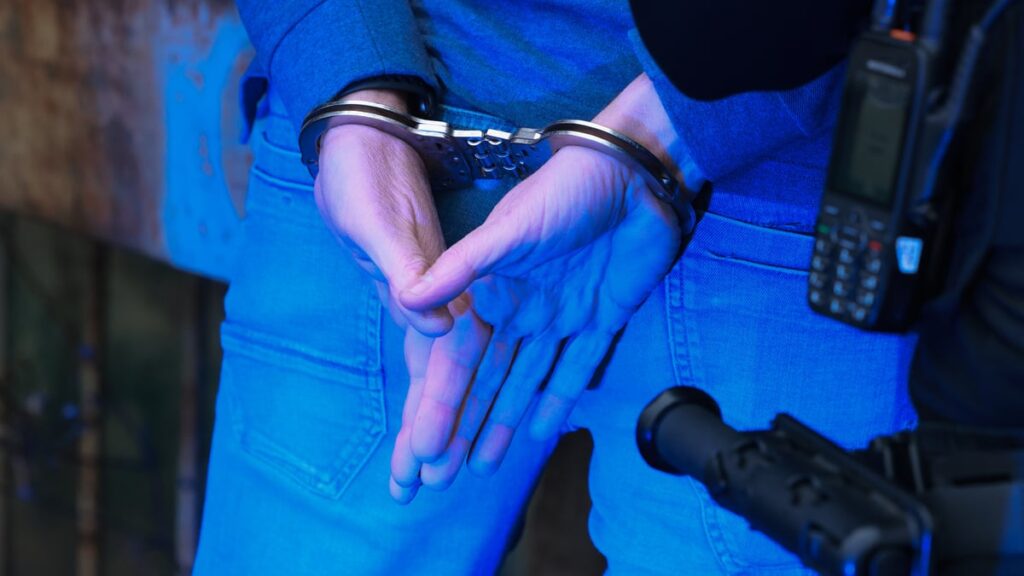
Five suspects were arrested on Tuesday evening and Wednesday night, the prosecutor said in a press release on Thursday afternoon. They are accused of making their bank accounts or cards available for criminal activities. The arrests followed multiple police searches involving a significant number of officers.
During these searches, authorities seized numerous items of evidence, including bank accounts, cash, IT equipment, means of payment, and vehicles. These assets could potentially be used to compensate phishing victims in the future.
All suspects remanded in custody
The five individuals appeared before a judge at the Luxembourg district court on Wednesday, who issued arrest warrants. They are now in custody, as the investigations are ongoing. The presumption of innocence applies until a final conviction.
Money mulingHow it works and the risks
The suspects are believed to be part of an organised money laundering network involving several layers and a significant number of Luxembourg residents. Participants are often recruited through Snapchat, other social media platforms or messaging apps, frequently targeting young people or those in financial difficulty.
The police and the public prosecutor’s office said that it is a criminal offense to make your bank account or card available to third parties for a fee to transfer fraudulent funds. In addition to arrest, offenders risk having their valuables systematically seized, which may later be permanently confiscated to compensate victims.
Possible penalties
-
Freezing of bank accounts and confiscation of funds and valuables
-
Prison sentence of between one and up to five years
-
Fine of between €1,250 and €1,250,000
Preventive advice
-
Be wary of offers that promise quick and easy profits
-
Never disclose your account to third parties
-
Do not pass on your bank details to strangers
-
Do not withdraw or transfer money if you do not know its origin
-
Never transfer money to an unknown account at the request of a third party
-
If you have become a victim or suspect that you have been abused as a money mule, cancel all transactions and contact the police immediately
The police provide further information on the subject of phishing on their website.
(This article was first published by the Luxemburger Wort. Translated using AI, edited by Lucrezia Reale.)