
Published on
December 30, 2025
Romania is experiencing a significant tourism boom in 2025, with Bucharest emerging as a major European hotspot for travelers, drawn by its rich history, vibrant culture, and affordability. However, this surge in popularity faces a potential setback as the city introduces a controversial new tourist tax. Set to take effect in 2026, the levy could impact the city’s growing appeal, as it aims to raise funds for tourism promotion while raising concerns among the hospitality sector about its effect on affordability and visitor numbers. The tax, which applies to all tourists regardless of accommodation type, is seen by some as a necessary measure for development, but others worry it could hinder Bucharest’s position as a top travel destination in the long term.

Bucharest Braces for Tourist Tax in 2026 Amidst Booming Travel Scene
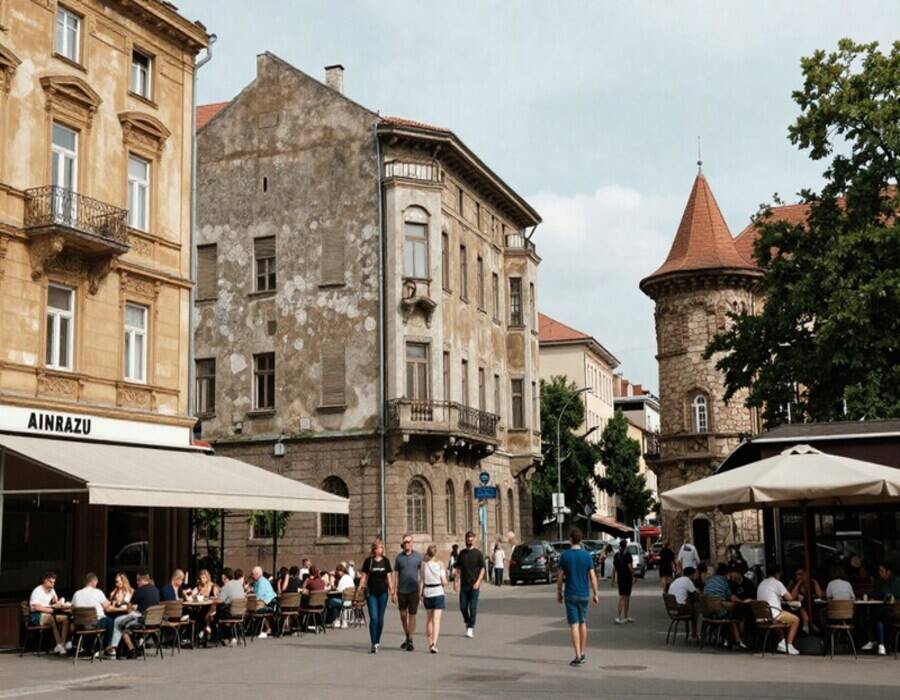
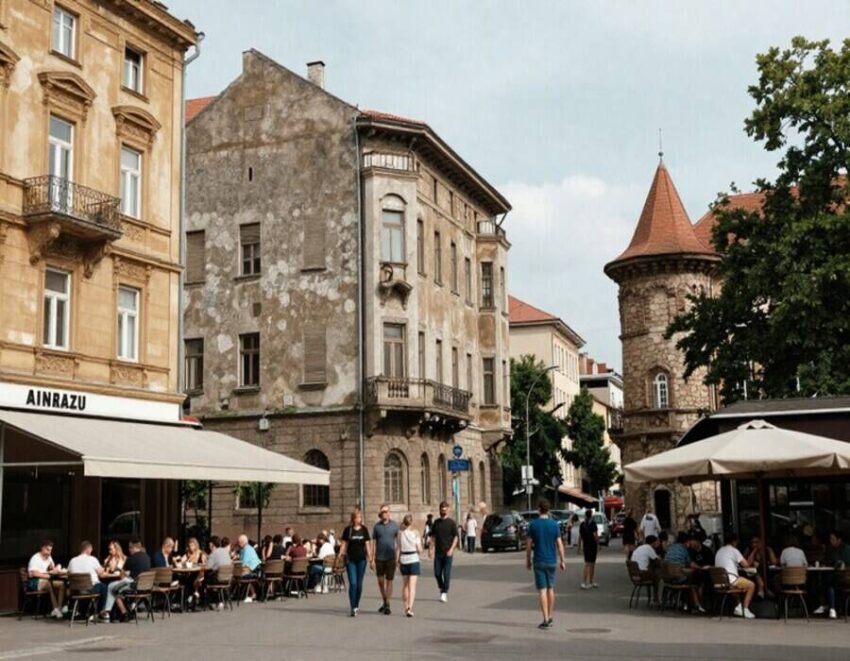
Bucharest, often affectionately called ‘Little Paris’ due to its unique blend of communist-era architecture, medieval charm, and vibrant nightlife, is rapidly emerging as one of Europe’s most sought-after city-break destinations. Just over three hours from the UK by flight, it has captured the attention of both city-breakers and stag parties, drawn by its affordability and cultural allure.
The Romanian capital saw a remarkable surge in tourism in 2025, with nearly 954,000 visitors in the first half of the year alone. In addition, the city recorded 1.93 million overnight stays during this period, further cementing its status as a rising European hotspot. Much of this increase can be attributed to Bucharest’s growing prominence on social media platforms like TikTok, where the city’s picturesque landscapes, bustling Old Town, and rich historical sites are frequently featured. The affordable travel options, combined with its growing online presence, have made Bucharest an increasingly popular choice for travelers seeking a mix of history, culture, and modern entertainment.
However, this tourism boom may face a new challenge in 2026 with the introduction of a new tourist tax. The Bucharest City Council recently approved a levy that is expected to raise over £2.5 million annually. Despite its potential to boost the city’s tourism infrastructure, the tax has sparked concern within the local hospitality industry. The levy, which will charge tourists 10 Romanian Leu (around £1.70) per night for every stay, is designed to help promote Bucharest as a top travel destination. However, this move has been met with opposition, especially from the hotel industry, which fears it could lead to increased prices for tourists, potentially dampening the city’s appeal.
The new tax will apply a flat rate for all visitors, regardless of the type of accommodation they choose. This differs from cities like Barcelona, where the tax varies based on the level of the accommodation. The funds raised from the tax are intended to be reinvested into the city’s tourism sector, though specific details on how the money will be used remain unclear. Accommodation providers, including hotels, Airbnb hosts, and travel agencies, will be responsible for collecting the tax, a responsibility that has added to the debate surrounding the policy.
One of the key concerns is the speed at which the tax was passed. The measure was introduced in late December and adopted without extensive consultation or a clearly defined strategy for how the tax revenue would be utilized. The Federation of the Romanian Hotel Industry (FIHR) has voiced its opposition, warning that the tax could backfire. Industry representatives argue that while promoting Bucharest as a tourist destination is important, the current approach could make the city less affordable and deter visitors. With the city’s recent rise in popularity, many fear that this levy could make Bucharest a more expensive destination, which could harm its attractiveness in the long run.
Non-compliance with the tourist tax could result in hefty fines—up to 1,500 Leu (£256) for individuals and 4,000 Leu (£683) for businesses. This punitive measure has further stoked the controversy, with critics questioning the fairness and feasibility of enforcing such fines, particularly for small businesses and independent accommodation providers.
This tax introduction comes at a time when the UK is also contemplating similar measures. In the latest Budget, new powers were granted to local officials in England, allowing city mayors and town leaders to implement tourist taxes for overnight stays. This development mirrors the practices already in place in cities like New York, Paris, and Milan, where such levies have been part of the tourism landscape for years. As these two countries consider their approaches to tourism taxes, the balance between maintaining affordability for travelers and generating revenue for tourism promotion remains a delicate issue.
Looking ahead, the future of Bucharest’s tourism scene hangs in the balance. Industry leaders are calling for a more transparent, strategic approach to managing the city’s growth as a top European destination. While the tax has the potential to generate substantial revenue, stakeholders stress that careful planning is essential to ensure the city remains competitive in an increasingly crowded tourism market. Without clear communication on how the funds will be used, and with growing concerns over affordability, Bucharest’s position as a popular destination could face challenges.
Romania’s tourism sector is booming, with Bucharest gaining popularity in 2025. However, a new tourist tax set for 2026 may challenge its growth, raising concerns about affordability and visitor numbers.
As the city continues to develop its tourism infrastructure, the impact of this new tax will be closely monitored. The question remains whether it will help Bucharest achieve its long-term tourism goals or whether it will discourage potential visitors. Only time will tell if this levy will become a sustainable solution for promoting Bucharest, or if it will be seen as a barrier to the city’s ongoing tourism success.
