
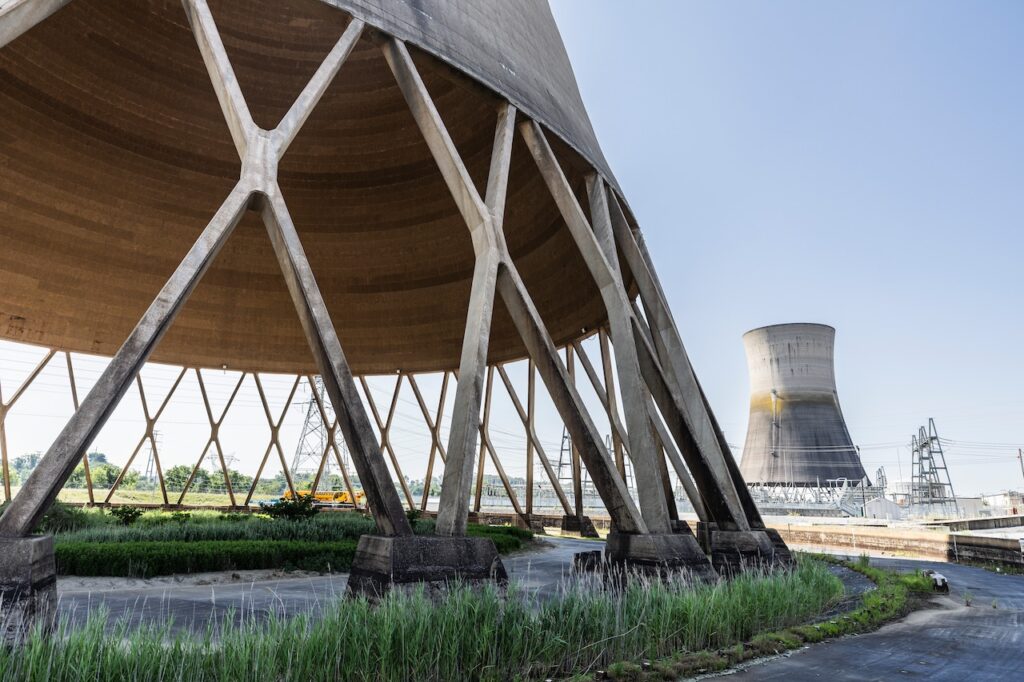
The former head of the Federal Energy Regulatory Commission (FERC) this week said efforts to restart the Three Mile Island nuclear power plant “will never work.”
On Friday, The Hill published an opinion piece authored by Neil Chatterjee, who served on the FERC from 2017 to 2021.
The nuclear power plant, which shut down in 2019, experienced a partial meltdown in 1979 — the worst nuclear power disaster in U.S. history.
Chatterjee called the push for more clean energy “laudable,” especially with companies like Microsoft seeking new ways to power the ever-growing demand for artificial intelligence data centers.
Microsoft agreed to buy the equivalent of all the wattage produced by the restarted nuclear plant for at least 20 years, guaranteeing the plant could operate profitably for Constellation Energy.
“Unfortunately, it will never work. A fully shut-down nuclear plant has never been restarted in America for good reason: There are too many regulatory, material and logistical hurdles to overcome,” Chatterjee wrote for The Hill.
Constellation Energy initially announced the power plant would be up and running by 2028, Chatterjee said. In early 2025, the company moved the opening day to 2027, pending the plant’s water systems being restored and several inspections taking place.
Chatterjee’s biggest concern with reopening the plant is “red tape” from environmental regulatory agencies, which he has seen stop “even the best-intentioned projects.”
Nuclear projects also have a “long history of going over budget and past schedule,” Chatterjee said while explaining how permanently shut down nuclear power reactors must go through an “extensive regulatory review process” and receive special exemptions to operate and use radioactive fuel.
1/8
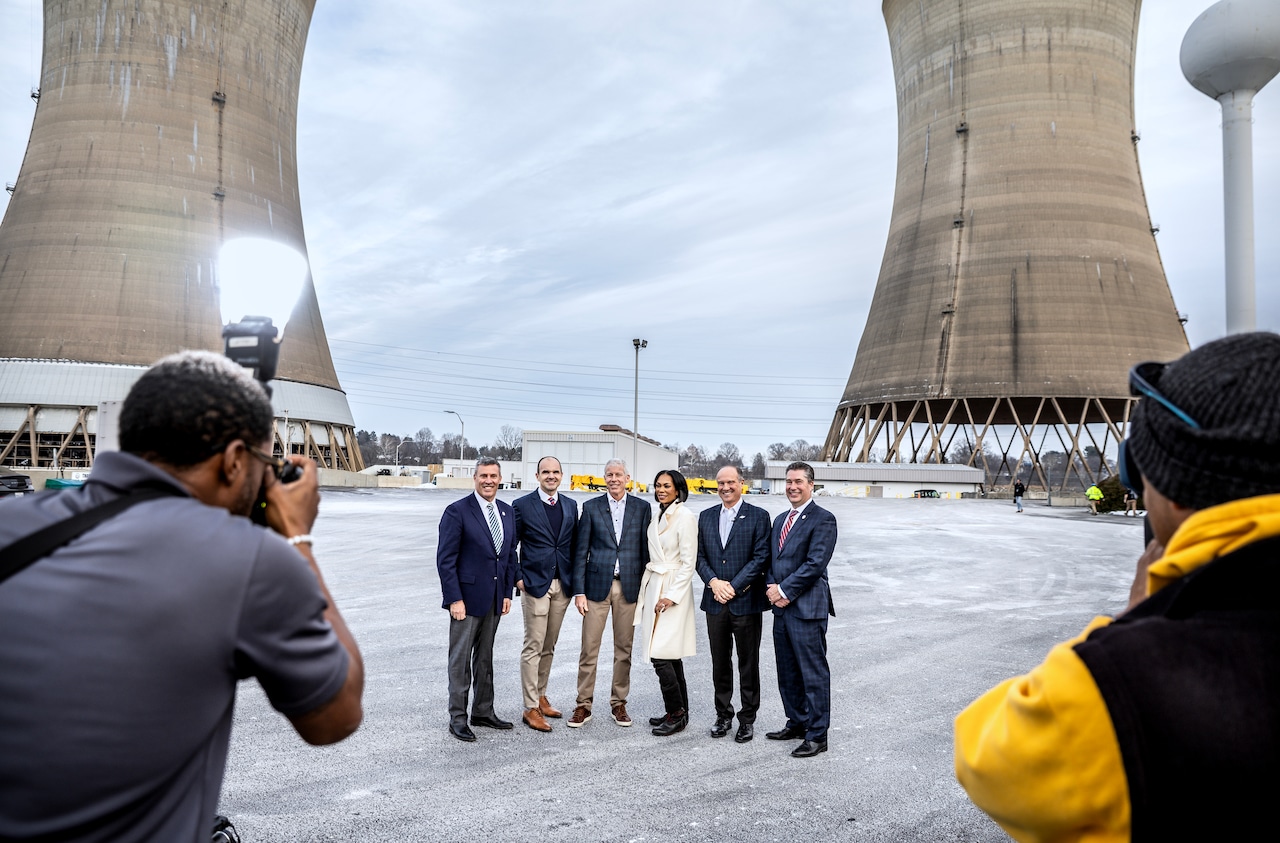
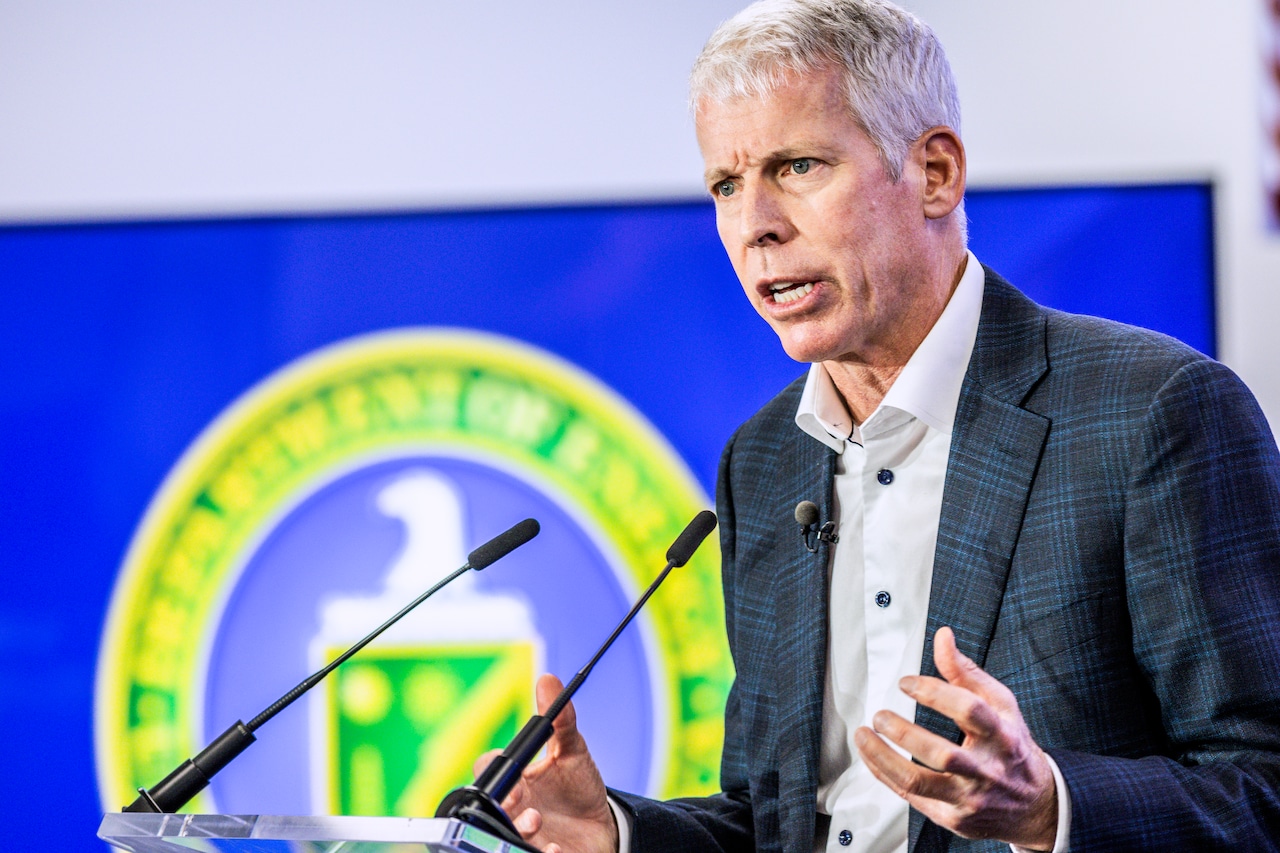
Three Mile Island Unit 1 restart promoted by U.S. Energy Secretary Chris Wright
Despite support from the Department of Energy, Chatterjee said scrupulous rounds of inspections and approval from the Environmental Protection Agency, the U.S. Nuclear Regulatory Commission, FERC and other state and local offices are required for the project to move forward.
“Even under a pro-business, pro-energy, regulation-slashing Trump administration, this is quite a gauntlet — especially because pro-nuclear government officials may nevertheless be hemmed in by existing laws and review processes outside of their control,” said Chatterjee.
Trump’s administration has shown support for nuclear energy and hopes to claim victory in the “energy-intensive AI race against China,” the piece said.
Chatterjee then explained that repowering a nuclear reactor isn’t as simple as flipping a switch.
Nuclear reactors, he said, are “more like a car left undriven in a garage for too long with old oil, putrid gasoline, rat-chewed wires and a rusty frame — except that nuclear plants are infinitely more complicated than any car.”
Three Mile Island’s reactor vessel could be “brittle and fatigued,” and critical components, including core rods, steam generators and turbines, could require refurbishing. Part of the plant’s cooling tower was also removed because of fire risks.
Estimates place the project’s spending at $1.6 billion, but Chatterjee said that does not factor for the historically high maintenance costs that ultimately led to the closure of Three Mile Island, Indian Point and Crystal River, which could not compete with cheaper alternatives, like natural gas.
“As energy demand rises, those costs may become more comparable. But restarting Three Mile Island is still an expensive bet that will take years or decades of the right economic conditions to pay off,” Chatterjee said.
Chatterjee also mentioned other potential issues with restarting Three Mile Island, such as creating a supply chain for nuclear fuel, integrating with the local electricity grid, hiring and training a workforce and overcoming the cultural stigma formed after the partial meltdown.
“I present none of these challenges with relish. Nuclear is a critical piece of the energy puzzle, providing abundant carbon-free electricity,” Chatterjee said. “I strongly support keeping our legacy nuclear energy facilities up and running. I also wish it were easier and cheaper to bring old reactors back online. The simple truth is that we can’t meet our energy needs and bring down emissions without putting even more nuclear power into the grid.”
Chatterjee suggested funneling resources to “promising initiatives like advanced nuclear, which has lower meltdown risks, higher efficiency, minimal waste and could be more expansively deployed.”
“No matter the effort, I fear Three Mile Island may not be able to turn the lights on at a Microsoft data center if it can’t turn its own lights on first,” said Chatterjee.