
Published on
January 3, 2026
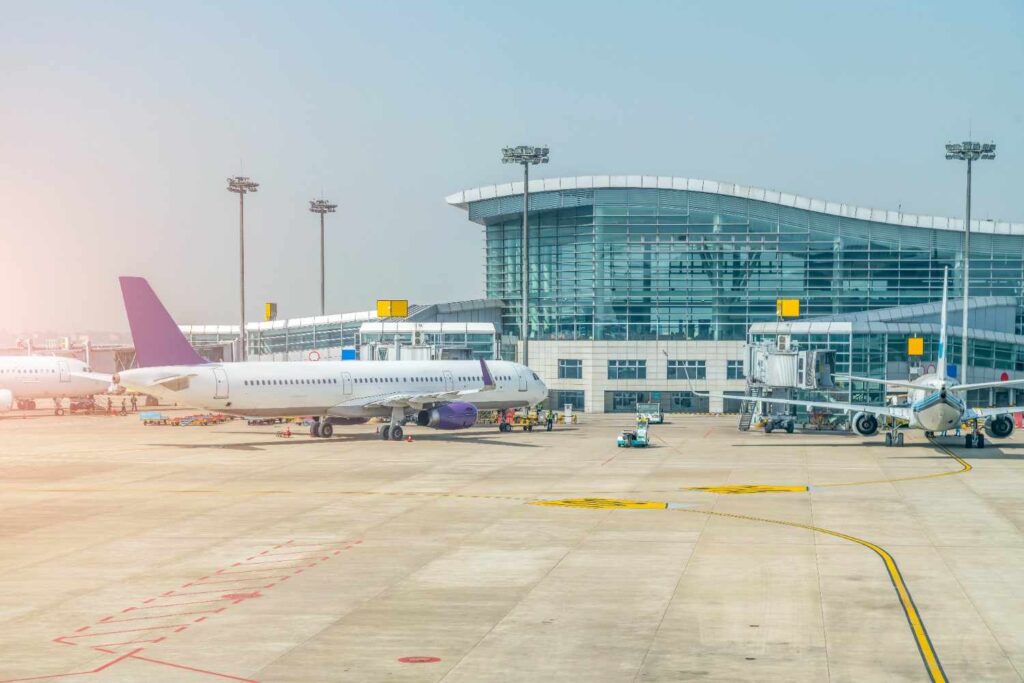
Warsaw Chopin Airport tourism is set to experience significant transformation as Poland moves ahead with a major expansion plan for its busiest airport ahead of the scheduled opening of the Port Polska mega‑hub in 2032. The planned works for Warsaw Chopin Airport, Poland’s chief international gateway, reflect a broader national strategy to modernise aviation infrastructure to meet surging demand and support tourism growth before the transition to a new era of travel connectivity. Official Polish infrastructure and transportation sources confirm that the expansion aims to address current capacity constraints and maintain the airport’s role in supporting tourism traffic in the coming years, even as the new Port Polska, formerly known as the Central Communication Port (CPK), advances towards completion.
Warsaw Chopin Airport plays a central role in Poland’s air transport system, handling approximately forty percent of the country’s passenger traffic and consistently recording rising annual passenger numbers. With expansion plans scheduled to be completed by mid‑2029, the airport is undergoing costly upgrades to enhance capacity, improve passenger experience, and sustain its contribution to tourism and economic activity before the nationwide shift to Port Polska’s integrated transport hub.
Massive Upgrade to Warsaw Chopin Airport Ahead of Capacity Limits
The government‑backed expansion of Warsaw Chopin Airport is a strategic move to alleviate capacity constraints at Poland’s busiest airport. Official infrastructure plans indicate that construction work, estimated at between nine hundred forty million and 1.4 billion zloty (euro two hundred twenty to euro three hundred twenty million), will modernise passenger facilities, extend terminal capacity, and upgrade baggage handling and aircraft parking infrastructure.
This renovation is expected to increase the airport’s throughput from its existing capacity to approximately thirty million passengers annually. The move supports sustained tourism and travel demand over the next decade, avoiding bottlenecks as demand continues to grow across Europe.
Chopin Airport’s Role in Poland’s Tourism Sector
Official aviation data confirms that Warsaw Chopin Airport has been at the centre of Poland’s booming air travel activity. In recent years, the airport has handled record passenger numbers, contributing substantially to the growth of Poland tourism and acting as a gateway for international visitors. The airport’s connections to major European cities support tourism inflows and underline its importance in facilitating travel for business, culture, and leisure activities in the region.
As tourism traffic grows, the expansion aims to ensure that Warsaw Chopin Airport continues to serve as a key node in international and domestic travel networks until the new Port Polska hub becomes fully operational. This strategic investment ensures that the benefits of tourism and transportation infrastructure remain resilient in the face of future shifts in passenger movements.
Port Polska Mega Hub: Transforming Polish Tourism Connectivity
Poland’s landmark Port Polska project, the ambitious successor to the CPK concept, is envisioned as one of Europe’s largest interconnected transport hubs, blending air travel with high‑speed rail and road networks. Official government planning documents detail that the new airport, located between Warsaw and Łódź, will have an initial capacity of between thirty-four million and forty-four million passengers annually, with scalability built into long‑term development plans. (Cpk)
This integrated transport hub will not only serve major international routes but also link high‑speed rail connections from Warsaw, Poznań, Wrocław, and beyond, significantly reducing travel times for tourists and business travellers alike. The seamless network is expected to strengthen Poland’s tourism infrastructure by enabling more efficient travel to and within the country, boosting accessibility to multiple regions and cultural centres.
Balancing Short‑Term Investment with Long‑Term Vision
The decision to proceed with Warsaw Chopin Airport’s expansion, despite its planned transition to the Port Polska gateway, demonstrates a pragmatic approach to managing tourism demand. Government infrastructure planners have identified the immediate need to ease capacity limitations, ensuring that Warsaw’s primary airport remains functional and efficient through the late 2020s and into the early 2030s.
While the Port Polska hub is scheduled to begin operations by 2032, the interim period requires a robust aviation network to support both domestic and international passengers. The current focus on upgrading Warsaw Chopin Airport supports airline operations, reinforces tourism inflows, and invites greater travel confidence among carriers and travellers alike.
Enhancing Passenger Experience and Capacity Before Port Polska Opens
The modernization project for Warsaw Chopin Airport involves expanding passenger areas, updating baggage systems, and improving aircraft stand capacity. These enhancements are expected to improve efficiency for peak travel periods and help maintain high service standards for passengers, many of whom are international visitors contributing to Poland’s tourism economy.
By improving operational capabilities, the airport will better serve airlines and passengers, supporting tourism recovery and growth across Central Europe. The enhancements are positioned as essential to sustaining reliability during an important transitional period for Polish aviation infrastructure.
Tourism Infrastructure and Regional Growth
Beyond Warsaw Chopin Airport and the future Port Polska site, the Polish government is also focused on strengthening regional airports and travel corridors. Investments in infrastructure aim to improve transport access in cities such as Kraków, Poznań, and Gdańsk, further supporting Poland tourism efforts. The broader aviation strategy underscores the role of connectivity in facilitating balanced regional development and expanding tourism appeal beyond the capital.
These improvements are expected to support not only Warsaw’s tourism ecosystem but also travel demand across the country, encouraging more visitors to explore cultural, historical, and leisure destinations throughout Poland.
Warsaw Chopin and Port Polska in the Tourism Future
The expansion of Warsaw Chopin Airport and the development of the Port Polska mega hub represent complementary elements of Poland’s long‑term aviation and tourism strategy. While Chopin’s expansions address near‑term capacity needs, Port Polska’s ambitious framework promises to transform how tourists connect to and travel within Poland in the decades ahead.
As tourism remains a key economic driver, the integration of improved airport infrastructure and high‑speed transport networks positions Poland to capitalize on rising global travel demand. The country’s vision, balancing large‑scale modernization with future‑oriented planning, underscores a commitment to enhancing tourism access, improving passenger experience, and maintaining Poland’s status as a dynamic travel destination in Europe.
