
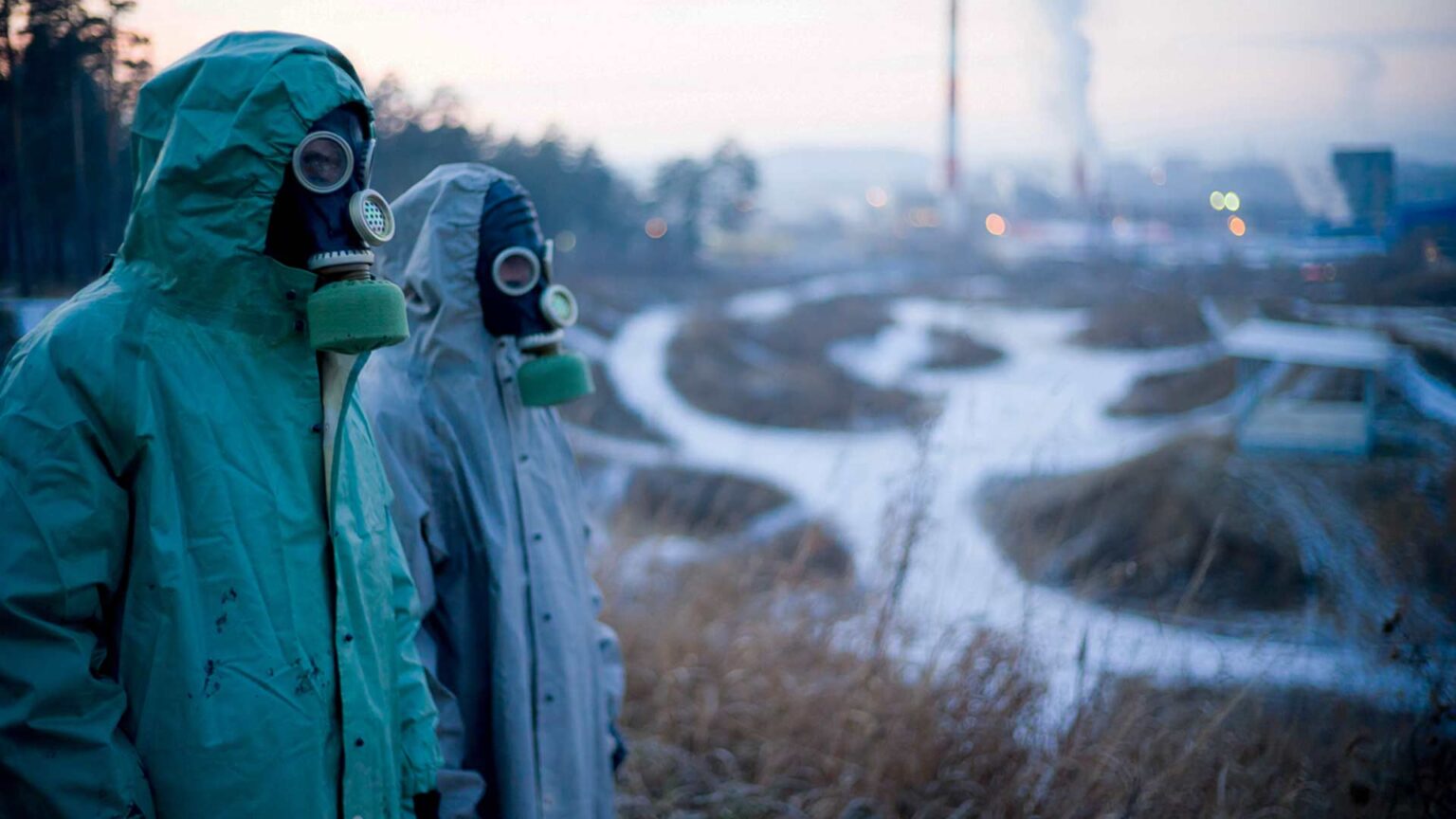
I can’t help but shake my head at the self-inflicted wound Germany has recently dealt itself. Consider the Moorburg coal power plant near Hamburg. Germany invested roughly three billion euros to build one of Europe’s most modern, clean and efficient coal-fired plants. It came online in 2015 with around 1,650 to 1,700 megawatts of dependable baseload power. It was new, it worked and it could have powered homes and industry for decades. Instead, after only a few short years, climate-cult driven political winds turned against coal, and Moorburg was shut down in 2021 under Germany’s coal phase-out laws.
Today, smokestacks and boiler houses are being demolished while taxpayers fund compensation for the closure and billions more are being committed to convert the site into a speculative green hydrogen hub that may not be fully operational for years to come. This is not progress. This is economic vandalism.
Instead of updating the technology, Germany deliberately destroyed a productive asset in service of the eco-terrorists’ climate ideology, and the consequences are clear. Energy prices have soared, industrial competitiveness has suffered and some factories are reconsidering investment because they face higher costs and less reliable power. While China continues to build coal plants at a staggering pace to fuel its industrial growth, much of the Western world is dismantling its own energy backbone. That is not leadership. It is managed decline.
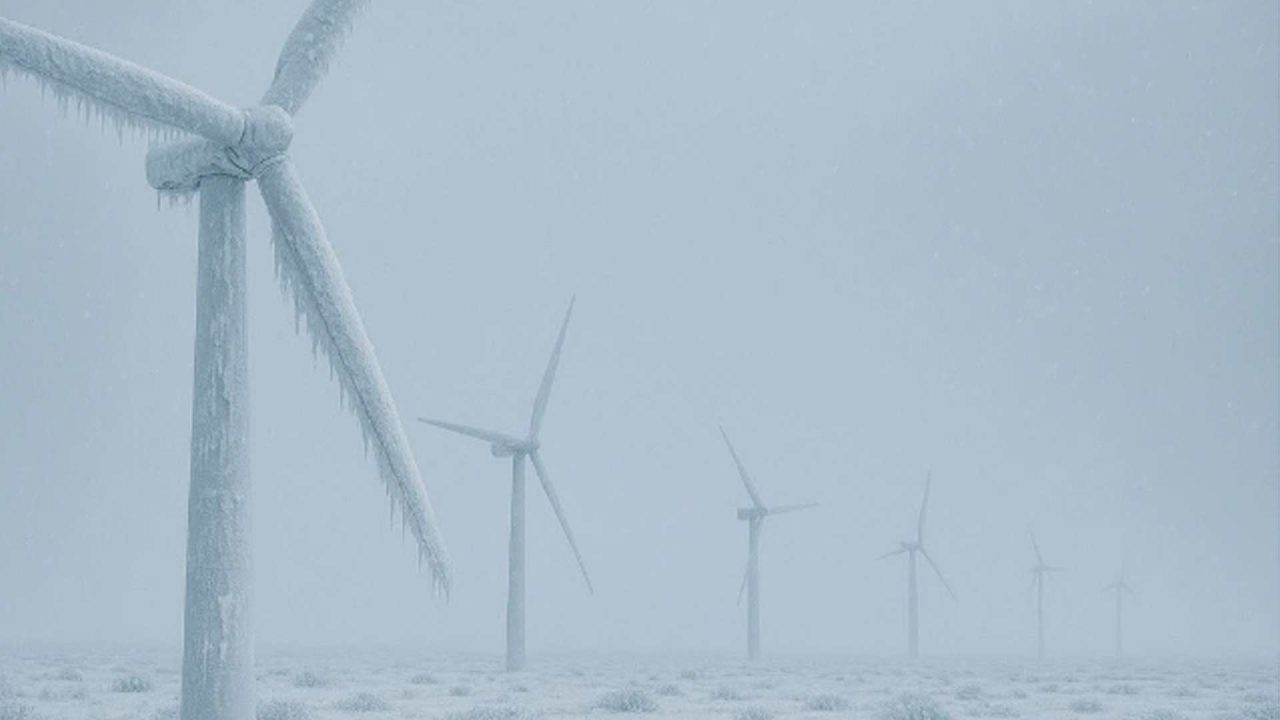
And this type of thinking is not confined to Europe. The United States learned a hard lesson during Winter Storm Uri in February 2021. Texas faced a historic freeze, its power grid failed, and more than four million customers lost electricity at the height of the crisis. Hundreds of lives were lost and economic damage reached into the billions. Wind generation froze and output dropped far below projections just when it was needed most.
Natural gas infrastructure also struggled, but coal and nuclear plants performed more reliably, providing critical baseload power that kept portions of the system running. The lesson is undeniable: intermittent sources like wind and solar can supplement the grid, but they cannot replace reliable, dispatchable power. Renewables have a role, but betting everything on them in a cold climate is reckless.
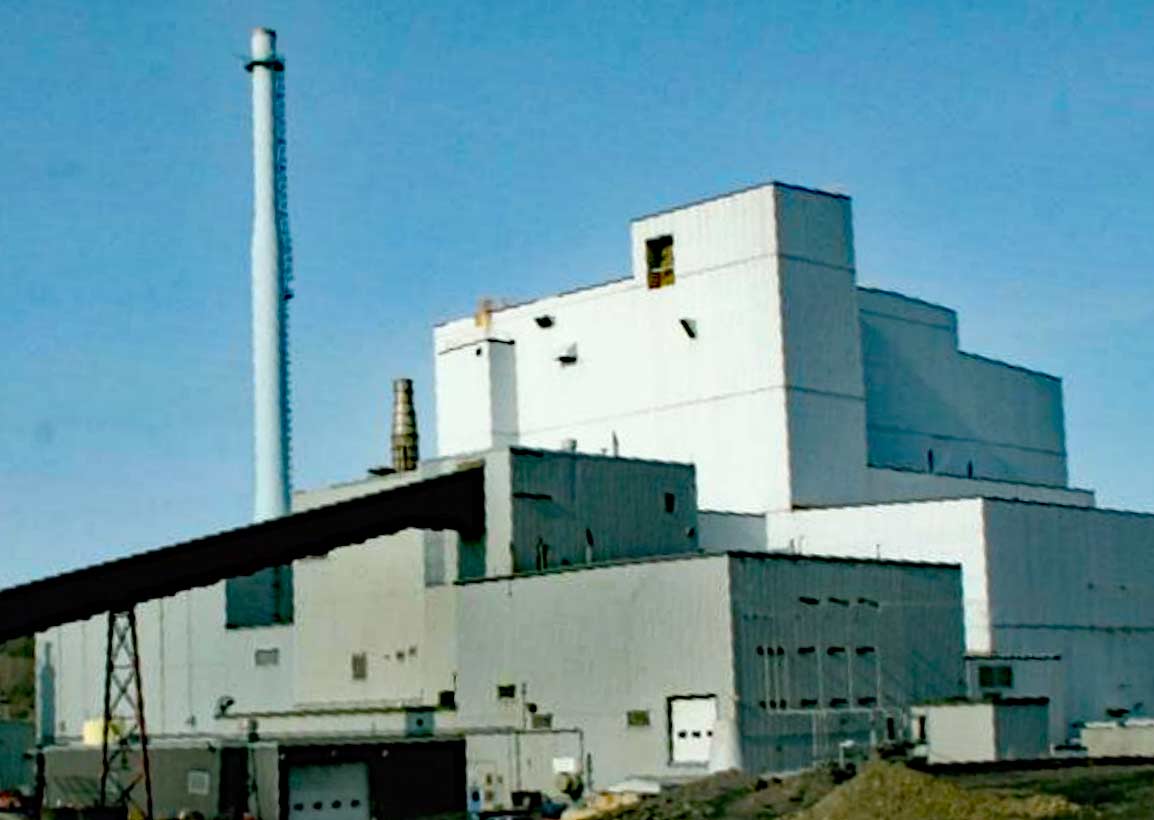 Healy Unit 2 coal power plant.
These lessons from abroad and the lower 48 highlight what we already know here in Alaska. Our winters are predictably long and harsh, and we cannot afford to gamble our energy security on outside money-driven climate cults and eco-terrorists who live thousands of miles away. Alaskans must control our energy future.
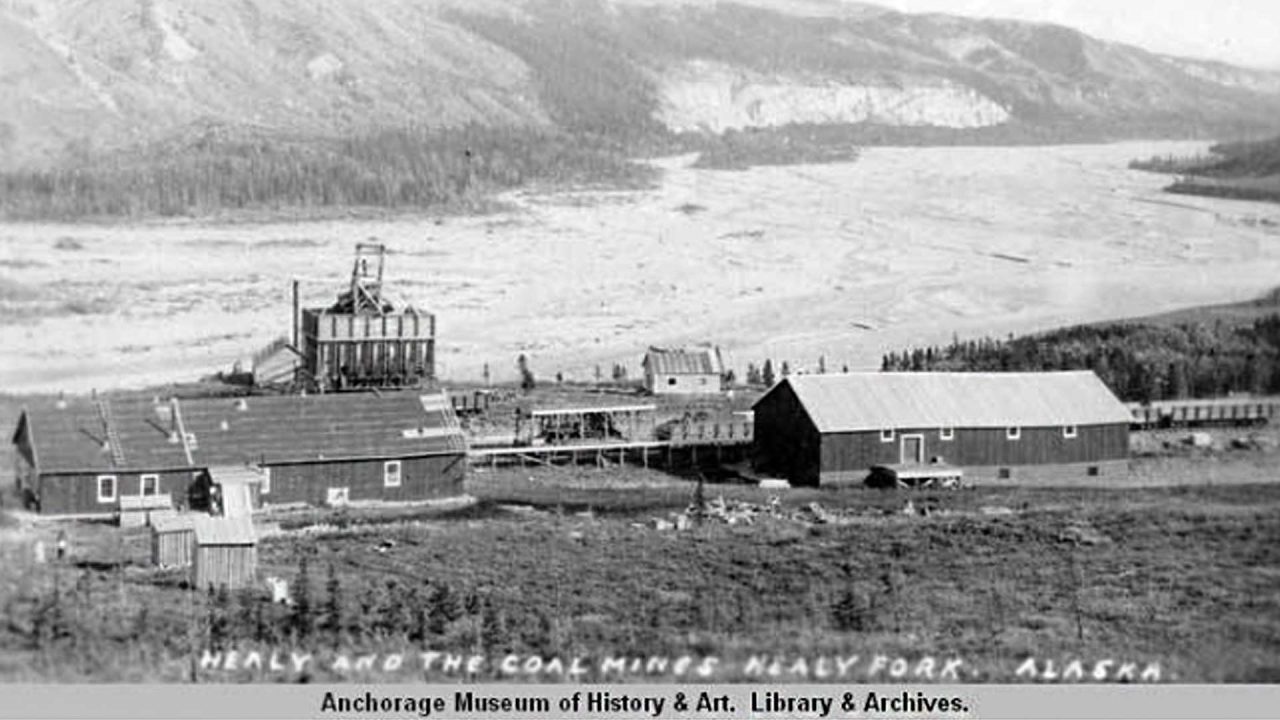
Common sense Alaskan priorities on reliability are already paying off. Golden Valley Electric Association kept Healy Unit 2 operational rather than retiring it prematurely. After upgrades, that plant has been producing dependable coal-fired generation since returning to service in 2018, consuming roughly 209,000 tons of coal per year from the Usibelli Mine and helping stabilize interior energy supply. Renewables like the Eva Creek wind farm play a useful supplemental role, but they cannot match coal’s reliability in our conditions.
Alaska is uniquely positioned to provide its own stable, affordable energy using resources we have in abundance. Our total identified coal resources exceed 160 billion short tons, with hypothetical and speculative resources many times larger, making Alaska a significant portion of the nation’s coal base. Most of this coal is subbituminous and lower in sulfur than much of the coal in the contiguous United States. Fields like Healy and Nenana, supported by local mining operations such as the Usibelli Coal Mine, can generate power with modern emissions controls that make coal as clean as natural gas. Carbon capture also presents practical economic opportunities to extend the life of these resources.
Building new clean coal generation, including in areas like West Susitna, would give Alaska the baseload power needed to support homes, businesses and industry. Renewables have a role, particularly in remote or off-grid communities, but they cannot replace dependable baseload generation that keeps lights on and furnaces running through bitter winter nights.
Coal also strengthens our energy portfolio by complementing natural gas. Cook Inlet gas supplies are declining, and diversification is essential to avoid shortages and price spikes. Coal can ramp up when gas is tight, reducing the risk of cascading failures like those seen in Texas.
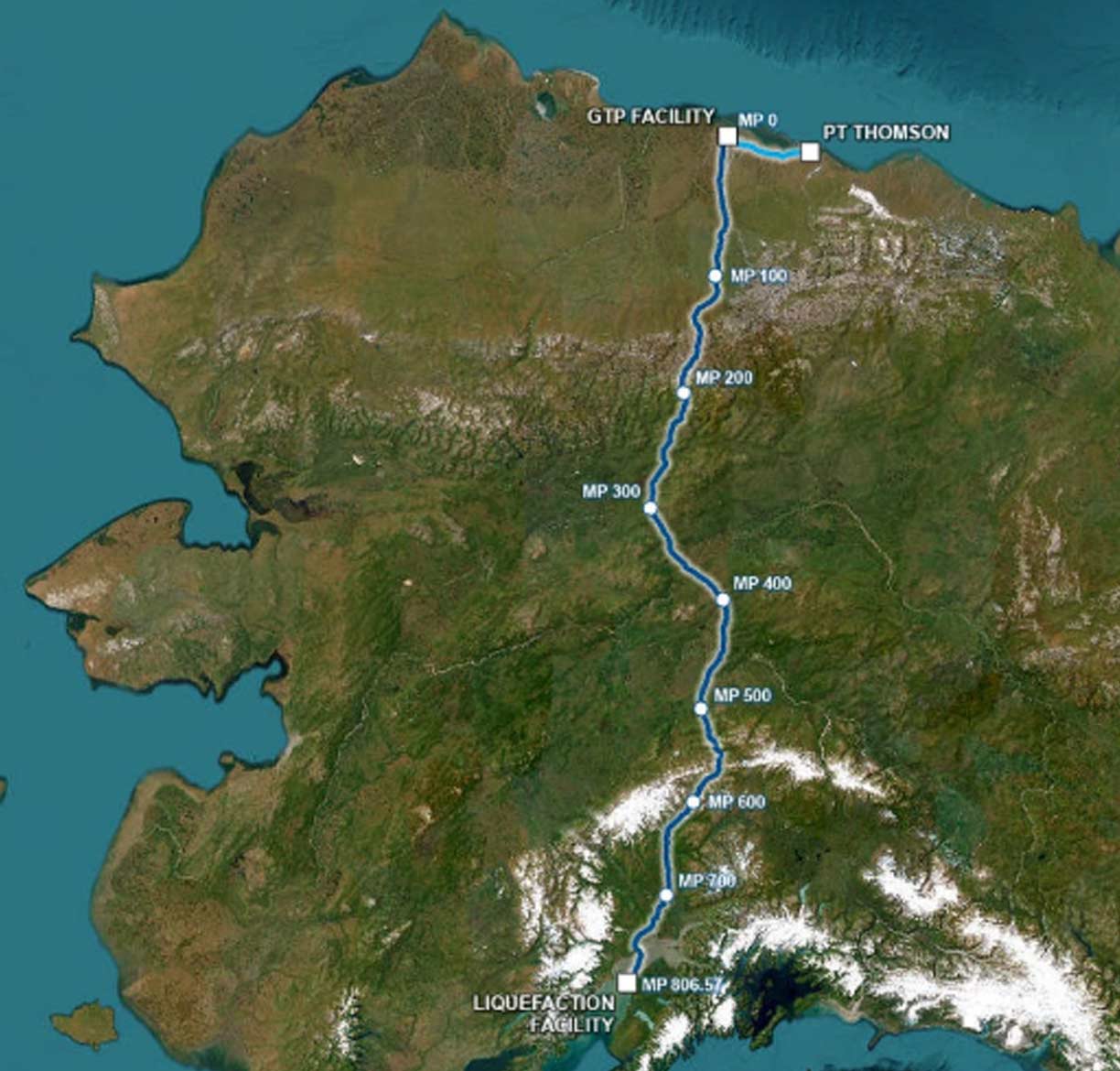
This strategy pairs perfectly with Alaska LNG. The 807-mile pipeline from the North Slope is fully permitted and moving toward a construction decision. When built, it will unlock vast gas reserves, create thousands of jobs and generate billions in revenue. To make Alaska’s energy future secure, coal must stand alongside LNG, providing resilient reliable baseload power for infrastructure, industrial operations, and long-term energy security. Together, they offer the potential for a transformational economic resurgence similar to what Prudhoe Bay meant for Alaska in the 1970s.
Germany’s experience should serve as a warning, not a blueprint. Alaska does not need to dismantle working systems or gamble on feel-good energy fantasies dictated by climate cults or eco-terrorists from outside our state. We need practical, reality-based solutions: clean coal for baseload, renewables as supplements, and a strong partnership between coal and Alaska LNG. With our resources, expertise, and resolve, Alaskans can lead in energy security, protect our economy, and secure a prosperous future for generations.
The views expressed herein are those of the author.