
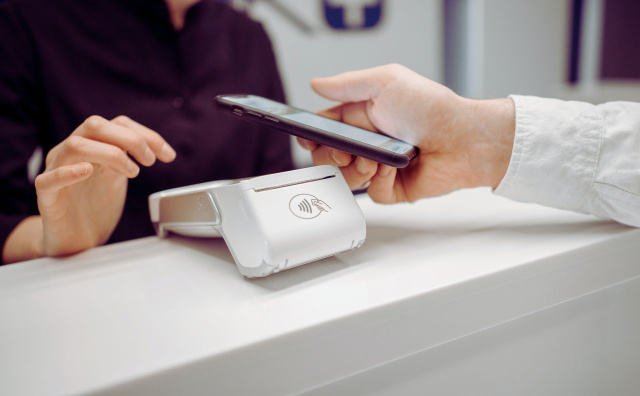
Bulgarians marked the first two days of the country’s entry into the eurozone with intensive use of card payments and cash machines, according to data from BORICA AD, the company operating the national card and payment infrastructure.
Between 1 and 2 January 2026, more than 933,000 transactions were processed through POS terminals and ATMs, with a total value of close to €42 million, equivalent to around BGN 82 million. The figures point to a clear trend: non-cash payments dominate in terms of transaction numbers, while ATM operations account for the larger share of value.
During the first 48 hours, over 804,000 card payments were made at POS terminals, amounting to more than €20 million, or about BGN 39 million. The average transaction value stood at roughly €25, which is just under BGN 49 per payment.
ATM activity, while lower in volume, represented a significant share of the total value. Cash withdrawals exceeded 125,000 transactions, with a combined value of more than €18 million, or approximately BGN 35 million. The average withdrawal amounted to €144, around BGN 282. At the same time, close to 3,500 ATM deposits were recorded, totalling nearly €3.8 million, or about BGN 7.4 million, with an average deposit of roughly €1,100, equivalent to around BGN 2,150.
Overall system load during the period was substantial. On average, almost 19,500 transactions were processed per hour, translating into about 324 transactions per minute, or roughly 5.4 transactions every second.
According to BORICA, the data from the first two days of eurozone membership clearly shows that cashless payments have become a standard expectation rather than an added convenience. With more than 86% of all transactions by number carried out through POS terminals, the company notes that merchants who do not offer card payment options risk cutting themselves off from the most active segment of customers and spending in the new currency environment.