
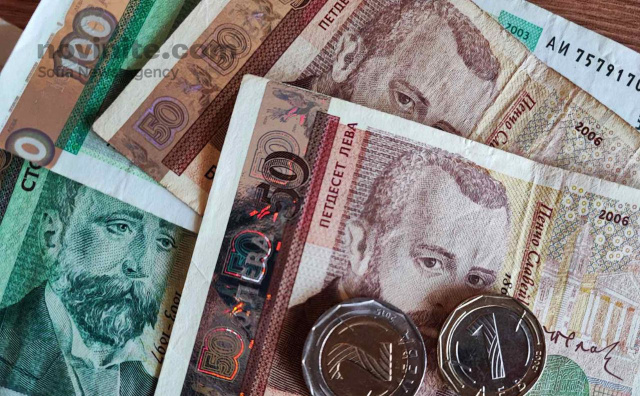
In North Macedonia, the Bulgarian lev is no longer accepted as a form of payment in shops, restaurants, flea markets, and even by taxi drivers. Payments in euros are possible, but only via card transactions.
A saleswoman at a minimarket in Kriva Palanka was blunt: “You can’t pay with leva here.” Similar rules have been applied in Kumanovo, where stores have not accepted leva for the past three days. Cash payments in euros are also limited, as many outlets lack euro banknotes or coins to provide change. In practice, transactions involving leva are first converted to Macedonian denars at a rate of 31.44 denars per lev, then further converted to euros at the official exchange rate used in Bulgarian banks – a process requiring multiple calculations.
A resident of Kyustendil visiting North Macedonia for the holidays described her experience: she brought both leva and euros, only to find neither accepted in several locations. In one large store in Kumanovo, cash payments were rejected entirely, leaving card payments as the only option. She advised travelers to exchange for denars in advance, noting that smaller shops and restaurants may not have card terminals.
The shift reflects one of the broader impacts of Bulgaria’s euro adoption: the long-standing “suitcase trade” across the border has effectively ended. Even before this, shopping in North Macedonia had become cheaper than in Kyustendil, reducing cross-border trips for bargains. Kyustendil residents still travel to towns like Kumanovo and Kriva Palanka for shopping or dining, particularly in New Year’s festivities at places like Rankovtsi and Etnoselo. The holiday season saw hundreds of Bulgarians crossing the border, creating traffic lines over a kilometer long at the Gyueshevo and “Deve Bair” checkpoints.
Source: BNR