
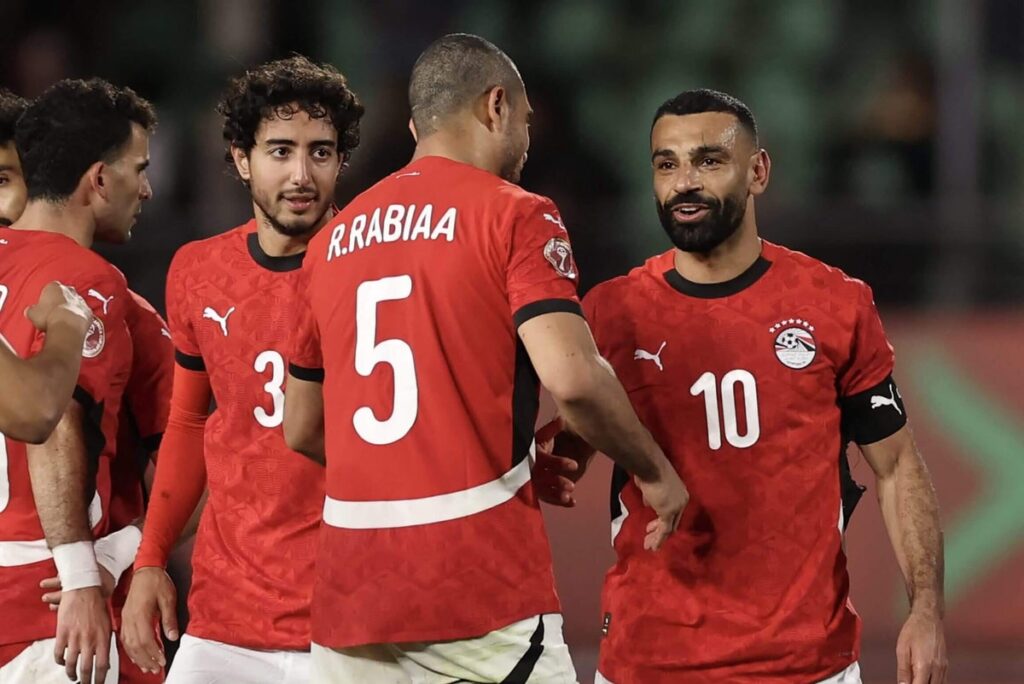
In Tamraght, a dry village on a hillside 15 kilometres north of Agadir, the main street is nicknamed for a laugh because the Champs-Elysees is a broken mess of rock where rains bring water pools, causing havoc for drivers.
Its popularity, however, has accelerated over the past decade, especially amongst hippie types, following a boom in the nearby surf town, Taghazout. They come for the waves, to eat vegan food and wind down the evening in a hostel.
This low-key settlement is separated from the Atlantic Ocean by the N1 road, which runs all the way up to Casablanca, but often gets closed in remoter parts when there are red weather warnings, like last weekend. Nearer to the beach, international hotel companies spotted the potential of the geography and moved in.
One of them is Fairmont, who have built the sprawling henna-coloured fortress where the Egyptian national football team took residence of a wing a few days before the Africa Cup of Nations (AFCON) started last month. Their hard-fought, 3-1 extra-time victory over Benin in Agadir on Monday means they will stay in Tamraght until the quarter-finals and only then, if they win that tie, will they decamp at some point to Tangier.
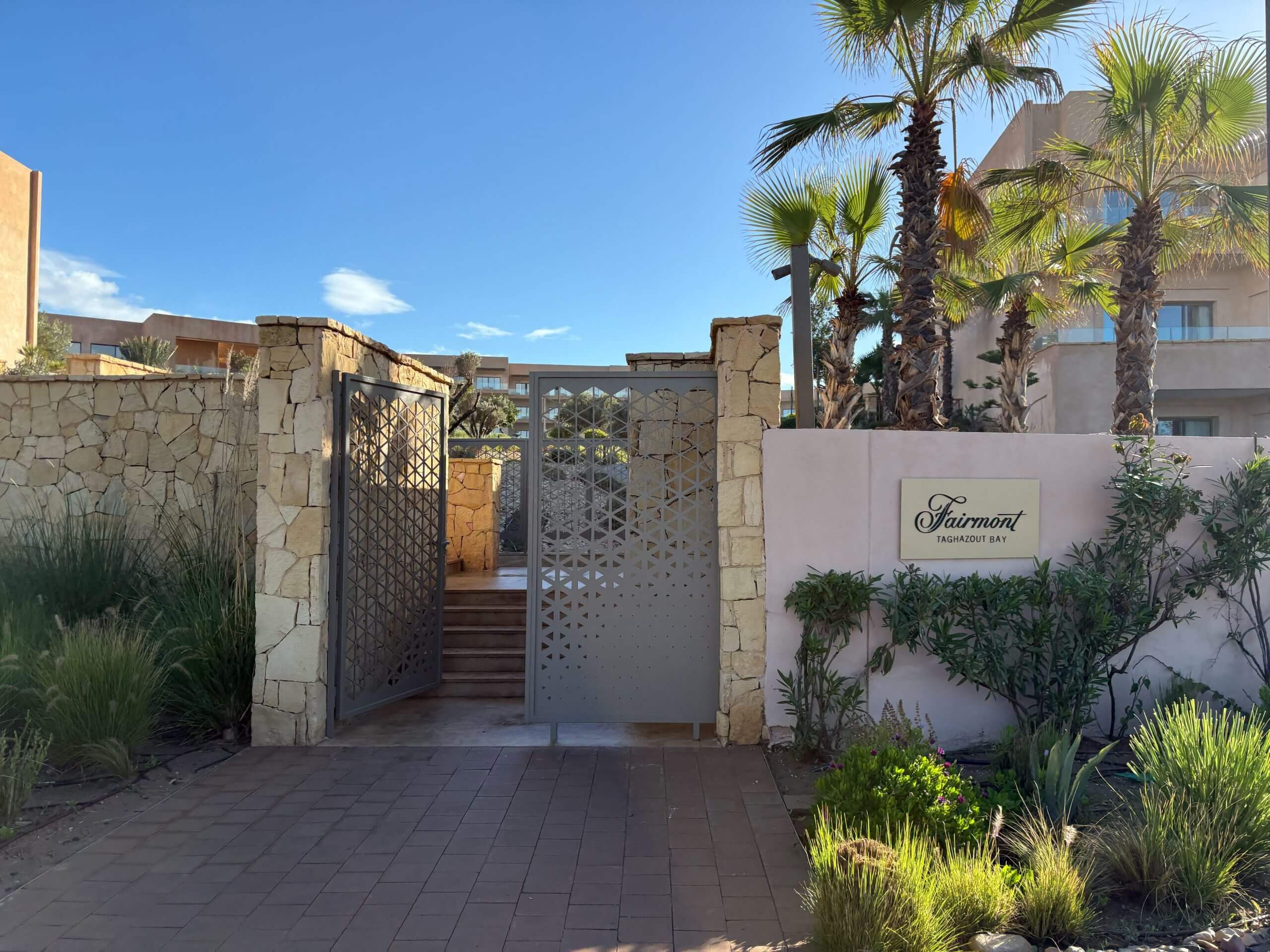
The Fairmont Hotel where Egypt are staying (Simon Hughes/The Athletic)
Egypt have had a tournament of uninterrupted logistics and unbroken comfort and this can only have helped them, even if the struggle against Benin was a mighty one. Finishing top in the group stage might prove to be crucial: by comparison, second-placed South Africa had to move on from their base in Marrakech (having already lost against Egypt in Agadir), before getting knocked out by Cameroon in Rabat. Before that game, Belgian coach Hugo Broos complained about a number of issues, including the distance from the team’s new hotel to a training facility they were sharing with competing nations.
Meanwhile, Egypt have been in the same location for nearly three weeks, quietly preparing away from the hustle of Agadir and the noise beyond. This sort of thing can matter: in the Ivory Coast in 2024, Egyptian officials regretted booking into the Tiama Hotel in Abidjan, which was just over the road from one of the city’s two host stadiums.
Great for access, yes, but there was no escape from the pressures of the tournament. Before matches involving other countries, the rooms were filled with visiting spectators and the music at the accompanying Restaurant L’Ambassadeur went on for much of the day, leaving players to fester in their tower block.
At the 2018 World Cup, Egypt had to fly thousands of miles for three games, having based themselves in Grozny, a predominantly Muslim city. Their presence in Chechnya ended up being a publicity campaign for the Kremlin-allied strongman who leads the region, Ramzan Kadyrov, who marked Mohamed Salah’s birthday by inviting him to a gala dinner.
Later that summer, Salah detailed his frustration with the organisation — or more specifically, the lack of it — when it came to suitable football preparation. In the early hours of the morning, he was receiving knocks on the door from film stars and musicians wanting photographs.
There has been none of that in Tamraght, where Salah and the rest of the Egypt squad have balcony views that stretch for thousands of miles. When Salah slides his window open each morning, he might be reminded of El Gouna on the Red Sea, where he goes on holiday because he knows he will not be disturbed. Tamraght affords a similar privacy due to its high walls and its fleet of busy security staff, who pass for caddies as they whizz around in golf buggies while dressed in white chinos and bomber jackets, clinging on to their walkie-talkies.
With gendarmerie positioning their 4x4s around the perimeter of the complex, it might not always be liberating but there is more than enough space to experience a sense of freedom. Salah, as ever, uses the gym a lot, where the treadmill looks out towards a headland called Devil’s Point. Hotel guests suggest he has been on the coastal path, walking half of the distance to Taghazout with minders before returning via the beach. He has also been seen in the hotel’s Japanese restaurant. He has been in Agadir with team-mates, riding the city’s cable car.
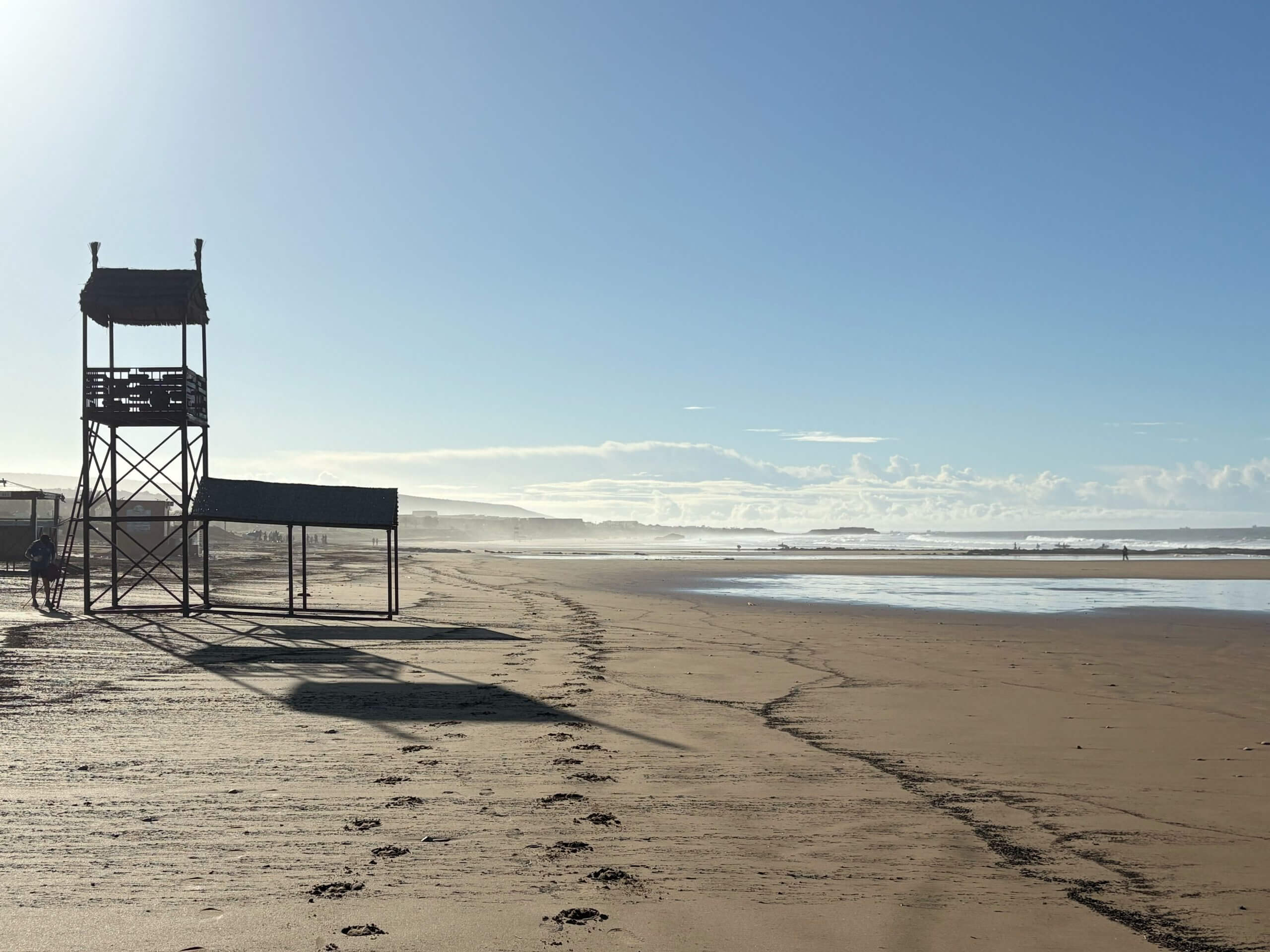
Mohamed Salah has been enjoying Egypt’s coastal base (Simon Hughes/The Athletic)
Unlike in the past, as far as planning goes, there are no obvious factors that might stop Egypt progressing through this tournament. If Salah does not win AFCON for the first time, on this occasion it will be because he has not delivered magic (three goals so far), the team is not quite good enough, or the players have not been used properly.
The coach, Hossam Hassan, is regarded as one of the country’s greatest football figures and his presence in a technical area, which he stalks throughout each game, has helped inspire a deeper sense of feeling towards the national team. Yet his coaching career at club level has been mixed and against Benin, who had scored just once (against Botswana) across three games, there was no obvious benefit of continuing with the five-man defence that helped them beat South Africa.
Hassan has wanted to get Salah closer to Omar Marmoush, the Manchester City forward who has been playing centrally for Egypt. Yet against Benin, the shape of the team meant he was sometimes isolated from those too busy filling in spaces behind him. Hassan did not change his approach in the second half but he shifted personnel, with substitutes Zizo and Emam Ashour shooting more life into midfield. Until that point, Marwan Attia had beavered around in a conservative role but these introductions gave him slightly less ground to cover and the opener was thundered in by the Al Ahly player from outside the box.
A hash of a clearance by Egypt’s 37-year-old goalkeeper Mohamed El Shenawy led to Benin’s equaliser, forced over the line by substitute Jodel Dossou. But like in two of their previous games at this stadium on the outskirts of Agadir, Egypt found a way to win, this time because of a header from the sturdy defender, Yasser Ibrahim, that took a quite ridiculous trajectory. Their passage to the quarter-finals was only confirmed in the 122nd minute when Salah broke away to score again.
Speaking to beIN Sport after the game, he would dismiss the notion that Egypt are title contenders due to the team being young, even though that does not quite stack up, and largely domestic based, which does.
This had been an unexpected grind, yet Egypt ultimately got there and until the weekend, at least, Tamraght will be theirs.