

Published on
January 6, 2026
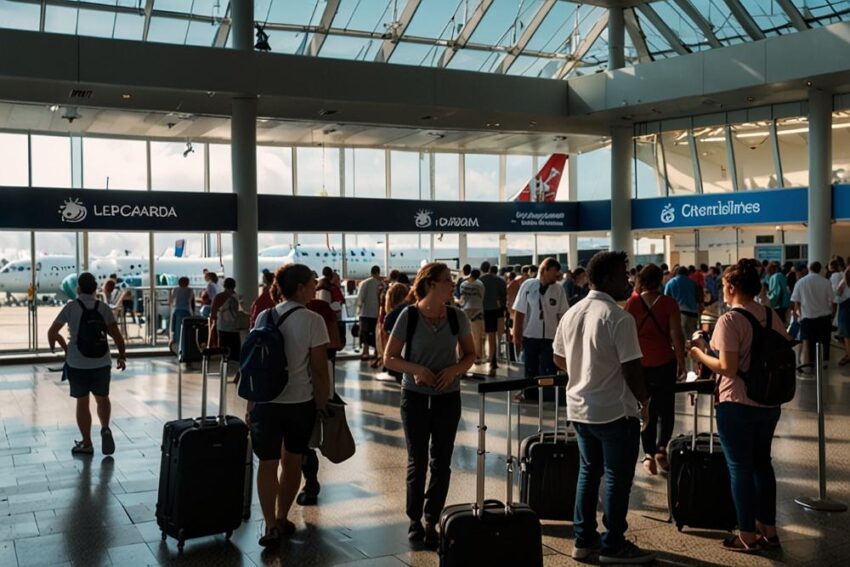
Thousands of travelers across Europe have been left stranded as severe winter weather wreaks havoc on air travel. In the UK, France, Netherlands, Germany, and Bosnia and Herzegovina, 569 flights were cancelled and 2,866 others delayed, causing major disruptions for thousands of passengers. This has affected some of Europe’s biggest airlines, including KLM, Swiss, Austrian Airlines, and Helvetic, among others. Major airports in Paris, London, Amsterdam, Munich, and Sarajevo have seen their operations severely impacted, with flight schedules thrown into disarray. Heavy snow and freezing temperatures have caused widespread chaos, leading to lengthy delays and cancellations. Passengers have been advised to check for updates from their airlines, as many are struggling to cope with the backlog of flights.
This ongoing disruption has left many travelers uncertain about when they can resume their journeys. Safety remains a priority as the adverse weather conditions continue across Europe.
Europe’s Travel Chaos: Airport and Airline Analysis
The total number of flight cancellations across Europe has reached a staggering 569, with 2,866 delays recorded. Major airports in France, the Netherlands, and the UK have been hit particularly hard by the weather, leading to widespread delays, cancellations, and operational difficulties.
Impact on Major European Airports
Airports such as Amsterdam Schiphol in the Netherlands and Paris Charles de Gaulle in France have been at the centre of these disruptions. Amsterdam Schiphol saw hundreds of flights cancelled as snow and ice made it impossible to keep runways clear, while Paris saw the closure of multiple airports due to heavy snow, causing widespread chaos for air travellers. The UK’s main airports, including London Heathrow and London Gatwick, also reported hundreds of delayed flights, while in France, Air France was particularly affected, with both flight cancellations and delays heavily impacting services.
Germany’s Frankfurt and Munich airports experienced delays as freezing temperatures and icy conditions impacted their operations, and Italy’s airports, including Rome’s Fiumicino, were not immune to the disruptions either.
Analysis of Affected Airlines
The airlines hit hardest by these conditions include KLM, which reported a significant number of cancellations and delays, alongside Air France, which was also heavily affected by the weather disruptions. easyJet saw many of its flights delayed, with hundreds of passengers left waiting at airports across Europe. German Airways, Swiss, and Lufthansa also recorded flight delays and cancellations, contributing to the overall chaos.
Smaller carriers such as Wizz Air, Volotea, and Aer Lingus were also affected, with several flights cancelled and delayed due to the icy conditions. The weather impacted operations not just at major international airports, but also at regional airports and across the skies of the Netherlands, Italy, and France.
What Affected Passengers Can Do Now
For travellers whose flights have been delayed or cancelled, there are several steps they can take to minimise the stress and disruption caused by the weather.
1. Check for Alternate Routes
Passengers affected by cancellations are advised to check for available alternate routes. Many airlines, including Air France, easyJet, and KLM, have rebooked passengers on later flights. For those flying within the EU, rebooking on another airline is also an option, but travellers should verify availability with their airline before making changes.
2. Stay Updated with Airline Notifications
Airlines are advising passengers to stay updated through their mobile apps or websites, as they often provide real-time information on the status of flights, rebooking options, and compensation procedures. Many carriers are offering compensation for affected passengers, especially those who are experiencing extended delays or cancellations due to the weather.
3. Utilize Airport Services
Airports are offering additional services for stranded passengers, including vouchers for food and accommodation, especially for those who have been delayed for several hours or overnight. It is essential to check with the respective airline or airport for such assistance.
4. Consider Rail and Ground Transportation
For passengers travelling between cities in Europe, especially in France, Germany, and the UK, rail services have been heavily affected. Eurostar services have seen cancellations and delays between Paris and Amsterdam, and domestic rail networks in the Netherlands were also affected by an IT outage. As snow continues to disrupt operations, alternative ground transport may be a better option for some travellers.
Conclusion: Preparing for Continued Disruptions
With freezing temperatures, snow, and ice expected to persist across Europe, travellers should be prepared for ongoing disruptions. The total impact on the air travel industry has been profound, with 569 cancellations and 2,866 delays causing considerable inconvenience for passengers. Those planning to travel in the coming days should continue monitoring their flight status and remain flexible in case of further delays. Given the forecast of additional snowstorms in Germany and Italy, along with continuing ice in France, it’s advisable to remain in contact with airlines for the latest updates.
In the face of such widespread disruption, travellers are advised to plan ahead, ensure they have travel insurance, and be prepared for potential changes to their itineraries. Safety should remain the top priority for passengers, as conditions are expected to worsen in the coming days across multiple regions in Europe.
Source: FlightAware and Affected Airports
