
Published on
January 7, 2026
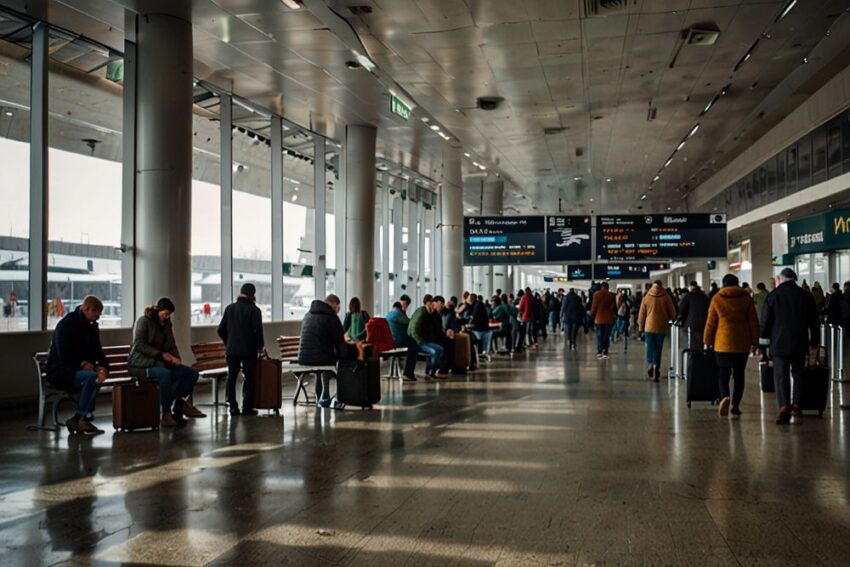
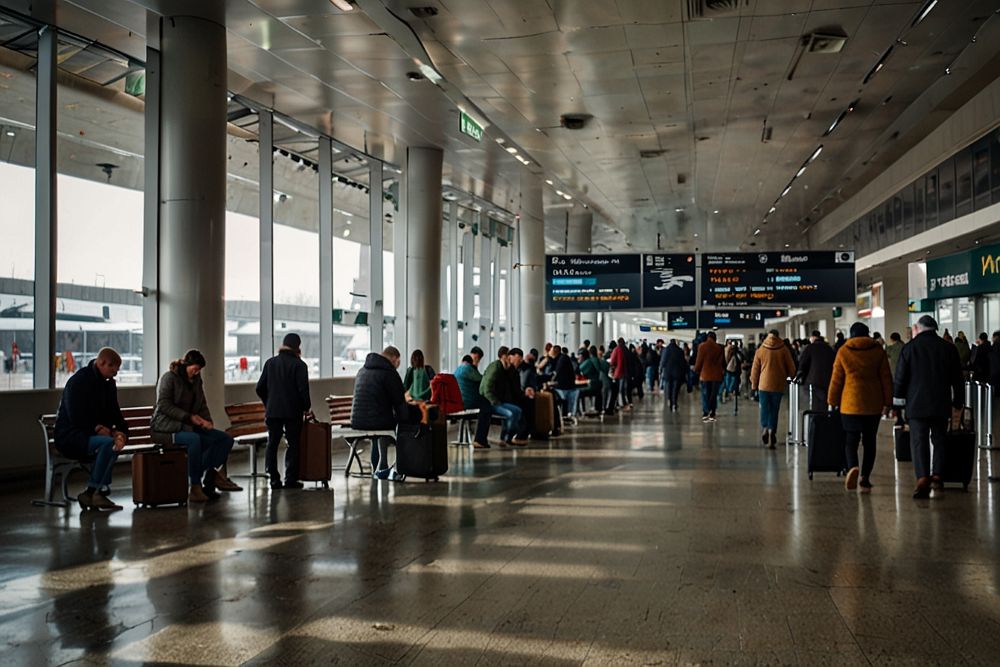
As Europe faced one of the worst winter storms in recent memory, the UK joined France, Germany, Netherlands, Greece, Italy, and Spain in a week-long battle against the worst travel disaster the continent has seen in years. Severe winter weather wreaked havoc, grounding thousands of flights and stranding countless passengers across major airports. From France’s transport ministry issuing last-minute cancellations to Germany’s major hubs being overwhelmed, each country had to quickly adapt to the storm’s shocking impact. Despite the chaos, these nations showed incredible resilience as they worked together to manage the crisis. Passengers were left scrambling, while Europe’s airports struggled to cope with the avalanche of disruptions. However, the week-long ordeal highlighted the strength of collective action in the face of nature’s fury, reminding us all of the vulnerabilities in Europe’s interconnected transport systems.
Amsterdam’s Snow‑Cloaked Runway Crisis Sends Shockwaves Through the Netherlands
Amsterdam Schiphol Airport, one of Europe’s busiest, was severely impacted by the heavy snowstorms in early January. KLM, the Netherlands’ flagship carrier, cancelled hundreds of flights as snow and ice disrupted operations. By January 6, the airline had to announce 600 cancellations for the following day due to expected heavy snowfall and strong winds. The snowstorm, combined with a shortage of de-icing fluid, crippled the airport’s ability to maintain aircraft readiness, further exacerbating the chaos.
KLM’s decision to cancel flights in advance was an attempt to mitigate last-minute shocks and reduce the number of stranded passengers. Despite this, travelers were left scrambling for alternative routes as Schiphol’s facilities could only handle a limited number of flights. A significant number of passengers were impacted by this crisis, which highlighted the fragility of air transport during severe winter conditions.
Schiphol Airport Battles Snow and Ice Amid a Shock Loss of Rail Links
On January 6, Schiphol Airport issued an urgent message explaining that only a limited number of flights could operate due to the extreme weather. The situation worsened as the snowstorm disrupted both air and rail services. The airport announced that no trains would be running to or from Schiphol until at least 18:00, leaving passengers stranded and scrambling to make alternative arrangements. The logistics nightmare at Schiphol revealed the vulnerabilities of one of Europe’s most significant airports in the face of winter chaos.
With snow crews working tirelessly to keep runways clear and aircraft de-iced, passengers were advised to check the status of their flights before heading to the airport. This severe disruption left many wondering how European airports, even major ones like Schiphol, could be so vulnerable to snowstorms.
KLM’s Shock Appeal: Safety First While Supplies Run Low
KLM was faced with unprecedented challenges as it fought to maintain flight operations in the face of extreme weather. The airline’s de-icing team, consisting of over 100 employees, worked around the clock with 25 de-icing trucks. Despite their efforts, the snowstorm continued to disrupt operations, and the airline admitted that it struggled with the availability of de-icing fluid. Supplies were running low as the company struggled to secure enough fluid from its suppliers in Germany.
In a rare display of transparency, KLM openly communicated the difficulties it faced, including the delays in de-icing fluid replenishment, which had a direct impact on its ability to clear aircraft. The airline also warned passengers about potential scammers posing as KLM customer-service staff, making the crisis even more difficult to manage.
Lufthansa Warns of Severe Disruption as German Hubs Feel the Shock
As snow hit the Netherlands, Germany’s largest carrier, Lufthansa, quickly issued a warning about disruptions to air traffic. Lufthansa’s flights to and from Amsterdam faced severe delays due to Schiphol’s weather-related issues. Passengers were encouraged to check flight statuses before arriving at the airport and were informed about free rebooking options. The disruption in Amsterdam sent ripples through Germany’s aviation system, demonstrating how interconnected Europe’s airports are and how one city’s weather chaos can have cascading effects across the continent.
Paris Orders Massive Cancellations as France’s Authorities Sound the Shock Alarm
In France, the winter storm caused widespread disruption at Paris Charles de Gaulle (CDG) and Orly airports. The French government took the rare step of directly intervening, ordering airlines to cancel 40% of flights at CDG and 25% of flights at Orly on January 7, 2026. This dramatic action highlighted the seriousness of the storm and the French government’s commitment to ensuring passenger safety during such extreme weather events. Additionally, Paris authorities suspended school bus services, adding to the widespread chaos. This swift intervention was an attempt to manage the storm’s impact, though it still left travelers stranded and frustrated.
DGAC’s Growing Cuts: From 15% to 40% – A Shock Escalation
The French Directorate General for Civil Aviation (DGAC) initially ordered airlines to reduce flights by 15% at both Paris airports on January 5 due to snow. However, as the storm worsened, these cuts were escalated to 40% and 25% respectively. This increase in cancellations underscored the unpredictable nature of winter storms and how governments sometimes need to take drastic actions to ensure safety. The cuts affected both French airlines and international carriers, disrupting global travel routes.
Greece’s Radio Failure Stuns Europe: A Technical Shock in Winter Chaos
Greece was hit by a unique crisis on January 4, 2026, when a technical failure grounded flights across the country. The Hellenic Civil Aviation Authority (HCAA) reported a “radio silence” after an “undefined noise” disrupted communication frequencies in Greek airspace. This issue compounded the winter storm’s effects, leaving airports like Athens and Thessaloniki without clear communication. The failure, which was not weather-related but coincided with the storm, caused significant delays and stranded thousands of passengers.
Greek Flights Resume Amid Shock and Criticism of Aging Infrastructure
The HCAA eventually resumed flight operations later on January 4 by switching to backup frequencies. However, the disruption raised serious questions about Greece’s air-traffic control infrastructure, which is considered one of the oldest in Europe. Passengers criticized the system’s failure, as many were left in limbo without updates or clear information on when they could resume their travel.
Italy’s Bergamo Airport Hit by Instrument Failure – A Hidden Shock Beneath the Snow
Meanwhile, Italy faced its own winter crisis. On January 5, the Italian Civil Aviation Authority (ENAC) issued a statement detailing a technical failure at Bergamo Airport that caused massive delays and cancellations. The instrument landing system (ILS) malfunctioned, affecting thousands of travelers. Although ENAC was not responsible for the failure, it took steps to monitor the situation and assist affected passengers.
Italy’s Response: Monitoring, Communication, and Shock Accountability
ENAC’s approach was focused on transparency. By acknowledging the fault lay with the air-navigation service provider, ENAC maintained a balance between accountability and minimizing passenger frustration. This proactive communication strategy helped manage the shock disruption and reassured passengers that the situation was under control.
The Domino Effect: How Amsterdam’s Shock Wave Reverberated Across Germany and Beyond
Schiphol‘s shutdown didn’t just disrupt the Netherlands; it sent shockwaves throughout Europe. Airports in Germany, Scandinavia, and the UK, which rely on Schiphol as a hub, were severely impacted. Lufthansa passengers flying through Amsterdam from cities like Frankfurt and Munich found themselves stranded. The ripple effect underscored how interconnected Europe’s air network is, with a single airport’s failure causing a continent-wide disruption.
Passenger Rights and Shock Responsibilities: Airlines Struggle to Cope
Despite the massive disruption, European airlines were obligated to respect passenger rights. Lufthansa and KLM rebooked passengers at no additional charge and provided rail vouchers for domestic journeys. While these efforts were crucial, many passengers faced long delays and confusion about refund policies. The shock of the winter weather exposed the limits of passenger rights laws in dealing with such large-scale disruptions.
Climate Patterns and the Shock of a “Snow Bomb” in Northern Europe
Meteorological agencies had warned of the severe weather sweeping through Western Europe, with warnings of a “snow bomb” across the Netherlands, France, and Germany. The snowstorm overwhelmed de-icing operations and runway clearing efforts, demonstrating that even Europe’s advanced airports are not immune to the effects of climate-driven extremes.
Unsung Heroes: De‑Icing Crews and Air‑Traffic Controllers in the Shock Frontline
Behind the scenes, de-icing crews, air-traffic controllers, and technicians worked tirelessly to maintain operations amidst the chaos. Their efforts were crucial in preventing even worse delays. These frontline workers showed immense dedication to keeping aviation running in the face of extreme conditions.
Europe’s Shock Resilience: Lessons from a Week of Aviation Chaos
The first week of January 2026 revealed both strengths and weaknesses in Europe’s aviation infrastructure. While airlines like KLM and Lufthansa communicated effectively with passengers, the disruptions highlighted the need for more resilient infrastructure. Europe must invest in better de-icing resources, modernize air-traffic systems, and create more flexible scheduling to cope with future winter storms.
Shock Solutions: How Airlines and Authorities Can Prepare for Future Storms
To prevent similar disruptions in the future, airlines and authorities must invest in redundant systems, regional stockpiles of de-icing fluid, and more flexible flight scheduling. The lessons from January 2026 must be used to build a more resilient aviation system that can withstand the shock of future winter storms.
Long‑Term Impacts: Economic and Environmental Shocks of Winter Disruptions
The economic cost of the winter disruptions was significant, with airlines incurring heavy losses and additional costs for passenger care. There were also environmental concerns, with de-icing fluid use skyrocketing. Policymakers must find a balance between economic recovery and sustainable operations when responding to future winter storms.
A Week That Shocked Europe’s Skies and Pointed to the Future
The first week of January 2026 will be remembered as a week when Europe’s skies nearly grounded to a halt. Snowfall in the Netherlands and France, technical failures in Greece and Italy, and network effects across Germany converged into a continent-wide shock. While the disruptions caused frustration, they also offer important lessons for the future. By investing in de-icing resources, modernising communication systems, and coordinating cross-border responses, Europe can build a more resilient aviation system that can withstand future shocks.
