
Published on
January 7, 2026
By: Paramita Sarkar
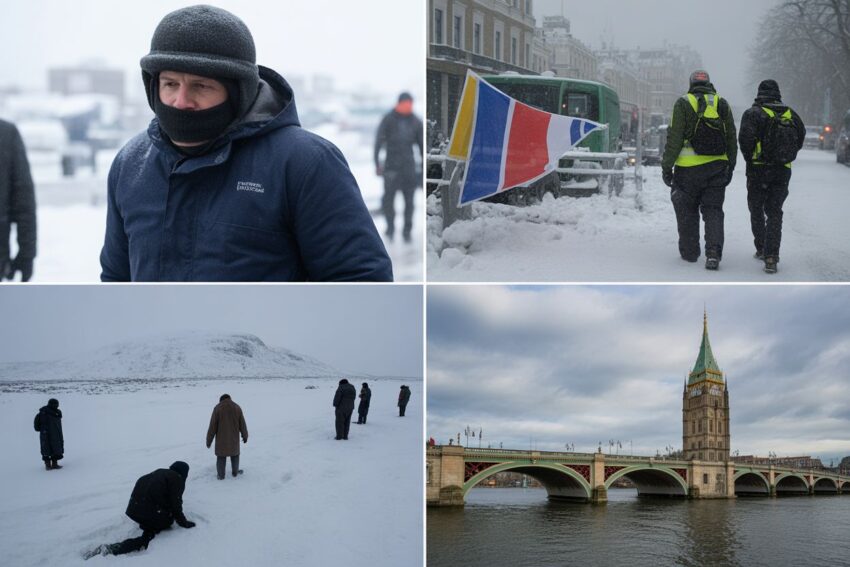
A severe winter storm has wreaked havoc across Europe, causing widespread travel disruptions, hazardous road conditions, and fatalities in the Netherlands, France, Germany, the United Kingdom, and Bosnia. According to verified reports from the Royal Netherlands Meteorological Institute (KNMI), Schiphol Airport, and the French Ministry of Transport, the situation remains critical as of Wednesday, January 7, 2026. With the storm continuing to impact multiple countries, travelers are urged to avoid non-essential travel and stay informed through official channels.
Where the Storm Has Hit
As of January 7, 2026, the winter storm is affecting major regions across Europe, including the Netherlands, France, Germany, Bosnia, and the United Kingdom. The storm has led to cancellations at some of Europe’s busiest airports, delays on major rail networks, and severe road disruptions due to icy conditions and heavy snowfall.
The Netherlands: A National Crisis
In the Netherlands, the situation remains particularly critical, with a Code Orange weather warning in effect for much of the country. The warning, issued by the KNMI, came into force at 6:00 AM JST on January 7, signaling the intensity of the storm. Schiphol Airport, one of Europe’s busiest hubs, has experienced widespread flight disruptions. On January 6, more than 400 flights were grounded, following the cancellation of approximately 560 flights on Monday. As of Wednesday, airlines have preemptively cancelled 60% of their scheduled flights, including 327 departures and 313 arrivals.
The national railway operator (NS) has also reported significant disruptions, with trains resuming operation only after a total shutdown on Tuesday morning. Travelers are advised to avoid non-essential journeys, as frozen switches and heavy snow are continuing to block key routes around Amsterdam and Utrecht. On the roads, Rijkswaterstaat, the Dutch infrastructure agency, has warned of extremely challenging driving conditions, with up to 7 cm of fresh snow expected to accumulate on top of existing ice, leading to a “very heavy” morning commute.
France: Fatalities and Airport Closures
In France, the storm has claimed at least five lives, including three fatalities in the Les Landes region due to accidents caused by black ice. A taxi driver in the Île-de-France region (Paris) also lost his life when his vehicle plunged into the Marne River, and another driver was killed in a collision with a heavy goods vehicle east of Paris. The storm’s impact has led to widespread flight cancellations, with around 40% of flights at Charles de Gaulle and 25% at Orly Airport cancelled for Wednesday morning. Six regional airports in the north of the country remain closed due to severe weather conditions.
Germany: Frozen Tracks and Airport Delays
Germany is also facing major disruptions. Frankfurt and Munich airports reported over 1,200 flight delays on Monday and Tuesday, while Deutsche Bahn, the national rail operator, reported iced-over overhead lines north of Hanover, leading to delays and cancellations on some major rail routes. The storm’s icy conditions have caused significant disruption to travel, with some regional services completely suspended due to frozen infrastructure.
United Kingdom: Schools Closed and Snow Forecasts
The United Kingdom has not been spared from the storm’s wrath. Temperatures in Norfolk plummeted to -12.5°C, and hundreds of schools in Scotland and northern England were closed as a result of the extreme weather. Heavy snow is forecasted for Northern Scotland, where further disruptions to travel are expected. The country is bracing for continued cold temperatures and severe conditions as the storm moves through.
Bosnia: Fatalities Amidst Heavy Snow
In Bosnia, a woman tragically died in Sarajevo after being struck by a tree that collapsed under the weight of heavy snow. The winter storm has been particularly harsh in this region, causing widespread disruptions to both transportation and daily life.
How the Storm Is Affecting Travel
The winter storm has caused extensive disruption to air, rail, and road travel across Europe, leading to delays, cancellations, and hazardous conditions for travelers. At Schiphol Airport in the Netherlands, more than 400 flights were grounded on January 6, with airlines canceling a significant portion of their scheduled services on January 7. The situation remains fluid, and travelers are advised to check flight statuses regularly through the Schiphol Live Flight App and their respective airlines.
Rail travel in the Netherlands is also significantly affected, with the national railway operator reporting “significant disruption” due to frozen tracks and heavy snow. While some services have resumed after a total shutdown on Tuesday, travelers are encouraged to avoid non-essential travel. The situation in France, Germany, and the UK is similarly dire, with major delays and cancellations reported at airports and on rail networks. In France, Charles de Gaulle and Orly airports saw major cancellations on Wednesday morning, and several regional airports remain closed.
Casualties and Accidents
As of January 7, 2026, at least six fatalities have been confirmed across Europe due to the severe winter conditions. In the Netherlands, the freezing temperatures and hazardous roads have contributed to several fatalities. France has reported five deaths, including three people killed in accidents caused by black ice in the Les Landes region and a tragic taxi incident in Paris. A driver was also killed in a collision with a heavy goods vehicle east of Paris. In Bosnia, a woman lost her life after being struck by a tree that collapsed under the weight of the snow.
How to Stay Safe and Updated
As Europe continues to battle the impact of this deadly winter storm, travelers are advised to stay up-to-date with real-time information and to take precautions when traveling. Official sources such as KNMI (Netherlands), Météo-France, and the Met Office (UK) are providing up-to-date weather alerts and warnings. Passengers are encouraged to check flight information via the Schiphol Live Flight App and their respective airline notification systems. For rail travel, passengers in the Netherlands should monitor updates via NS.nl, while those in Germany should stay informed through Deutsche Bahn.
Authorities across Europe continue to monitor the storm’s progress, with additional snowfall and freezing conditions expected throughout the week. Travelers should expect further delays and disruptions, particularly in the affected areas, and should consider delaying or rescheduling non-essential travel until conditions improve.
Conclusion
The winter storm sweeping across Europe has caused significant disruption, with thousands of flight cancellations, rail delays, hazardous road conditions, and tragic fatalities. The Netherlands, France, Germany, the United Kingdom, and Bosnia have all been severely impacted, and travelers are urged to stay informed through official channels. As conditions remain dangerous, the storm’s full impact will likely continue to unfold in the coming days. Travelers are advised to take extra care and to monitor real-time updates to ensure their safety.
