
By Alimat Aliyeva
Estonia plans to complete the construction of border
infrastructure along its eastern frontier with Russia by the end of
2027, Azernews reports.
This was announced by Veiko Kommusaar, a representative of the
Police and Border Guard Board (PPA).
According to Kommusaar, all work scheduled for 2025 has already
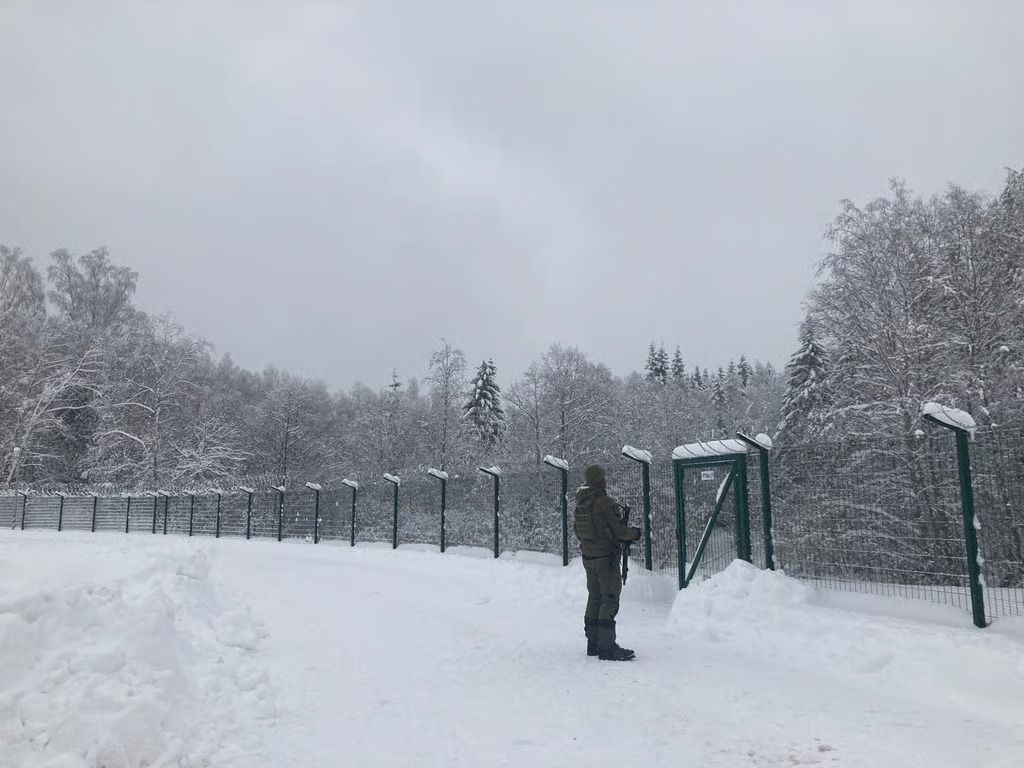
been completed. Fences have been installed along sections of the
land border where they were necessary, taking into account natural
terrain features. By the end of last year, permanent border
infrastructure was also established at the ends of the Saatse
Sapoga passages. Water and swampy sections of the border are being
secured using alternative methods.
Last year, construction focused on two major sections of the
land border, totaling approximately 47 kilometers.
“The completed works include access roads and patrol routes, the
installation of surveillance masts and fences, and the
infrastructure needed for the deployment and commissioning of video
surveillance and monitoring systems. In previous years, border
infrastructure projects covered about 63 kilometers,” Kommusaar
explained.
As the project progresses, the need for additional
infrastructure has grown, meaning work will continue through
2026–2027. Fences are now planned for areas that were not
previously included, including territories that were originally
slated for exchange with Russia.
The PPA also plans to expand infrastructure along the Narva
River: in addition to five monitoring positions already built, nine
more are currently under construction. For the final 15-kilometer
section of the land border, which has not yet received funding, the
agency, together with the Ministry of Internal Affairs, intends to
request additional government financing and apply for EU funds to
purchase monitoring equipment.
According to Kommusaar, the goal of the project is to create a
modern, effectively secured border where surveillance systems,
physical barriers, and advanced control centers work in tandem.
Estonian project is not just about fences and cameras—it
reflects a broader trend in Europe toward “smart borders,” where
technology and physical infrastructure combine to create flexible,
adaptive security solutions. Once complete, Estonia’s eastern
border could serve as a model for modern border management in
regions facing complex security challenges.