
Published on
January 8, 2026
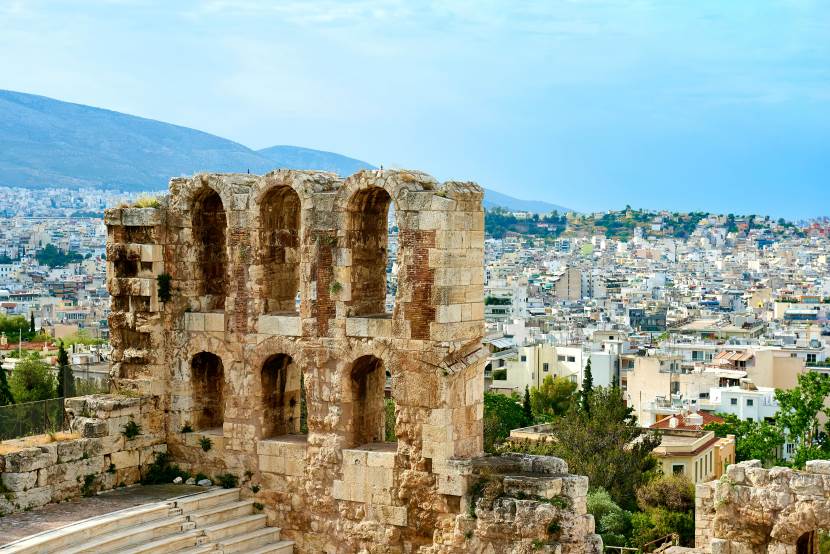
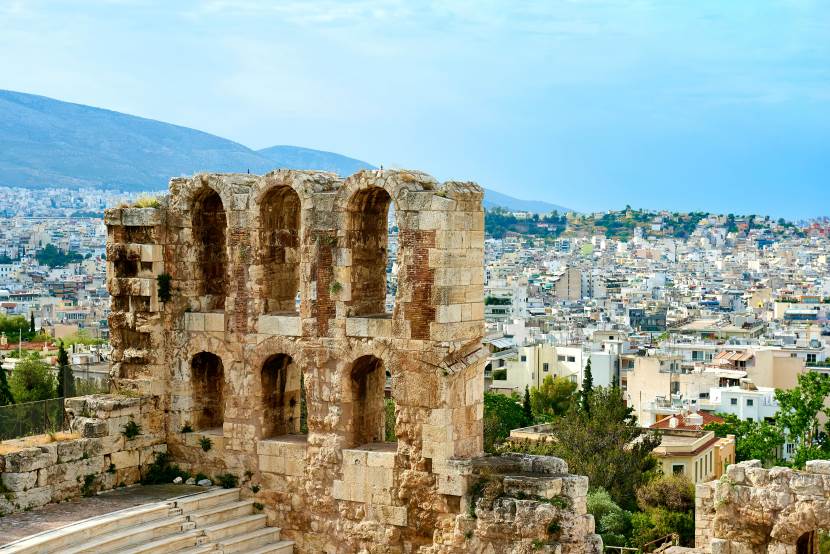
The landscape of the historic Makriyianni district is prepared for a significant transformation as plans for a new cultural complex are advanced by the Hellenic Ministry of Culture. This ambitious project is centered around the revitalization of the Weiler Building, a structure of immense architectural and historical value situated in the shadow of the Acropolis. By repurposing this landmark, the state aims to create a bridge between the ancient past and the modern cultural identity of Greece. The initiative is seen as a critical step in enriching the visitor experience within the capital while ensuring that the architectural integrity of the area is maintained for future generations.
The decision to move forward with this development was solidified following a comprehensive review by the Central Council of Architecture. The approval of the architectural study marks the commencement of a new era for the site, which has long been recognized for its potential to serve as a focal point for Athenian culture and tourism. It is envisioned that the complex will not only house exhibitions but also serve as a space for research, education, and the celebration of traditional Greek craftsmanship.
The Historical Significance of the Weiler Building
Constructed during the 19th century, the Weiler Building stands as one of the most prominent examples of German neo-Renaissance architecture in Athens. It was originally designed by the engineer Wilhelm von Weiler to serve as a military hospital, a purpose it fulfilled for many decades. Its robust stone masonry and distinctive arched windows have made it a recognizable fixture of the Koukaki and Makriyianni neighborhoods. Over the years, the building has transitioned through various roles, including serving as the headquarters for the Gendarmerie and later being utilized by the Ministry of Culture for administrative and storage purposes.
The building’s proximity to the Acropolis Museum and the Dionysiou Areopagitou pedestrian walkway places it at the very heart of the city’s archaeological zone. Because of this prime location, the structure is regarded as an ideal candidate for a high-profile cultural intervention. The upcoming renovation is expected to address the wear and tear accumulated over the centuries, ensuring that the structural stability is reinforced while the aesthetic charm of the facade is meticulously preserved.
Detailed Architectural Plans and Renovations
The revitalization of the site is governed by a meticulous architectural study that prioritizes the conservation of original elements. The passive voice is utilized throughout the planning phases to ensure that the focus remains on the structural evolution rather than the individual actors. The basement, ground floor, and upper levels are scheduled for comprehensive refurbishment. Modern climate control systems and accessibility features, such as elevators and ramps, are to be integrated into the design to ensure that the facility meets contemporary standards for public buildings.
Great care is being taken to ensure that the internal layout is optimized for museum standards. Large, open halls are to be created to accommodate permanent and temporary exhibits. The surrounding courtyard is also included in the renovation scope, with plans to transform the outdoor space into a lush, landscaped area that provides a tranquil environment for visitors. This green space is intended to serve as a natural extension of the museum, offering views of the Parthenon while providing a buffer from the urban bustle of the surrounding streets.
The Museum of Traditional Crafts
A primary feature of the new complex is the relocation and expansion of the Museum of Greek Folk Art and the Museum of Traditional Crafts. These institutions are dedicated to the preservation of the tangible and intangible heritage of the Greek people. Within the walls of the Weiler Building, an extensive collection of costumes, tools, ceramics, and textiles is to be displayed. These artifacts represent the daily lives and artistic expressions of Greeks from various regions, including the Peloponnese, the Aegean Islands, and Epirus.
The collaboration with the Peloponnese Folklore Foundation is highlighted as a key element in the curation of the new exhibits. By integrating these collections into a single, cohesive space, a more comprehensive narrative of Greek history can be presented. The evolution of craftsmanship, from ancient techniques to pre-industrial methods, is to be explored through interactive displays and curated galleries. This move is expected to elevate the status of folk art, placing it on a level of prominence alongside the classical antiquities found nearby.
Integration with the Acropolis Archaeological Site
The spatial relationship between the new cultural complex and the Acropolis is a fundamental aspect of the project’s philosophy. By creating a cultural hub at the base of the sacred rock, a continuous historical narrative is established for the visitor. The transition from the monumental classical architecture of the 5th century BC to the 19th-century industrial and military heritage represented by the Weiler Building allows for a deeper understanding of the layers of Athenian history.
The development is also intended to alleviate some of the foot traffic pressure on the main archaeological sites. By providing an additional high-quality destination in the immediate vicinity, the flow of tourists can be managed more effectively. The synergy between the Acropolis Museum and the new complex is expected to create a unified cultural district, encouraging visitors to spend more time exploring the lesser-known aspects of Greek heritage.
Economic and Social Impact on Athens
The execution of this project is anticipated to bring significant economic benefits to the local community. The construction phase will generate employment, while the long-term operation of the museum will require a diverse staff of curators, educators, and administrative personnel. Furthermore, the increase in cultural offerings in the Makriyianni area is likely to bolster the local hospitality and retail sectors.
Beyond the economic implications, the social value of the project is immense. The complex is designed to be an inclusive space where residents and tourists alike can engage with history. Educational programs for schools and workshops for adults are planned, fostering a sense of community ownership over the heritage site. The revitalization of a long-closed historic building into a vibrant public space is a testament to the city’s commitment to urban renewal through culture.
Future Milestones and Completion
While a specific completion date is subject to the progress of construction and restoration, the Ministry of Culture has indicated that the project is a high priority. Funding has been secured through a combination of national resources and European Union programs, ensuring that the work can proceed without significant delays. Regular updates are to be provided as the renovation reaches key milestones, such as the completion of the structural reinforcement and the beginning of the interior fit-out.
The transformation of the Weiler Building into a modern cultural landmark is a bold statement of intent for the future of Athens. It represents a balance between the preservation of the past and the needs of a modern, global city. Once the doors are opened, the complex will stand as a tribute to the enduring spirit of Greek creativity and the architectural legacy of the 19th century.
