
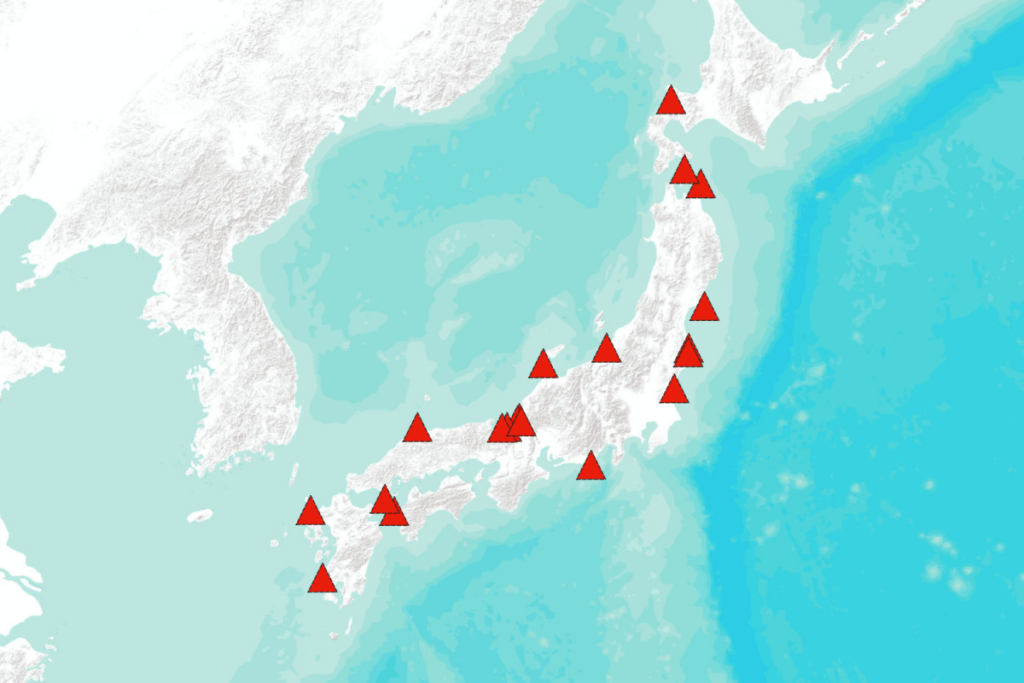
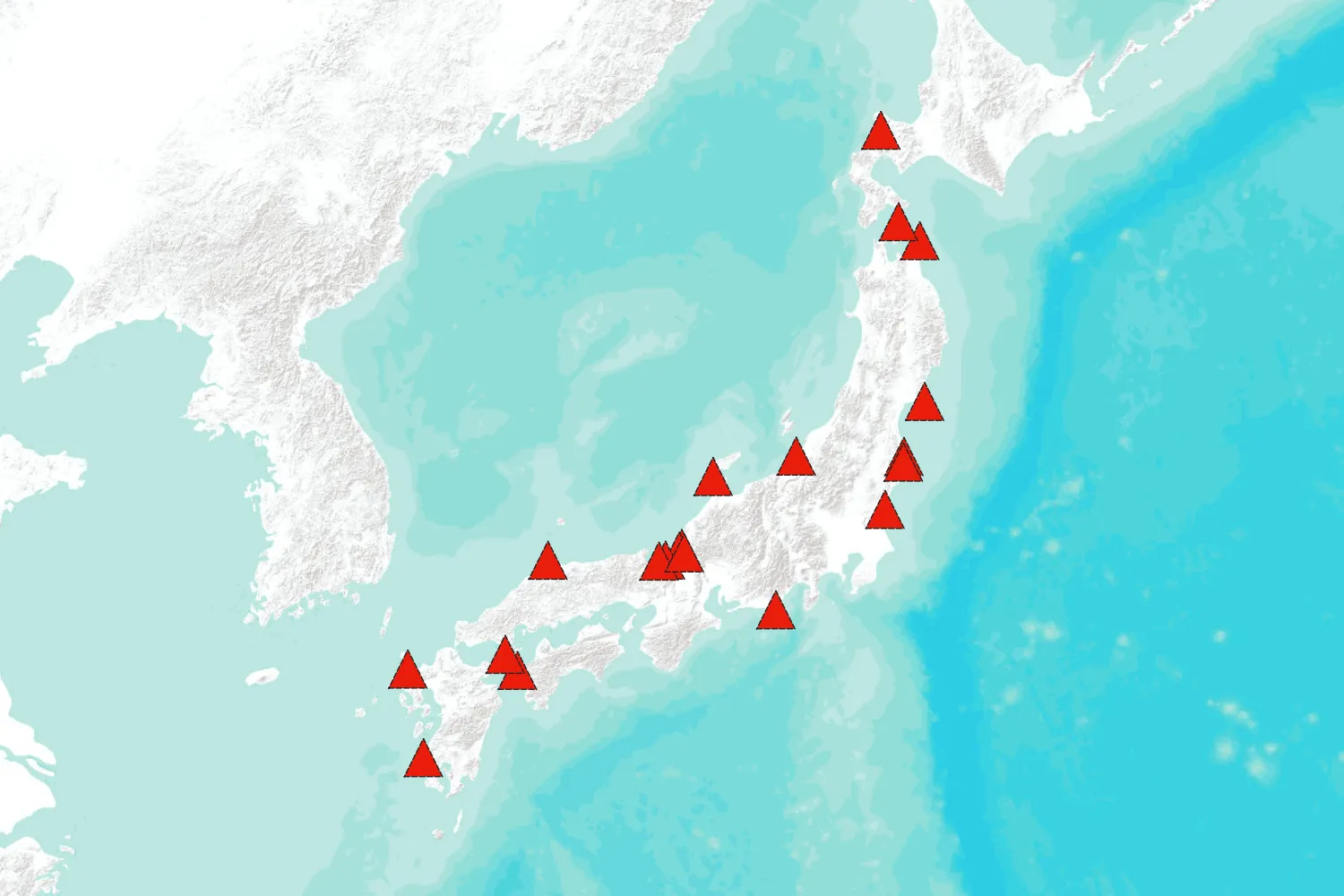
With Japan preparing to restart a nuclear reactor, the world’s largest, in the coastal prefecture of Niigata, a Newsweek map shows the locations of the country’s nuclear power plants.
Why It Matters
Japan is set to reactivate its 15th reactor, marking the first restart by Tokyo Electric Power Company (TEPCO)—the nation’s largest utility and operator of the Fukushima Daiichi plant—since the 2011 tsunami triggered a meltdown at the facility. That disaster was the world’s worst nuclear accident since Chernobyl and led to the shutdown of all 54 reactors nationwide.
Public support for nuclear energy has gradually rebounded, driven by stricter safety regulations and soaring electricity costs linked to heavy reliance on imported fossil fuels.
Newsweek reached out to Tokyo Electric Power Company Holdings by email for comment.
What To Know
One of the seven reactors at Niigata at Niigata Prefecture’s Kashiwazaki-Kariwa plant is scheduled to resume operations around January 20 following local government approval.
Currently, 14 reactors are operating across eight plants on Honshu, Shikoku, and Kyushu. Another 10 reactors, including one in Hokkaido, await restart approval, while two remain inoperable with uncertain futures.
Prime Minister Sanae Takaichi has championed nuclear power and advanced technologies such as nuclear fusion in pursuit of energy self-sufficiency, placing less emphasis on renewables.
Yet this push has not been without setbacks. On Monday, Japan’s nuclear regulator announced it had uncovered “wrongdoing” by Chubu Electric, citing a whistleblower report that the company submitted seismic data differing from internal figures during a safety review of the Hamaoka plant, Japan Today reported.
The Shizuoka Prefecture facility sits near the Nankai Trough, an underwater zone prone to seismic activity where a “megaquake” is expected within decades—an event that could cause 298,000 deaths and $2 trillion in damage, according to government estimates.
What People Are Saying
Tomoaki Kobayakawa, president of TEPCO, told members of the Japan Business Federation during a recent plant tour, per Reuters: “The use of nuclear energy is essential in Japan, which has few resources.”
Prime Minister Sanae Takaichi said during an October 24 policy speech to the National Diet: “Such initiatives [to leverage decarbonized energy sources] will be premised on gaining the understanding of the local communities and on giving due regard to environmental impacts. We will also strive for the early practical adoption in society of next-generation advanced reactors and fusion energy.”
Hideyo Hanazumi, governor of Niigata, told Takaichi in December after approving the restart, per the Japan Times: “Many residents in the prefecture still feel uneasy about the restart, and many harbor distrust toward the operator.”
What Happens Next
Japan aims to generate about 20 percent of its electricity from nuclear power by 2030, down from roughly 30 percent in 2011, according to the World Nuclear Association.
A Jiji Press survey of 2,000 Japanese people released last month found 44.7 percent support reviving nuclear power, with 26 percent opposed.