
Published on
January 8, 2026
Slovenia closed 2025 with record-breaking tourism figures, attaining 7 million tourist arrivals and 17.9 million overnight stays, the highest numbers in its history. But instead of focusing on sheer volume, Slovenia’s tourism bosses focus on a more sustainable, more lucrative metric: visitor value over volume. It is an approach that forms part of Slovenia’s strategy in managing tourism growth to benefit the local economy and the environment, too, offering a rare counterpoint to the challenges of overtourism so many of its neighbors face.
Slovenia’s Tourism Growth: A Success Built on Sustainable Foundations
In 2025, Slovenia’s tourism industry achieved significant success, surpassing previous records for both arrivals and overnight stays. However, the government and tourism officials are keen to emphasize that these numbers are not the ultimate goal. “We are not chasing mass tourism,” said Slovenia’s tourism leadership. “Instead, we are shaping a tourism model that works for residents, nature, and long-term sustainability.”
The country’s focus on high-value tourism—such as luxury travel, gastronomy, wellness, and outdoor experiences—has become the backbone of its tourism strategy. Officials are committed to making Slovenia a destination where visitors spend more on quality experiences, rather than merely increasing the number of tourists.
Slovenia’s Unique Position in Central and Southeast Europe
In a region where tourism growth is often pursued through volume, Slovenia’s strategy stands out. Its neighbors, such as Croatia, Austria, and Italy, have seen large increases in visitor numbers, which come with their own challenges.
- Croatia recorded 21.8 million arrivals and 110.1 million overnight stays in 2025. The coastal resorts remain popular, but authorities are beginning to warn of the dangers of price inflation and overcrowding, which could dampen future growth.
- Austria hosted approximately 137.6 million overnight stays between January and October 2025. While its tourism infrastructure is strong, the country faces challenges such as labor shortages and the environmental impact of climate change on alpine regions.
- Italy, Europe’s tourism giant, continues to attract millions of visitors to cities like Rome, Venice, and Milan, with some destinations now experimenting with visitor caps and access fees to control the flow.
By contrast, Slovenia is betting on quality over quantity. While the country’s tourism numbers continue to rise, the focus is on increasing revenues through niche markets and year-round tourism, rather than just expanding the number of visitors during peak seasons.
Diversification and Sustainability: Slovenia’s Strategy for the Future
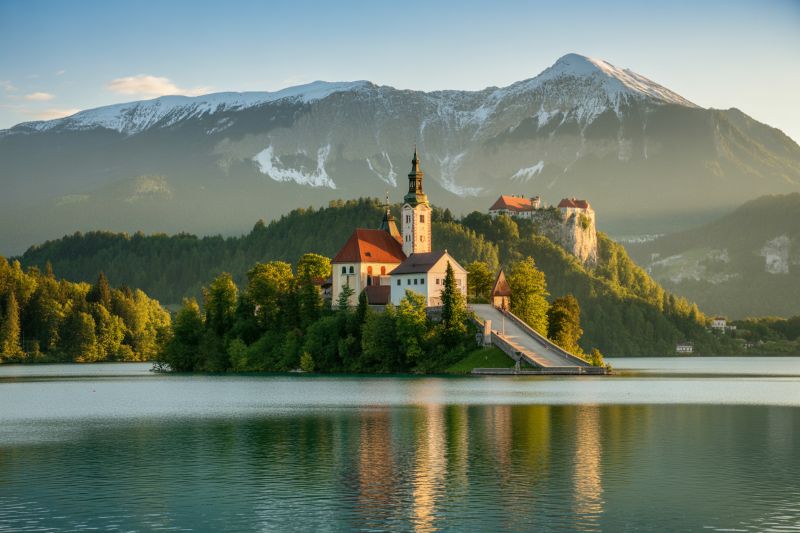
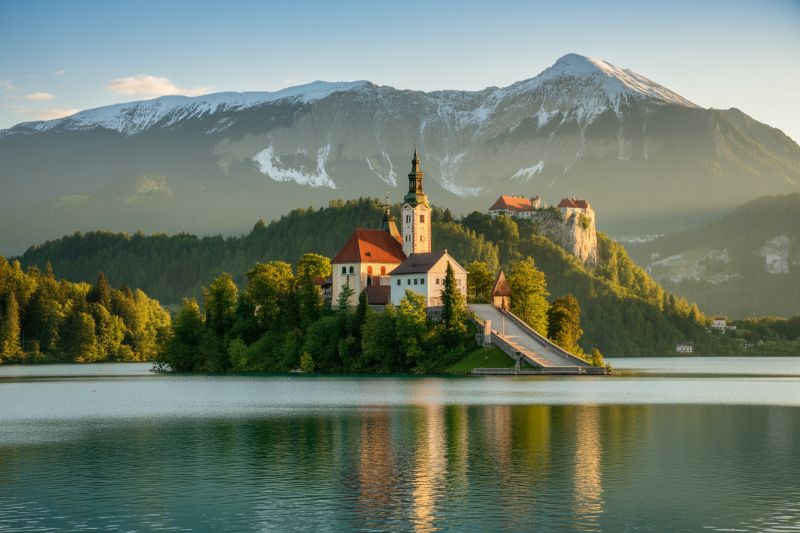
One of the key elements of Slovenia’s tourism strategy is its emphasis on off-season travel and the geographic dispersion of visitors. The government is working to spread tourism across different regions of the country, beyond the popular Lake Bled and Ljubljana, and to encourage more visitors during the shoulder seasons.
In addition, Slovenia is making strides in sustainability, with the Green Scheme of Slovenian Tourism now covering most destinations. This program promotes environmentally responsible tourism, ensuring that both locals and visitors benefit from a cleaner, more sustainable environment. Slovenia’s approach to governance has also been instrumental in supporting these efforts. The government tracks more than 60 indicators related to tourism impacts, including water use, energy consumption, and local sentiment, to inform policy decisions and monitor sustainability.
A Focus on High-Value Niches: Gastronomy, Wellness, and Outdoor Experiences
Slovenia’s tourism strategy also places a strong emphasis on developing high-value niches such as gastronomy, wellness, and outdoor adventures. The country’s diverse landscapes—from the Alps to the Mediterranean—offer a wealth of opportunities for outdoor activities like hiking, skiing, and cycling. Slovenia is also building a reputation for its culinary scene, with an emphasis on local produce, wine tourism, and traditional dishes. Wellness tourism is another growing sector, as Slovenia’s natural spas and eco-friendly retreats attract health-conscious travelers looking for relaxation and rejuvenation.
These specialized niches allow Slovenia to target a specific type of traveler who is willing to spend more on quality experiences, rather than mass tourism products. By focusing on these high-value niches, Slovenia aims to create a more sustainable tourism model that benefits both its economy and its local communities.
The Growing Appeal of Slovenia’s Sustainable Tourism Model
Slovenia’s tourism strategy has positioned it as a model for sustainable growth in a region often dominated by overtourism. The country is gaining attention as a destination that prioritizes the long-term benefits of tourism, not just immediate economic gain. Its efforts to balance tourism growth with environmental sustainability, and to encourage more off-season and diversified travel, are setting it apart from its neighbors.
As Europe braces for another decade of intense travel demand, Slovenia’s approach could serve as a bellwether for other small, high-pressure destinations. Its commitment to sustainability, diversification, and high-value tourism could offer a blueprint for other countries seeking to manage the pressures of overtourism while still benefiting from a thriving tourism industry.
Slovenia’s Path to a Resilient Tourism Future
Slovenia’s tourism strategy for the future is not about chasing mass tourism or growing numbers for the sake of it. Instead, it is about focusing on the long-term resilience of its tourism sector through higher spending per visitor, sustainability, and off-season growth. By focusing on quality, not just quantity, Slovenia is positioning itself as a rare counterweight to the overtourism challenges that many destinations in Central and Southeast Europe face.
