
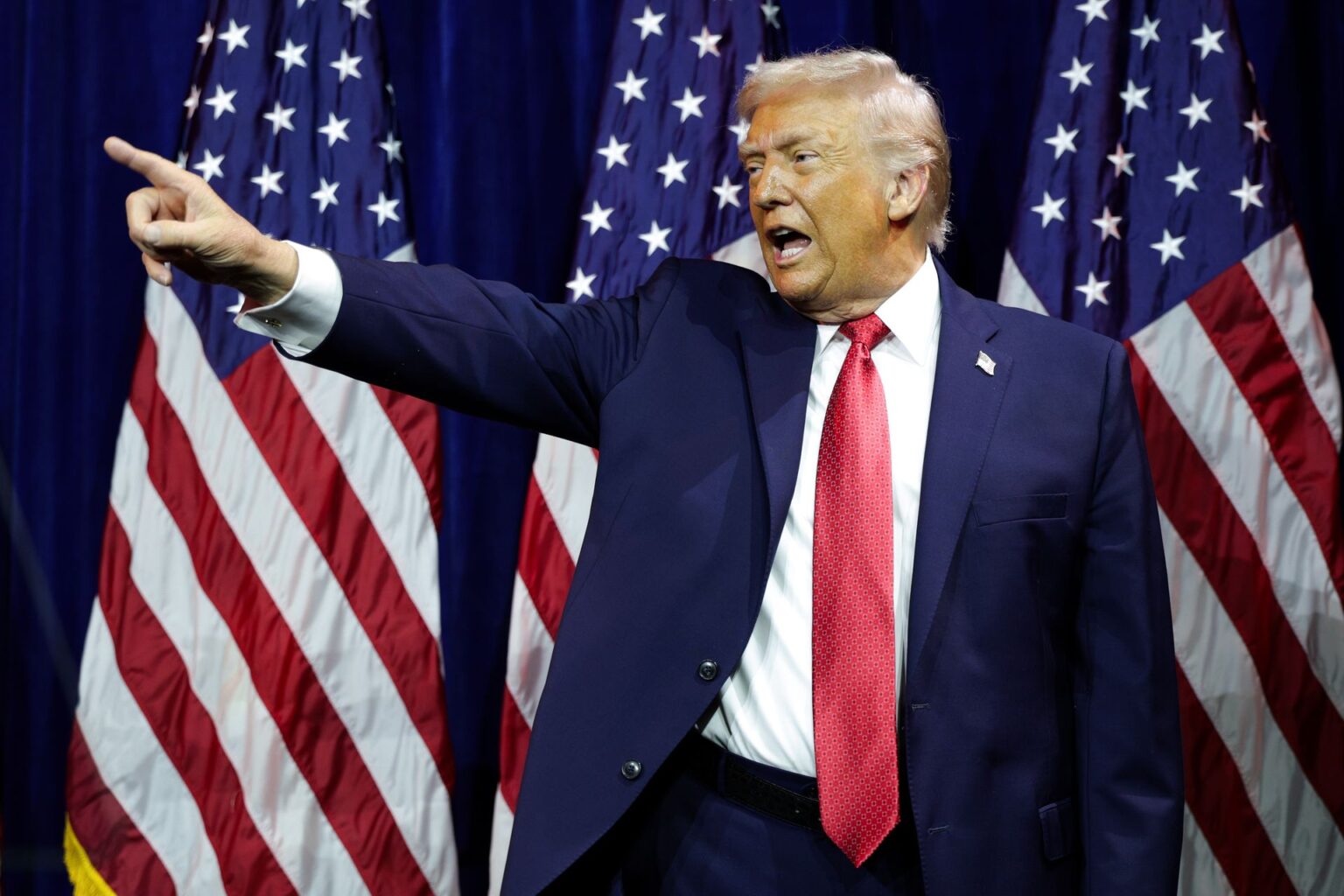
U.S. President Donald Trump in Washington, DC, U.S. on Jan. 6, 2026. (Alex Wong / Getty Images)
The European-U.S. alliance, already buckling under the Trump administration’s aggressive foreign policy, faces its most daunting challenge yet — Greenland.
U.S. President Donald Trump recently reiterated his dubious claim on Denmark‘s autonomous island, fanning fears about the fragility of transatlantic unity at the worst possible moment.
European leaders must now balance between standing up to Washington’s expansionism and their reliance on the U.S. backing in the face of Russian aggression in Ukraine and beyond.
Experts fear that the step could distract the allies’ attention and shatter their unity as they seek to provide security guarantees to Kyiv.
As Trump refuses to back down, Danish Prime Minister Mette Frederiksen warns that a hostile takeover of Greenland would effectively mean the end of NATO.
This scenario is sparking fears among the alliance’s eastern members, whose frontiers would suddenly become much more vulnerable to Russian aggression.
“Even if NATO were to withstand this turbulence, Russia… might miscalculate and attempt to expand its imperial wars directly against a NATO member state,” hoping that “Article 5 would no longer function,” says Marko Mihkelson, chairman of the Estonian parliament’s Foreign Affairs Committee.
Washington eyes Greenland
Talking to reporters on Jan. 4, Trump declared that the U.S. “need(s) Greenland from the standpoint of national security,” earning a pushback from Danish and Greenlandic authorities.
The world’s largest island, an autonomous territory of Denmark, is home to over 56,000 residents and already hosts a U.S. military base. Its location makes it strategically important for access to the Arctic region, and the land holds vast mineral wealth and suspected fossil fuel deposits.
U.S. Secretary of State Marco Rubio, who is meeting Danish officials next week, reportedly told American lawmakers that Trump intends to buy the ice-covered island from Copenhagen.
Even such an approach, according to Constanze Stelzenmuller, an expert on transatlantic relations at Brookings Institution, would be effectively coercive with “lethal consequences for NATO.”
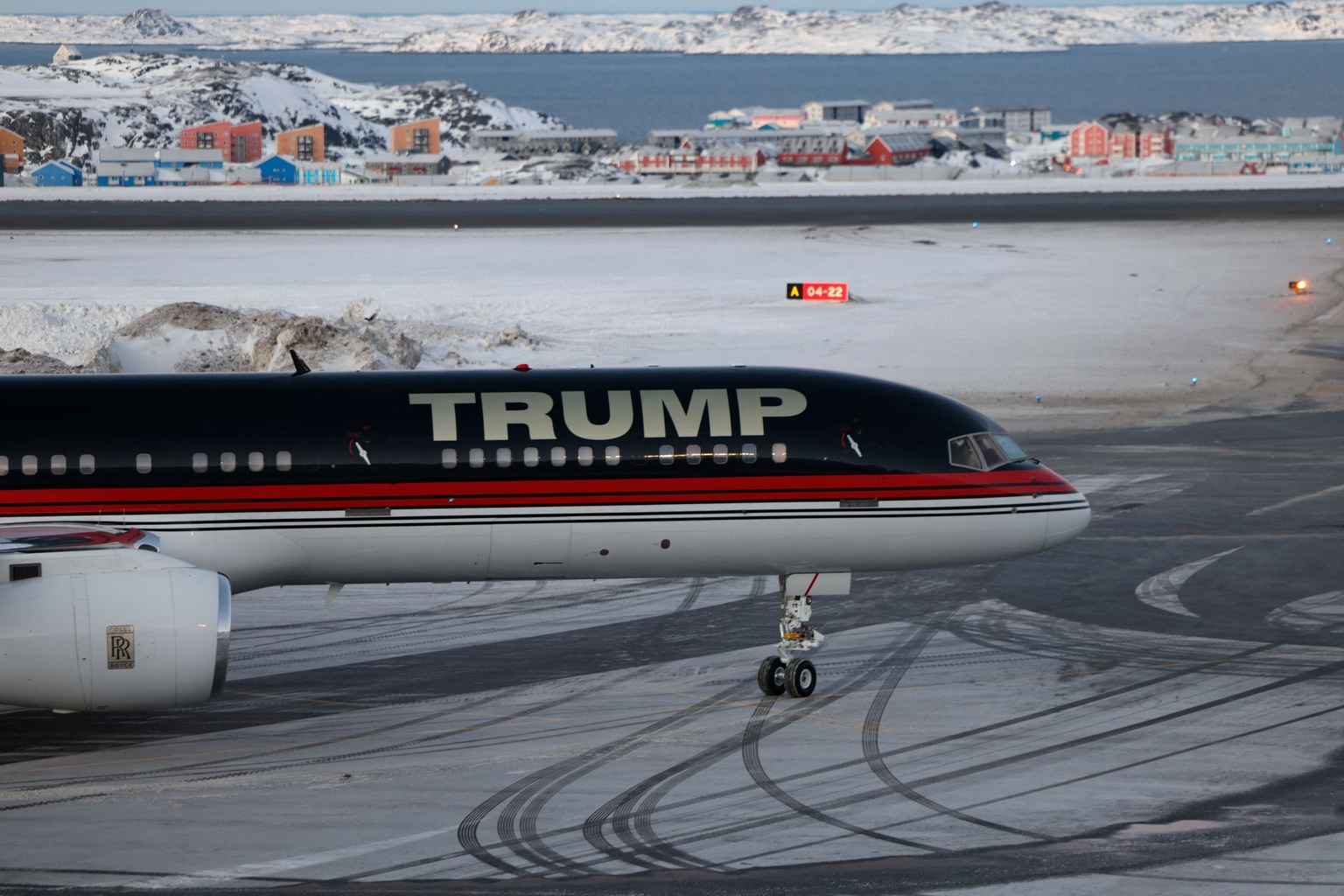
Despite Rubio’s comments, the White House did not rule out the use of military force to wrest the territory from its ally.
“If Trump decides to act in the same way as Putin did in 2014, the consequences will be quite similar.”
Oleksiy Melnyk, co-director of foreign policy and international security at the Kyiv-based think tank Razumkov Center, drew comparisons to Russia’s occupation of Crimea in 2014.
According to the expert, there are several parallels – like the U.S. in Greenland, Russia already had a military presence on the peninsula, but opted for radical steps instead of diplomacy to achieve its goals.
While de facto seizing the coveted territory, Russian President Vladimir Putin’s approach led to sanctions and the onset of a breakdown in relations with Western countries.
“And I think if Trump decides to act in the same way as Putin did in 2014, the consequences will be quite similar,” Melnyk adds.
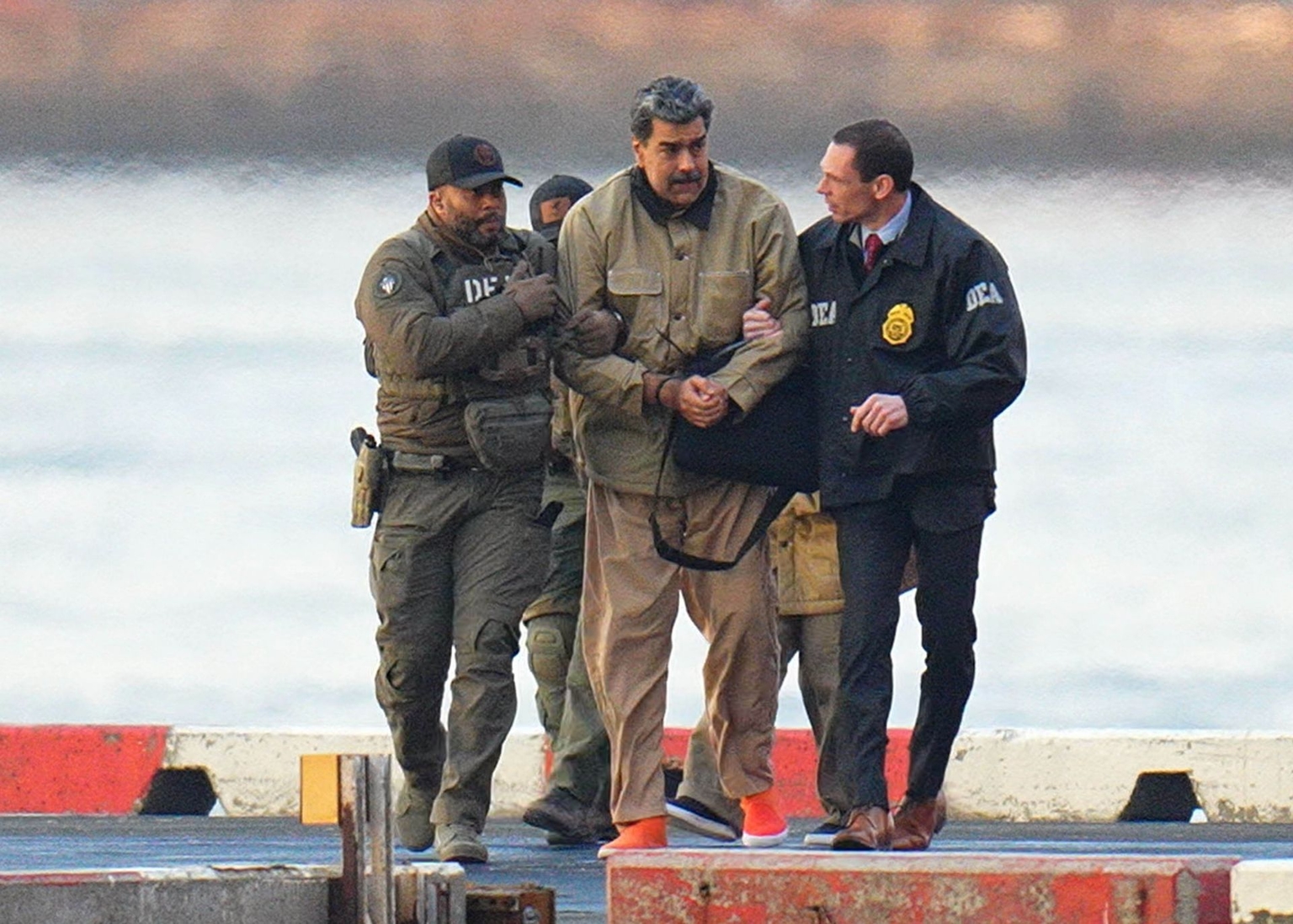
While this is not the first time Trump has talked about seizing the territory, this time, European leaders understand he might not be bluffing — especially after the stunning U.S. military operation in Venezuela.
Not rocking the Ukraine boat
In a joint statement on Jan. 6, the leaders of Denmark, France, Germany, Spain, Poland, Italy, and the U.K. closed ranks and asserted that “it is for Denmark and Greenland” to decide on matters concerning their territory.
The document emphasized the need for partnership with the U.S. while reaffirming Europe’s commitment to “defend” the principles of territorial integrity and sovereignty.
Yet, European officials reportedly sidestepped the matter during the Jan. 6 Paris summit on peace efforts in Ukraine, hoping to avoid antagonizing Trump.
The U.S. remains the only source of some of the most vital military items, such as Patriot interceptors, which European allies purchase to help protect Ukraine’s skies.
Kyiv and other European capitals have also worked hard to secure U.S. backing for the post-war security guarantees for Ukraine, including ceasefire monitoring and support for a European “reassurance force” on the ground.
There have been signs that these efforts are starting to pay off.
“There still seems to be a willingness to work together on Ukraine, as per the outcomes of the latest Coalition of the Willing meeting in Paris,” says Stefan Wolff, professor of international security at the University of Birmingham.
However, a forced takeover of Greenland “would likely destroy any future possibility of cooperation between the coalition and the U.S. on security guarantees for Ukraine and make any serious European commitments much riskier and hence less likely,” he adds.
Ukraine has evaded criticism of Trump’s past foreign military interventions, even speaking in positive terms about strikes on Iran in August and the operation in Caracas.
It has stayed silent on the brewing dispute between the U.S. and Denmark — the latter being also one of Kyiv’s leading military supporters.
Ukraine’s Foreign Ministry has not responded to the Kyiv Independent’s request for comment.
Stelzenmuller notes that the U.S. moving forward with the plan would not only “become a political, financial, and/or military distraction for democratic NATO allies” — it would also embolden Russia and China.
Allies divided, Russia emboldened
Trump’s coercive approach to Greenland casts light on the emerging new world order, one that is not based on international law but on great powers balancing and spheres of influence.
As the “Donroe doctrine” supposedly gives Trump the prerogative to act as he sees fit in the Western Hemisphere — from Venezuela to Greenland or even Canada — the implication is that Russia has a free hand in its own neighborhood.
Dan Hamilton, a non-resident senior fellow at the Brookings Institution, suggests that the Kremlin may quietly welcome U.S. involvement in Venezuela, as it demonstrates that “big powers can intervene in the affairs of small powers, as Russia has.”
While at least publicly denouncing the operation in Venezuela — its ally — Moscow has been openly giddy about Greenland, with Russian aide Kirill Dmitriev saying on X: “Greenland seems decided… Canada next?”
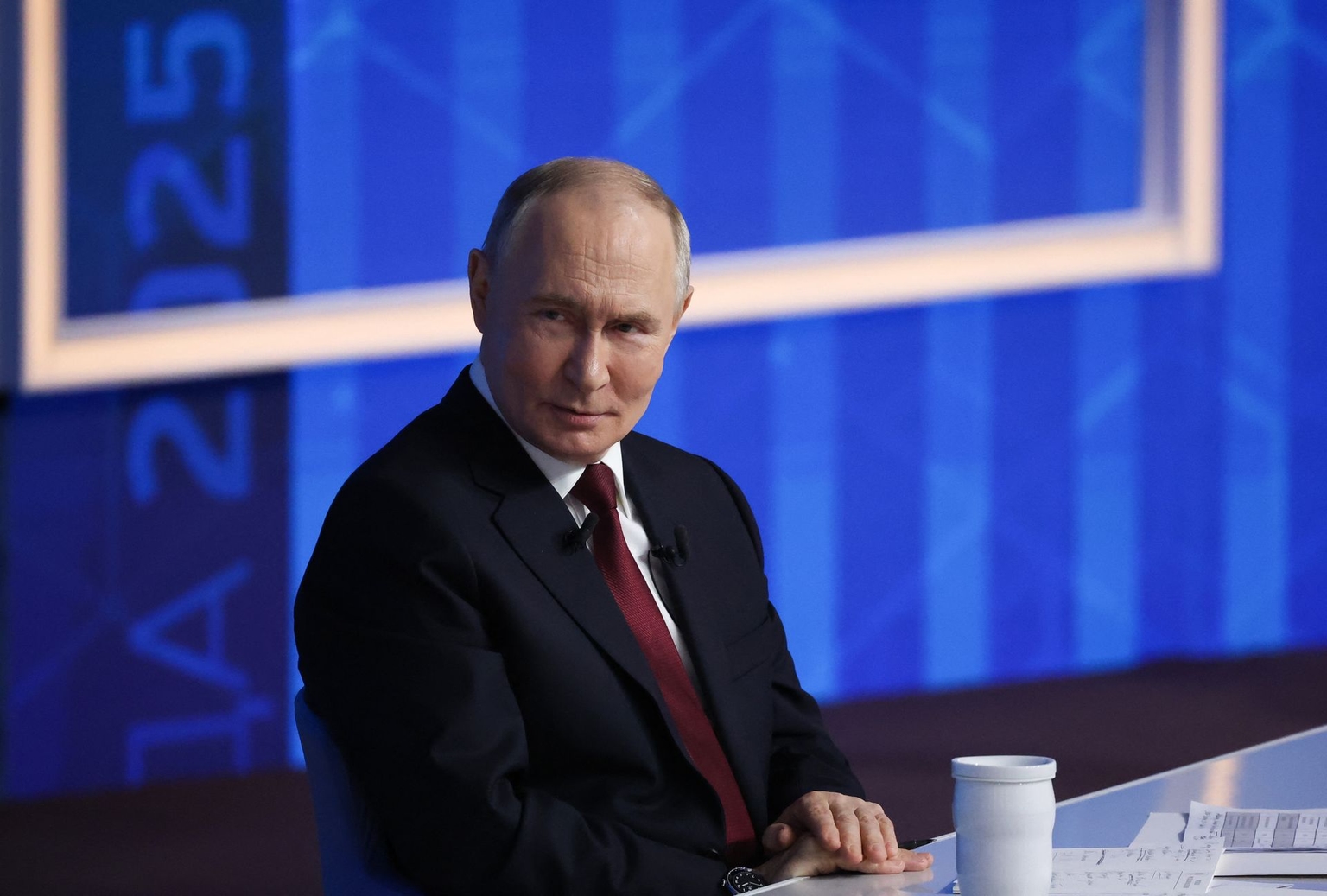
An end to NATO would likely only embolden Moscow, which already wages a war of conquest in Ukraine while escalating hybrid warfare across the alliance’s eastern flank — from the Baltic region to Romania.
Although Trump recently vowed that the U.S. “will always be there for NATO,” his other past statements raise doubts about his commitment to Article 5.
Wolff agrees that a forced takeover of Greenland would be “the end of the alliance as we know it” and could even “shatter core Western institutions beyond NATO.”
“The question, however, is how it would unravel and how far. Would Denmark leave, followed by its close European allies? Would some European member states stay behind?” the expert says.
A split within NATO could, therefore, also threaten the unity and possibly the existence of the EU, he warns.
Nevertheless, experts believe that such a breakdown would not mean an immediate Russian invasion into the Baltics or elsewhere, as the Russian army is still heavily occupied in Ukraine.
Stelzenmuller believes that launching another war would still be “a very big lift for Russia,” suggesting Moscow would continue to focus on its hybrid warfare tactics.
Yet, Wolff notes that “this might change once the war (in Ukraine) ends, depending on how much more prepared Europeans will be by then to deter Russia, with or without the U.S.”
Note from the author:
Hi, this is Martin Fornusek.
The very topic of this article shows that we live in unprecedented times, where the security structure of the entire world order is being questioned.
Now, more than ever, truthful and reliable journalism is needed. If you value our work, please consider joining the Kyiv Independent community.