
Manitoba’s Opposition leader is calling on Health Canada to reject an application to establish a drug consumption site on Henry Avenue in Winnipeg, citing “flaws in the selection process and consultation process” and opposition from area residents and businesses.
Progressive Conservative Leader Obby Khan formally opposed the proposed site at 366 Henry Ave. in a letter to the federal health department that raised concerns about the “absence of baseline data” supporting why the location — an industrial building south of the Canadian Pacific Kansas City railyard — was selected.
“Health Canada must reject the proposed Henry location for the drug injection site proposed by this NDP government,” Khan said Thursday, while flanked by a group of community members outside the proposed site.
Khan accused the provincial government of “making it up as they go,” criticizing the lack of information provided, including operational details around staffing levels, budgets or oversight plans.
He said members of his caucus have seen briefing notes on the application.
The application was submitted by the Aboriginal Health and Wellness Centre — which is partnering with the province of Manitoba to operate the facility as an urgent public health need site — on Dec. 5. That’s the same day the proposed site location was announced to the public.
Health Canada spokesperson Charlaine Sleiman said the application is still under review as of Thursday.
Portage la Prairie MLA Jeff Bereza, who serves as the PCs’ addictions critic, said “no one has been able to get any information” about the proposed site, despite several public consultation meetings in the weeks after the location announcement.
“The NDP government is trying to shove this building without any data or anything to support this,” Bereza said.
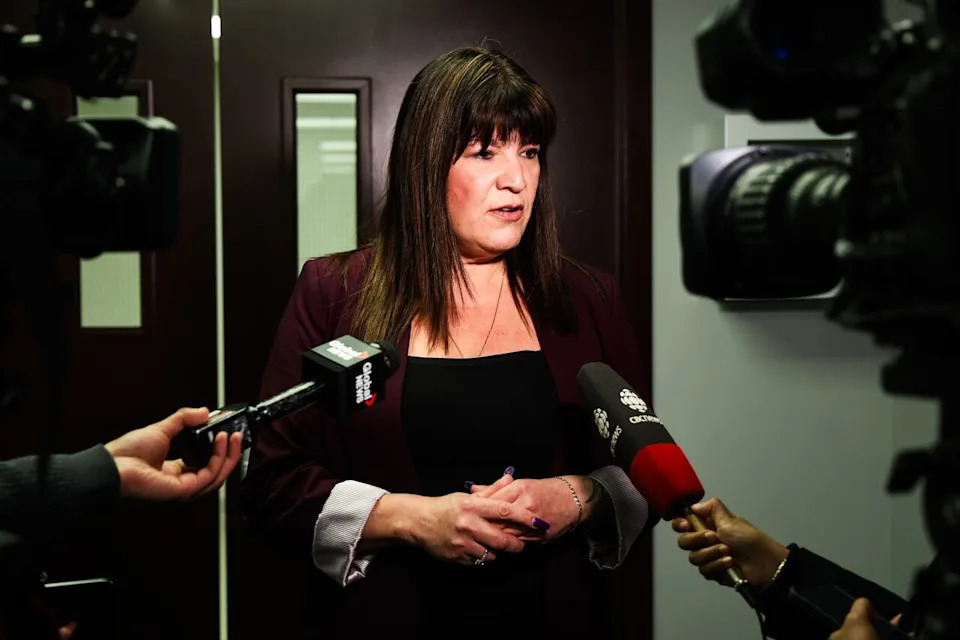
Addictions and Homelessness Minister Bernadette Smith said the proposed location was selected because it’s ‘where people need the services.’ (Prabhjot Singh Lotey/CBC)
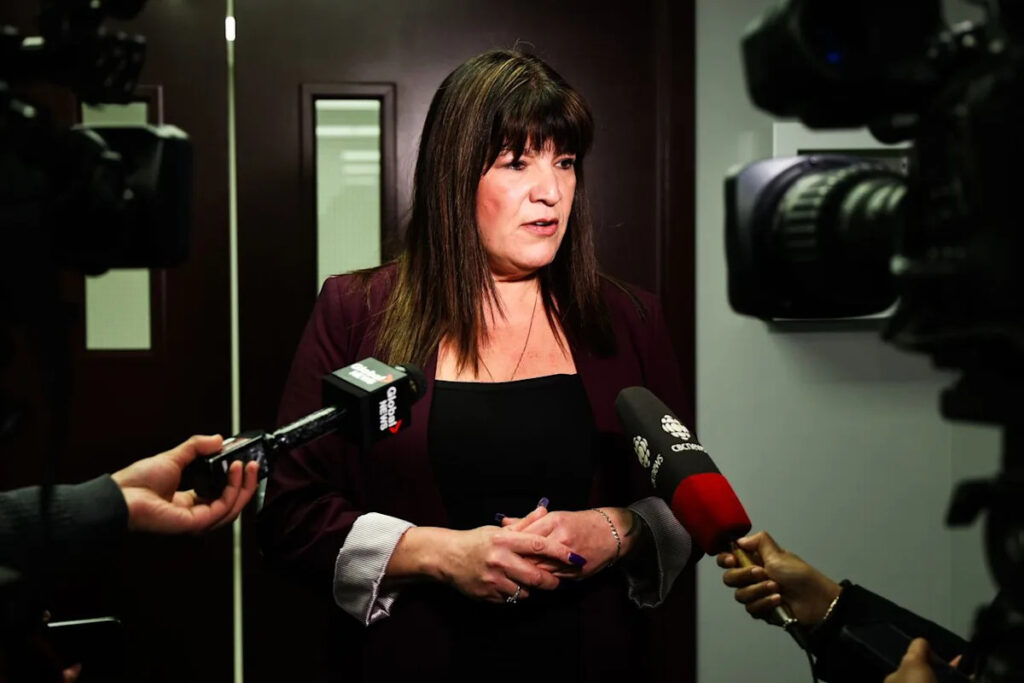
Addictions Minister Bernadette Smith said in a statement to CBC News on Thursday that the proposed site was selected because it is “located where people need the services.”
“This site was chosen because [Winnipeg Fire Paramedic Service] data shows that is where the most calls per capita for overdoses happen, and we need to meet people where they are for this service to be effective,” Smith said.
Criticism from community members began to emerge shortly after the location was announced, with some citing a lack of consultation.
A spokesperson for Health Canada previously told CBC News that applicants under the urgent public health need stream aren’t required to do formal community consultations.
Instead, applicants must “describe plans for community engagement” to Health Canada and the department can request additional information if necessary.
Smith said Aboriginal Health and Wellness “submitted all the information required by Health Canada, with full transparency and in accordance with federal government guidelines for urgent public health needs sites.”
Isidro Romeo Zapata, who has lived in the area for more than three decades, expressed frustration around the lack of consultation required for urgent public health need sites.
“Now they are trying to [shove] it down our throat without Vaseline,” he said.
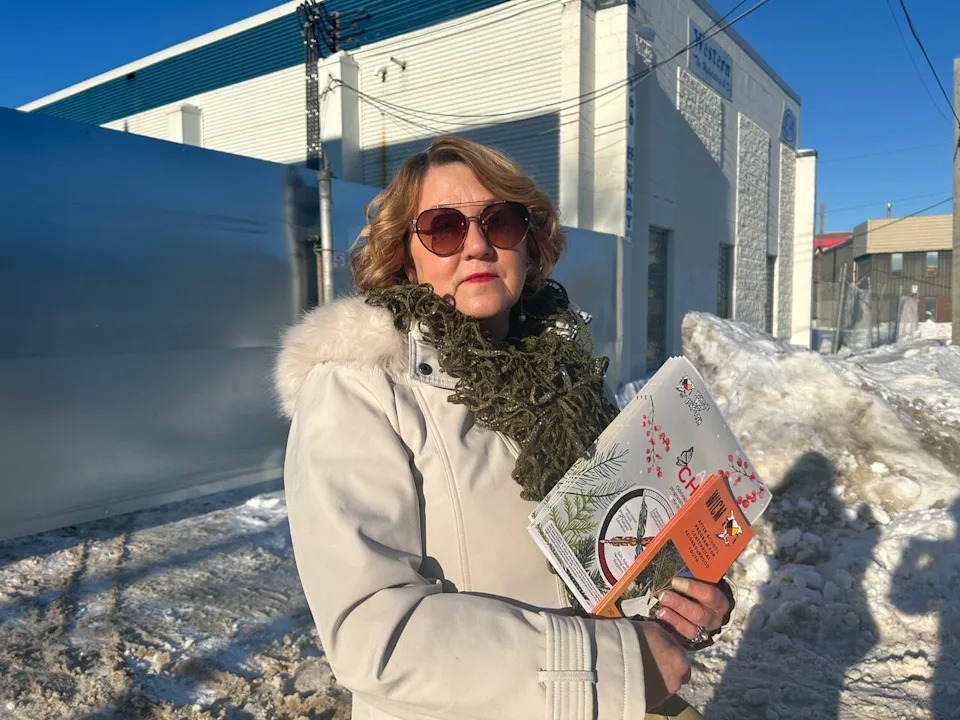
Beverly Burkard is the executive director of Winnipeg Inner City Missions. (Alana Cole/CBC)
Beverly Burkard, executive director of Winnipeg Inner City Missions, said she’s worried about the proposed site being so close to a new Indigenous arts and culture centre that will provide after-school programming for youth at nearby elementary schools.
In September, the province said it wouldn’t set up a consumption site within 250 metres of a school or child-care facility.
While Google Maps’ distance measuring tool appears to show the arts centre is on the periphery of the 250-metre radius from the proposed site, Burkard says the facility — which also houses a sober-living centre — is within a two-to-three-minute walk.
“Children who live in the inner city have opportunities that we can provide that they potentially won’t even be able to access because of the concerns for their safety and well-being,” she said.
“We are robbing children who have very few opportunities of this potential for their own health and wellness and growth.”
The province’s initial proposal to open a supervised consumption site at a vacant space on Disraeli Freeway was quashed by similar concerns, after residents said the site would have been too close to a high school.
Khan said he supports local community members and business owners in Point Douglas and North Logan who don’t want a consumption site in their neighborhood.
He said his Progressive Conservatives are fundamentally “against the concept of having a drug consumption site” and would prefer to see wrap-around supports instead.