
Published on
January 10, 2026
Hungary has witnessed a significant boost in tourism in November 2025, with tourist arrivals rising by 7.9% year-on-year, and tourism nights increasing by 5.8% compared to November 2024. The rise in arrivals is largely driven by foreign demand, as international visitors flock to Hungary’s rich cultural attractions, vibrant cities, and historical landmarks.
According to the latest data released by Hungary’s tourism authority, international visitors have continued to play a crucial role in strengthening the country’s tourism sector, marking a positive shift after the pandemic’s impact on global travel. With the holiday season around the corner, these figures indicate a continued recovery in Hungary’s tourism industry, with strong growth prospects heading into 2026.
Growth in International Arrivals and Tourism Nights
In terms of international arrivals, Hungary recorded impressive numbers in November 2025, with a 7.9% increase compared to the same period in 2024. Tourism nights also saw a 5.8% rise, signaling longer stays and a more substantial contribution to Hungary’s tourism revenue. Seasonally adjusted data shows a 6.0% increase in arrivals and a 3.7% rise in tourism nights year-on-year, further reflecting the strong demand for visits to Hungary during this time.
A significant portion of these visitors opted for commercial accommodation, accounting for 72% of total guests. These establishments saw a 6.8% increase in arrivals compared to 2024. Hotels continued to be the preferred choice, with 83% of domestic arrivals choosing hotels. These figures suggest that Hungary’s hospitality industry remains a central player in attracting both international and domestic tourists.
Rising Popularity of Private and Alternative Accommodations
Interestingly, private and other accommodation types recorded even stronger growth, with arrivals rising by 11% compared to the previous year. This indicates that travelers are increasingly opting for alternative accommodations such as short-term rentals, guesthouses, and boutique stays, which offer a more personalized experience. These types of accommodations are popular among travelers looking for a more intimate and unique stay, often in residential neighborhoods or near local attractions.
The rise in both commercial and private accommodation usage reflects Hungary’s diverse tourism offerings, catering to various types of travelers, from those seeking luxury experiences to those looking for affordable yet comfortable stays. This diversity is critical to ensuring the country remains attractive to a wide range of global visitors.
Domestic Tourism Faces Stagnation
While international tourism saw strong growth, domestic tourism in Hungary remained more subdued. The number of domestic tourist arrivals in November 2025 was unchanged compared to the previous year, and the number of domestic tourism nights fell by 2.1%. Seasonally adjusted figures show a slight increase in domestic arrivals by 2%, but a decrease in tourism nights by 1.3%.
A closer look at the data reveals that commercial accommodation saw an increase in domestic arrivals, with 475,000 guests staying for a total of 977,000 tourism nights, a 3.0% increase from the previous year. However, private accommodation saw a decline in domestic visits, down by 4.7%.
The region with the most significant increase in domestic tourism was the Győr–Pannonhalma area, where arrivals rose by 7.9%. In contrast, the Tokaj–Nyíregyháza area saw the sharpest fall, with a decline of 11% in domestic arrivals. In Budapest, domestic arrivals were up by 5.4%, while at the Lake Balaton region, a popular destination for domestic tourists, arrivals dropped by 1.4%.
Tourism Trends in Hungary’s Key Destinations
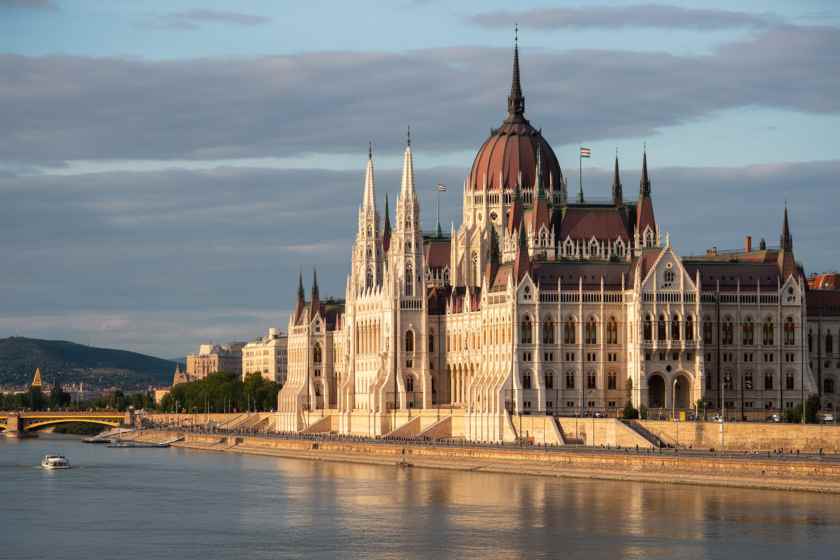
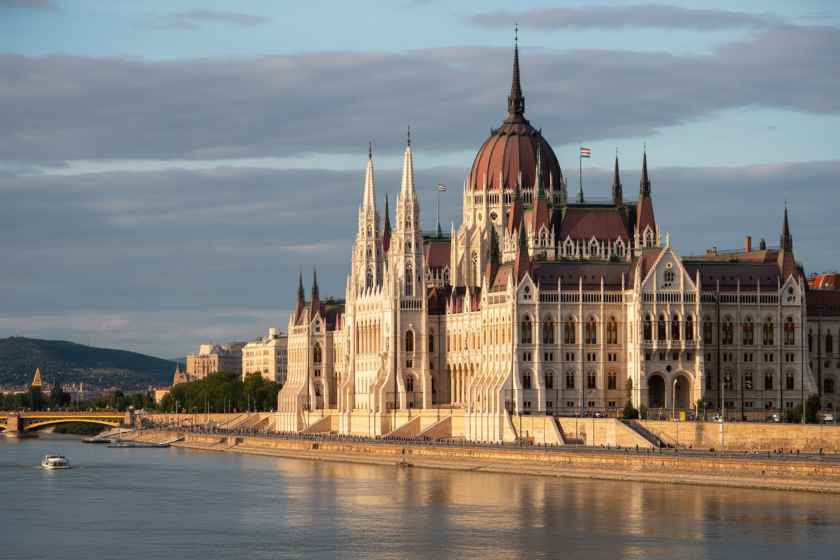
Hungary’s top tourist destinations, such as the capital city Budapest, Lake Balaton, and historical sites like Eger and Pécs, continue to attract both international and domestic visitors. Budapest, known for its stunning architecture, rich history, and vibrant cultural scene, remains the heart of Hungary’s tourism industry. The city’s famous Danube River, Buda Castle, and Széchenyi Thermal Bath are must-visit attractions that continue to draw large numbers of travelers.
The Lake Balaton region, often referred to as the “Hungarian Sea,” is another top destination, especially during the summer months. However, the recent data shows that winter tourism around the lake is lower than usual, which could explain the slight dip in domestic arrivals. Nonetheless, the surrounding towns and villages offer picturesque views and a peaceful retreat, attracting those seeking a more relaxed pace of travel.
Looking Ahead: The Future of Hungary’s Tourism Industry
Looking forward, Hungary’s tourism industry is set to benefit from the ongoing recovery in global travel. The strong increase in international arrivals and tourism nights in 2025 signals that Hungary is becoming an increasingly popular destination for travelers seeking both culture and adventure. The country’s diverse attractions, from vibrant cities to serene countryside escapes, offer something for every traveler.
Additionally, Hungary’s continued efforts to improve its tourism infrastructure, support local businesses, and diversify its offerings will help strengthen its position as a top European destination. With global tourism continuing to recover, Hungary is well-poised to attract more international visitors in the coming years.
Conclusion
Tourism in Hungary has shown impressive growth in November 2025, driven largely by international visitors. While domestic tourism faced a slight decline, the increase in international arrivals and the popularity of both commercial and private accommodations reflect Hungary’s status as a dynamic and diverse travel destination. As the country builds on its success and continues to innovate its tourism sector, Hungary is likely to remain a top choice for tourists from around the world in 2026 and beyond.
