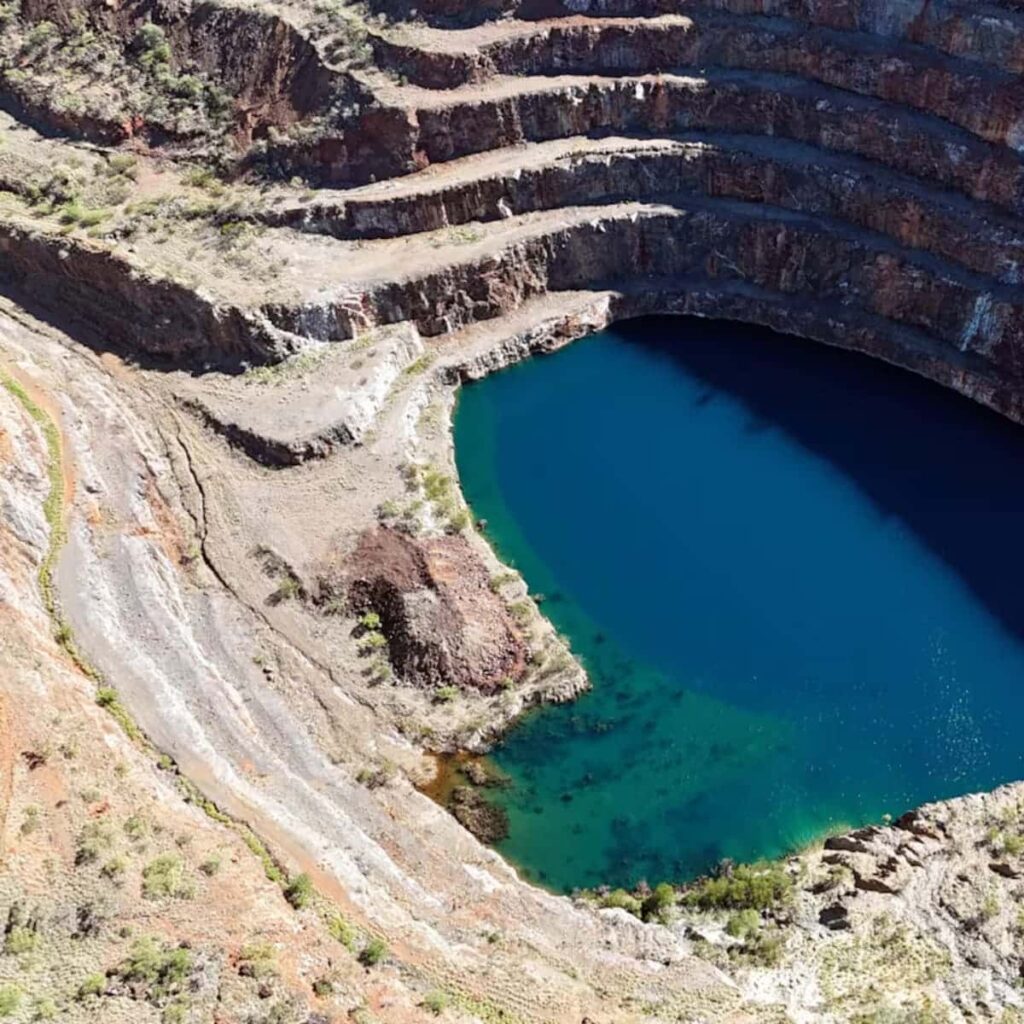
Beneath the sands of the Ordos Desert lies a discovery that could rewrite the future of energy. China has uncovered a colossal uranium deposit — 30 million tons strong — that may redefine the balance of global power. How this single resource reshapes both China’s ambitions and the world’s nuclear landscape is the question now on everyone’s mind.
China’s revelation is nothing short of seismic. Hidden in the barren expanse of Inner Mongolia’s Ordos Desert, researchers have found one of the largest uranium reserves ever recorded. With an estimated 30 million tons, the discovery comes at a pivotal moment: Beijing is ramping up efforts to diversify its energy sources and reduce its reliance on fossil fuels. If fully developed, this find could secure China’s energy independence for generations and make it a heavyweight in the global uranium trade.
A strategic treasure beneath the dunes
The Ordos Desert — a landscape of scorching sands and wind-carved rock — was hiding a treasure few could have imagined. Known for its harsh conditions, the region now hosts one of the world’s largest uranium deposits ever found.
Chinese scientists used cutting-edge exploration technology to locate the deposit, a feat that highlights the country’s growing mastery of advanced mining methods. Identifying such a resource in an environment so hostile marks a milestone in the science of mineral discovery.
Uranium remains a cornerstone of China’s current energy strategy. Once refined, this heavy metal powers nuclear reactors that generate low-carbon electricity. The discovery comes at just the right time: China is currently constructing eleven new nuclear power plants to meet its surging energy demands.
Experts believe these reserves could meet national energy needs for generations, delivering crucial energy security in an increasingly uncertain global context.
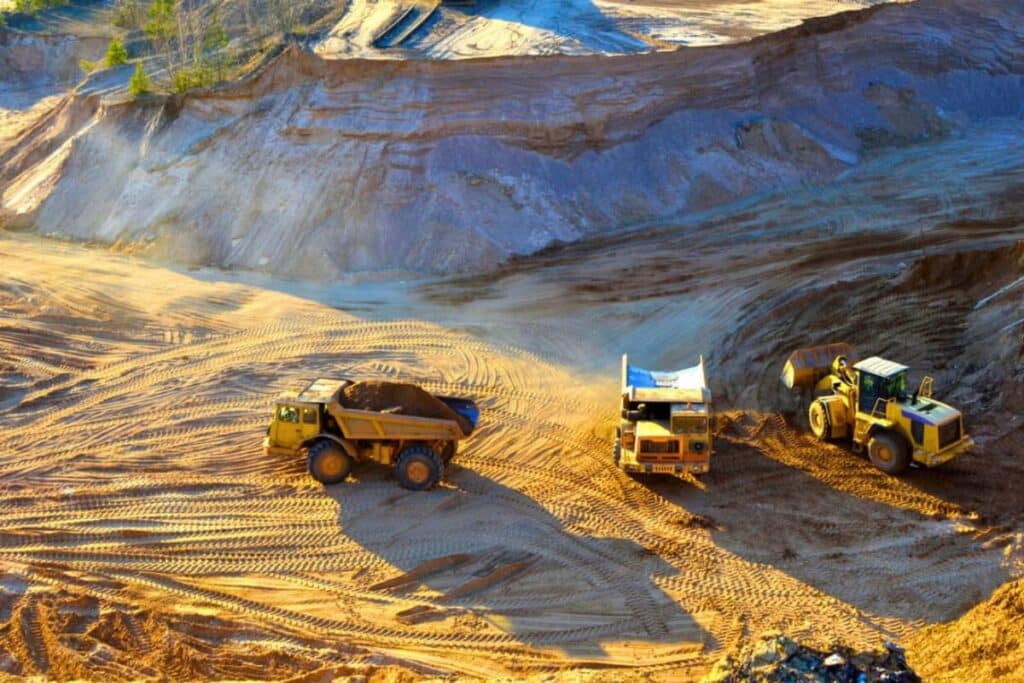
A giant uranium mine has been discovered where no one expected it: the energy race is back on. © Maksim Safaniuk, iStock
A global power shift in the making
This massive uranium find could disrupt the global balance of supply. Until now, production has been dominated by a few heavyweights — Kazakhstan, Canada, Australia, and Namibia. China’s potential rise as a major producer could reshape uranium pricing, alter trade flows, and shift global alliances.
The full impact will depend on how Beijing chooses to manage its new resource. But one thing is clear: the discovery boosts China’s diplomatic leverage. Becoming self-sufficient in uranium would reduce its exposure to foreign pressure and enhance its strategic autonomy on the world stage.
Control over such a resource — vital for nuclear power — could even serve as a new tool of influence in global climate and energy negotiations. As a potential supplier, China gains not only independence but also considerable geopolitical clout.
Environmental concerns and the bigger picture
Still, exploiting such a massive deposit won’t come without consequences. Mining uranium poses serious risks to the delicate ecosystems of the Ordos Desert — and to the communities that live there.
Radioactive waste management, water use in this arid zone, and worker protection are major challenges Chinese authorities will have to address. Public acceptance of these projects will depend heavily on the environmental safeguards put in place.
Yet the find fits neatly into China’s broader strategy: a diverse energy portfolio that blends nuclear power with vast investments in renewables. Already a global leader in solar and wind, China continues to build a long-term plan for cleaner energy while sustaining growth.
The uranium of Ordos is just one — but an essential — piece of that puzzle. It’s a cornerstone in Beijing’s vision of a low-carbon future where the country balances economic expansion with environmental responsibility.
And beyond China’s borders, the ripple effects are undeniable. This discovery could shape global nuclear policy and the energy order for decades to come.