
Published on
January 10, 2026
In a bold move to preserve the unique charm of Zaanse Schans and manage the overwhelming surge of tourists, the Netherlands has introduced a new entry fee starting in Spring 2026. This decision comes in response to the significant strain placed on the village, which saw 2.6 million visitors in 2025 despite its small population of just 100 residents. The fee, aimed at reducing overcrowding, will not only help protect the iconic windmills and historic infrastructure but also offer a more structured and sustainable tourism experience. With funds from the fee being directed toward maintenance and improvements, the Netherlands is taking proactive steps to balance the needs of visitors and locals while ensuring that the cultural and environmental heritage of Zaanse Schans remains intact for future generations.
Zaanse Schans Takes Action Against Overcrowding With New Entry Fee Amid Growing Tourist Influx
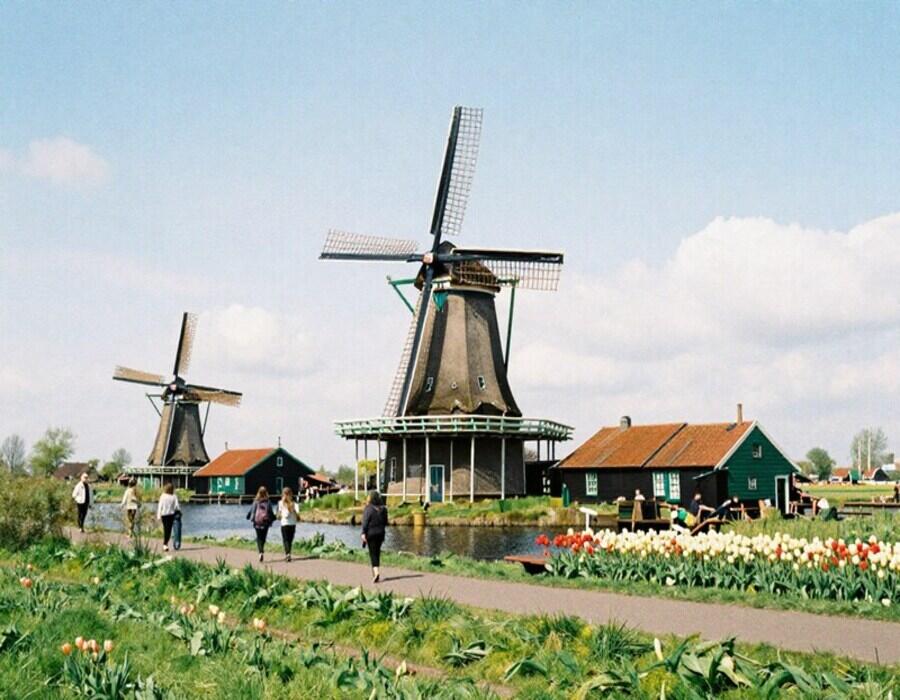
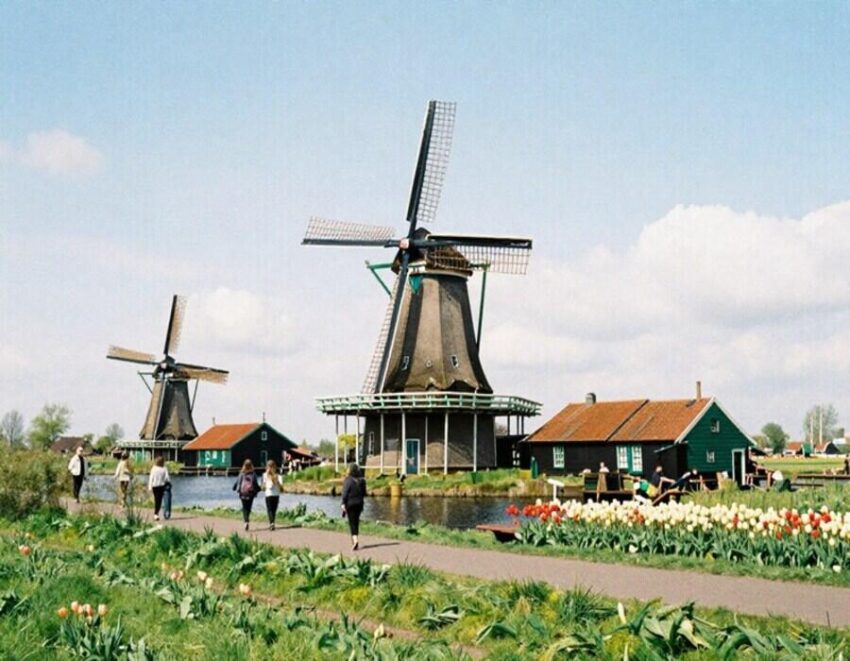
Zaanse Schans, a picturesque Dutch village famous for its iconic windmills, vibrant wooden houses, and expansive tulip fields, is grappling with the consequences of mass tourism. Despite being home to just around 100 residents, this charming destination saw a staggering 2.6 million visitors in 2025, leading to overwhelming pressure on both the local community and its infrastructure.
The constant influx of tourists has caused tensions, as locals complain of invasions of their privacy. Reports have emerged of visitors knocking on doors, entering private gardens, and even using selfie sticks to peek inside residents’ homes. Its unique beauty, coupled with its close proximity to Amsterdam, has made Zaanse Schans a prime destination for travelers, but the rapid rise in visitors has led to growing frustrations within the tight-knit community.
In response, the local council has announced plans to implement an entry fee of €17.50 (approximately £15) starting in the Spring of 2026. The aim is to manage the number of tourists and to help fund the preservation of the village’s historic windmills and improve the infrastructure to better cope with the visitor demand.
The new fee will grant tourists access to the town’s museum and one of the windmills, offering a more organized and controlled experience for visitors. If even half of the usual number of tourists decide to pay the entry fee, the village stands to generate an estimated €24.5 million (around £21 million), which will go directly toward sustaining the area’s cultural and environmental heritage.
However, not all members of the community are thrilled with the new charge. Some local businesses, particularly gift shops and traditional cheese vendors, worry that the fee may discourage tourists. These shops are integral to the village’s economy, providing visitors with an authentic Dutch experience complete with demonstrations of Dutch clog making and traditional costume displays. For these small business owners, the new fee could negatively affect foot traffic and sales.
Zaanse Schans’ decision to introduce an entry fee is part of a broader trend observed across Europe, as other tourist-heavy cities like Venice and Rome have introduced similar measures. Venice, for example, now charges €5 (£4.35) during peak times, and Rome has implemented a €2 (£1.74) fee for those wishing to get a closer look at the Trevi Fountain.
While these changes are a response to growing concerns over overcrowding and the preservation of local life, the debate over tourist fees highlights the delicate balance between maintaining the character and sustainability of these beloved destinations and managing the pressures of mass tourism. As the number of global travelers continues to rise, more cities may follow suit, forcing a wider conversation about the future of tourism in Europe and beyond.
For Zaanse Schans, the new entry fee will likely mark a turning point, as the town works to safeguard its charm and heritage while also ensuring that both locals and visitors can enjoy the village’s natural beauty in a more harmonious way. However, it remains to be seen whether other villages and cities will follow suit, or if such fees will become a standardized model across Europe’s most popular travel destinations.
To address the overwhelming tourist influx and protect Zaanse Schans’ heritage, the Netherlands has introduced an entry fee starting in Spring 2026. This initiative aims to preserve its iconic windmills, reduce overcrowding, and ensure a sustainable tourism future.
As tourist destinations across the world increasingly grapple with similar challenges, Zaanse Schans’ decision serves as an important case study for other areas dealing with the fine line between welcoming visitors and protecting the unique character of small, picturesque communities. The outcome of this experiment could set a precedent for future tourism management strategies in Europe and globally.
