
Denmark looks pretty, if chilly, but is it nirvana?
Published 10:14 am Saturday, January 10, 2026
Let’s face it, with all the troubles in the world, and especially so much uncertainty over the stability of the United States, Denmark looks pretty good right now.
The Scandinavian nation of 6 million which we celebrate during the Astoria Scandinavian Midsummer Festival seems to have its act together, if you can get past the long chilly winters.
But is it truly an idyllic place?
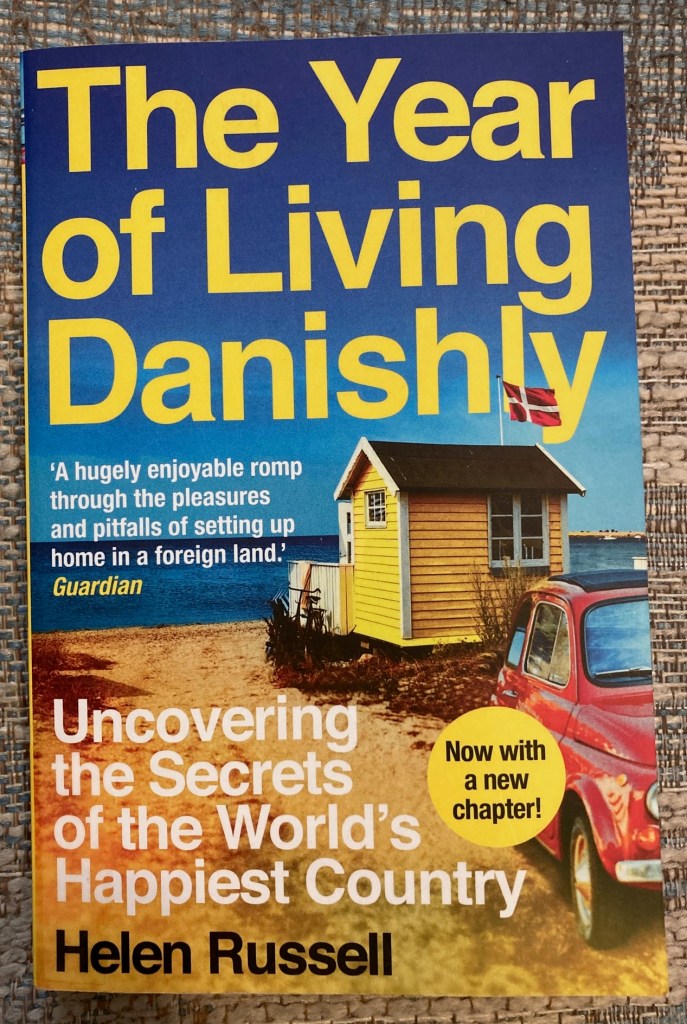
British freelance writer Helen Russell sought to find out when she and her husband moved to live there, first as a one-year experiment and later as a place to settle.
Her one-year memoir published in 2015, was described by The Guardian newspaper, one of her employers, as “a romp through the pleasures and pitfalls of setting up home in a foreign land.” It combines pleasure and pain in not-quite equal measures, navigating a parallel plot of highs and lows in which Russell and her husband try to start a family.
Danish-born Sandi Toksvig, a comedian, scholar and presenter for the British TV humor series “Quite Interesting,” pronounced it, “A lovely mix of English sensibility and Danish pragmatism.”
It’s a fun read, but what do we learn?
In short, Denmark isn’t nirvana, but it does have significant plusses. One is a desire to look after all its residents in a caring manner by structuring its society with a significant social safety net paid by high taxes. It is a concept that many Americans reject, preferring instead to donate to charities voluntarily.
One advisor tells Russell that Danes are OK with paying their taxes, knowing their nation provides the best social welfare in the world. “We get free schools, universities, doctors, hospitals, automatic holiday pay that’s very generous, and employers pay into good pension systems that really benefit Danes and those who settle here,” he says.
“Most Danes will have needed the services of the Danish state at some point or other in thelr lives — they will have had a family member who is sick or something — so they understand the infrastructure and know that their money is going to a good place.”
Russell’s approach is to reveal the humor of daily life, especially her settling-in process, while taking out her notebook to collect comments that put her observations about Danish life into context.
One key is its embrace of children.
A quote from a university researcher in Aarhus sums up the type of future Denmark collectively envisions. “Education here is about developing the social and cognitive competencies of a child and experience-based learning,” the woman explains. “We encourage them to be critical of the system.”
She said, in part, this was sparked by the German occupation during World War II. “We wanted citizens who were democratic and could have their own ideas, so self-development is a big part of learning in Denmark.”
Russell asked everyone she met where they ranked on a 1-10 happiness index. Almost all replied “nine” without hesitation.
“It’s no wonder Danes are so happy. They have an obscenely good quality of life. Yes, it’s expensive here. But it’s Denmark — it’s worth it. I don’t mind paying more for a coffee here because I know that it means the person serving me doesn’t a) hate me or b) have a crappy life.”
Russell’s premise is the United States and her British homeland can learn a lot from Denmark, not least about how to run a society with dignity. This includes respect for educators and politicians.
A Copenhagen Business School study revealed the Danish TV series “Borgen,” which portrayed politicians as normal people with flaws, has boosted election turnouts and improved trust.
“Borgen” also demonstrated how the world doesn’t end when you elect a female leader and reminded many observers of the compromise opportunities of a parliamentary government.
In conclusion, Russell lists nine factors for successful living in Denmark, including developing trust, sharing, playing and valuing family, as well as leading a less materialistic life, which in part is prompted by smaller living quarters. An inevitable thread throughout is the pursuit of “hygge,” a word translated as comfortable wellness or contentedness.
Russell’s idyllic musings appeared somewhat shattered in 2020 when her book was reprinted and she included an addition updating what has happened since her move. She highlighted incidents of violence and racism that have tarnished many European nations which swung to the right when an influx of migrants posed questions about public policy, housing and welfare for newcomers.
Her final chapter ends with optimism. “It’s messy and it’s flawed — like all of us — but at the very least Denmark seems small enough and nimble enough to enact positive change.”
• • •
“The Year of Living Danishly”
By Helen Russell
Subtitle: “Uncovering the secrets of the world’s happiest country.”
Amazon.com, $22.64