
By Paul de Neuville, Paris correspondent, for Eurasia Business News – January 10, 2025. Article no 1986
The European Union’s member governments have now approved the long‑negotiated free trade agreement with the Mercosur bloc, clearing the way for it to be signed despite strong French and Polish opposition. France voted against the deal and finds itself largely isolated, as a qualified majority of EU states backed the accord after last‑minute concessions to other skeptics such as Italy.
The new free trade zone gather 700 million people from Europe to South America.
What was decided
EU ambassadors representing the 27 member states endorsed the EU–Mercosur trade agreement, ending roughly 25 years of on‑and‑off negotiations.
Read also : Gold : Build Your Wealth and Freedom
The green light allows the agreement to be formally signed in the coming days, though it will still require approval by the European Parliament before it can enter into force.
France’s isolated stance
In the final vote, 21 EU countries supported the deal, while France, Austria, Hungary, Ireland and Poland opposed it and Belgium abstained, leaving France without a blocking minority.
Paris argues the agreement threatens EU farmers and is “from another age,” but other major states, including Germany and Spain, have publicly welcomed the pact as a strategic economic move. Germany and Spain are also rivals of French agriculture. Spain welcomes free trade with MERCOSUR, as the Member states are historically close to the Spanish economy. Many citizens of MERCOSUR emigrate to Spain each year.
Main features of the deal
Once implemented, the agreement will gradually remove tariffs on around 91–92% of goods traded between the EU and Mercosur, including high duties on cars, car parts, dairy products and wine.
The European Commission estimates the deal will cut about 4–4.5 billion euros in tariffs and significantly expand EU exports to South America, making it one of the EU’s largest free trade arrangements by value of trade covered.
Why it is controversial
France and several farmers’ groups warn that increased quotas for agricultural imports such as beef, poultry and sugar from Mercosur could undercut EU producers and weaken environmental and animal‑welfare standards.
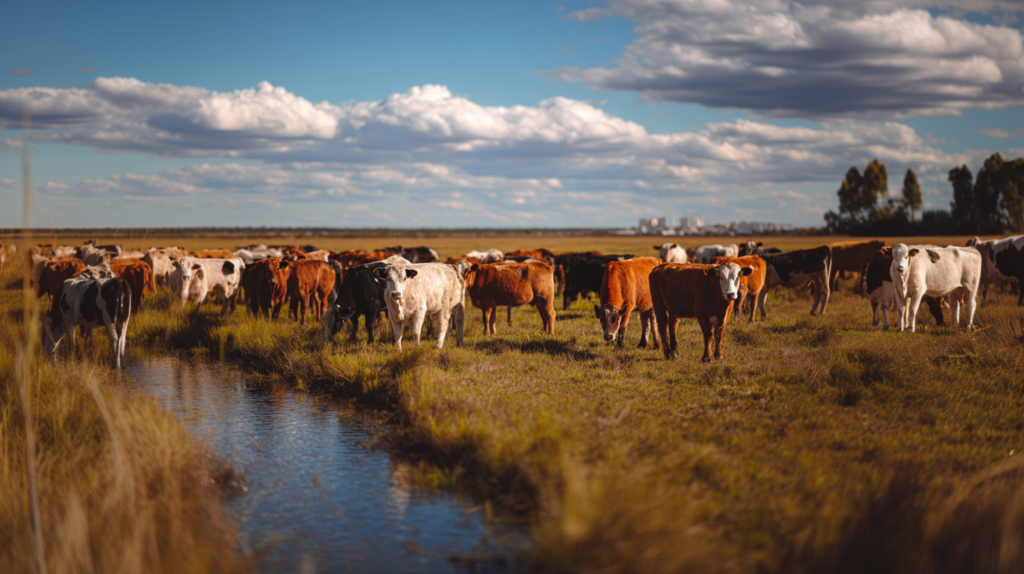
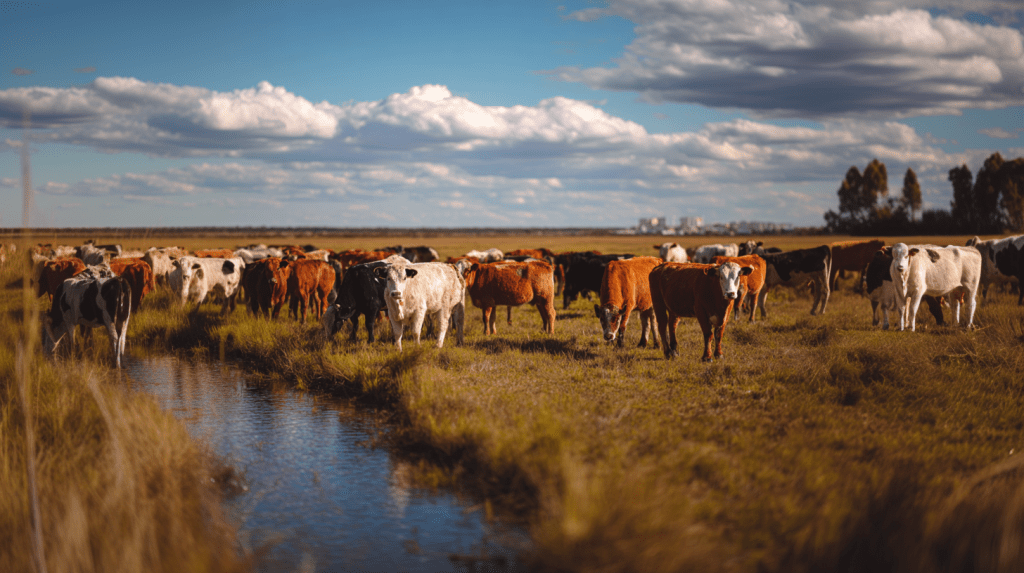
The Mercosur agreement threatens French agriculture primarily through unfair competition: the opening of import quotas for South American agricultural products (beef, sugar, honey, etc.), produced at lower costs and with less stringent sanitary and environmental standards, creates pressure on prices and the profitability of French farms. Livestock farmers, in particular, fear competition from low-priced Brazilian beef imports, which could further weaken the already fragile French beef industry.
Read also : Tax Management strategies for Digital Nomads
The quota for imported beef, although considered low by the Commission, concerns premium cuts of meat, which directly impacts French cattle farmers, especially given the lower production costs in South America. Sugar, rice, and honey producers are also alarmed by the increase in imports.
Supporters counter that the free trade agreement includes safeguard clauses, stricter import rules and new sustainability provisions, and that it strengthens the EU’s access to critical raw materials and large consumer markets
Our community already has nearly 200,000 readers!
Subscribe to our Telegram channel
Follow us on Telegram, Facebook and Twitter
© Copyright 2025 – Eurasia Business News. Article no. 1986