
But from 17 January to 24, Loulé offers a reminder that cultural life doesn’t hibernate by the sea. The return of Algarve Film Week for its fifth edition turns the region into something slightly unexpected: a meeting point for filmmakers, students, families, critics, and curious viewers who still enjoy sitting in the dark and letting a story unfold.
What makes Algarve Film Week distinctive isn’t scale or spectacle. It’s its sense of intention. The program is structured around three interconnected pillars: Algarve Film Week, Monstrare – International Social Film Festival, and MAIA – Ibero-American Animation Market. There is space not just for screenings, but also for conversation, education, and exchange.
Screenings take place across Loulé’s civic and cultural venues, from schools to the Cineteatro Louletano, reinforcing the festival’s inclusive spirit. Admission is free, a detail that quietly matters.
Monstrare, Portugal’s first social film festival, opens its 12th edition with Free Fish, a Portuguese co-production filmed over a year in Gaza. Following two Palestinian brothers separated by war but connected by the sea, the documentary sets the tone for a week that doesn’t shy away from complex subjects, yet remains rooted in human connection. The opening night closes with a Cinema Jazz Project concert showcasing an improvised dialogue between music and moving image.
Family audiences are invited in with The Secret of the Perlims, a visually rich Brazilian animation exploring friendship and imagination. Later in the week, short films and documentaries take centre stage, many aimed at younger audiences, including the Oscar-nominated Fauve, alongside Portuguese works that examine identity, conflict, and resilience.
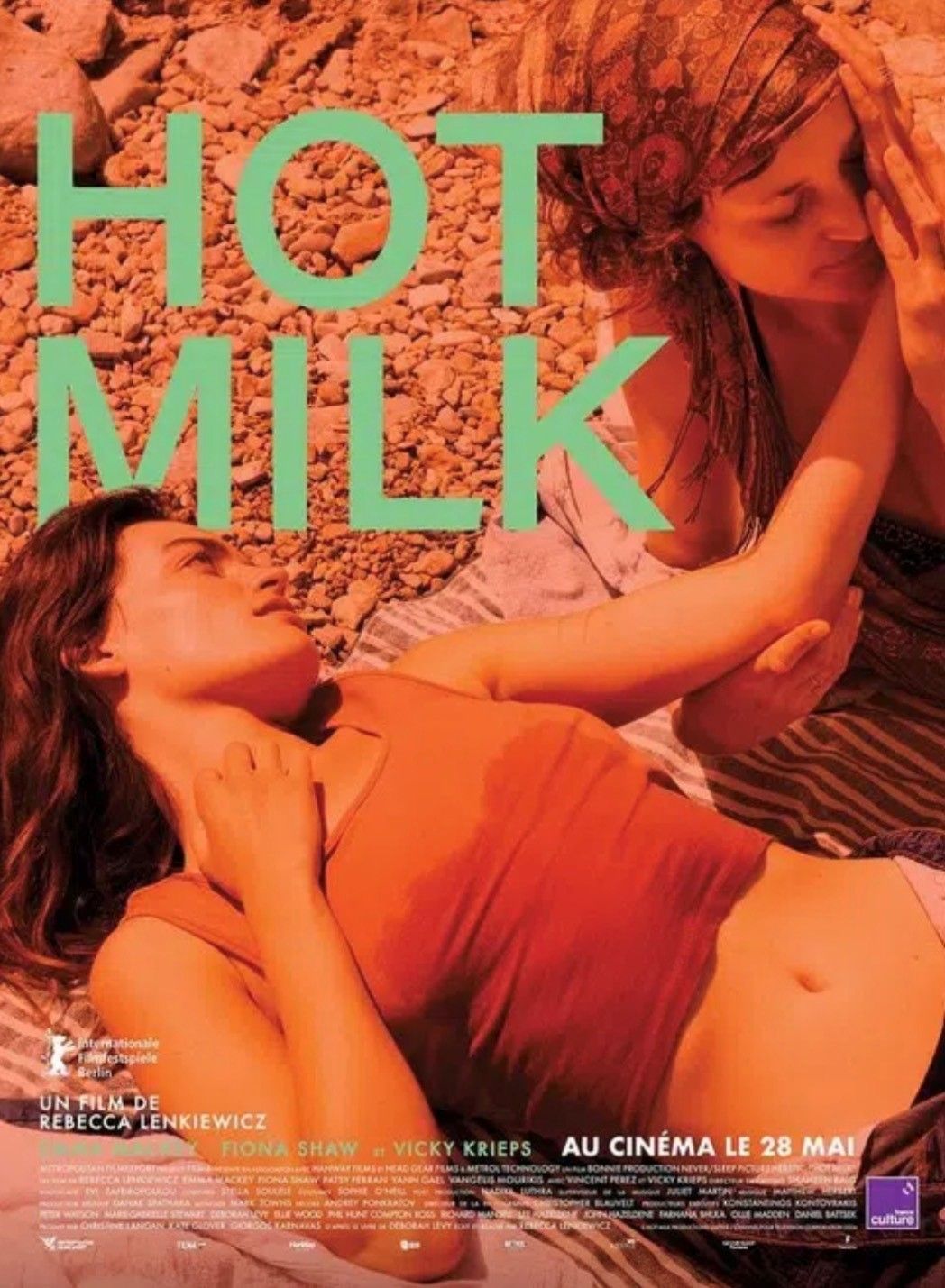
A highlight arrives on 22 January with the national premiere of Hot Milk, directed by Rebecca Lenkiewicz. The film is an intense psychological drama set on the Spanish coast, exploring female autonomy and emotional inheritance.
Behind the scenes, MAIA adds an industry layer to the week, welcoming professionals and emerging creators from across the Ibero-American world, with Brazil as this year’s guest country. It’s a reminder that while films are watched locally, their conversations are global.
The week closes with the Cinetendinha Awards, celebrating Portuguese cinema and affirming that film culture here is not borrowed, it’s growing.
In a region often defined by landscape, Algarve Film Week offers something else: a shared seat, a shared interest, and the sense that the Algarve is very much part of a broader cinematic conversation.