
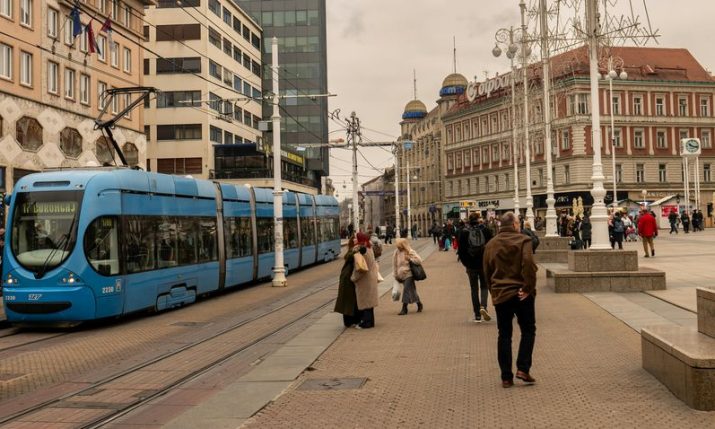
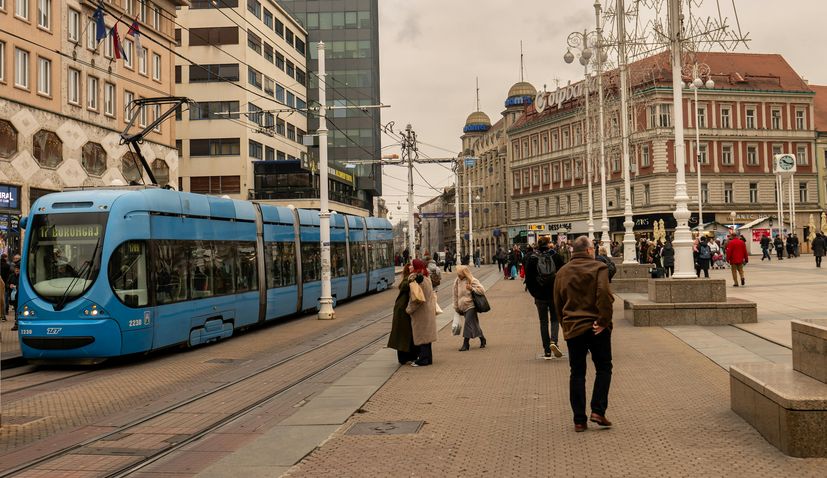
Zagreb
More than 13,000 Croatian emigrants have returned to Croatia in 2025, according to data from the Ministry of the Interior (MUP), as the government introduces a significant five-year income tax exemption aimed at encouraging long-term return, HRT said.
Under the new measure, any Croatian citizen who has lived abroad for more than two years and returns to Croatia to take up employment will be exempt from paying income tax for five years. The incentive applies to all returnees who become employed during 2025.
For a returnee earning the average Croatian salary, the state will refund approximately €2,700 in income tax for a single year, with total refunds over five years reaching around €14,000.
Lifestyle and family among key reasons for returning
Among those who have chosen to return is Sara Bujas, who came back to her hometown of Šibenik after years spent living and working abroad.
“I returned primarily because of the lifestyle, peace and safety,” Bujas told HRT, who now works as a sales manager at Splendid Yachting.
“My daughter is growing up surrounded by beautiful, clean nature and people who still have time for one another.”
Her experience reflects a broader trend among returnees, many of whom cite quality of life, security, family ties and work-life balance as decisive factors in their decision.
Employment opportunities attracting skilled returnees
Economic opportunities are also playing a role. Fran Blažan, who returned from Germany, has found work on a multi-million-euro construction project in Bjelovar, with additional projects underway in Daruvar.
“When we saw that business was expanding here, that larger projects were starting, we decided to return,” Blažan said. He is currently working as a subcontractor on the Wellovar project.
Like all returnees employed in 2025, both Bujas and Blažan are eligible for the full income tax refund.
Tax refunds to be paid from May 2026
The Croatian Tax Administration confirmed that the income tax exemption will be processed automatically, without the need for applications.
“The Tax Administration will determine the exemption at the end of the year through an official procedure for annual income tax assessment and issue a decision by 30 June 2026 for the previous tax year,” the authority stated.
The first tax refunds are expected to be paid in May 2026. Importantly, returnees are not required to remain in Croatia for the full five-year period in order to qualify.
Despite the positive trend, economists warn that the measure alone will not solve Croatia’s ongoing labour shortages.
Boris Podobnik, president of the association Glas poduzetnika, noted that similar tax incentives are used across Europe and that Croatia continues to rely heavily on foreign workers.
“Many returnees will still look for different types of jobs. Few will work in construction, and despite these returns, demand for workers from abroad will remain very high,” Podobnik said.
He also suggested that the policy could unintentionally encourage some workers to temporarily emigrate.
“Some may start asking themselves whether it makes sense to work in Germany for two years, earn more, and then return to Croatia with lower taxes,” he added.
Debate over fairness of the measure
Critics argue that the policy places returnees in a privileged position compared to those who never left Croatia and continued paying full taxes throughout.
In response, the responsible minister stated that the government is aware of these concerns and will work towards greater fairness in the overall tax system, while maintaining incentives aimed at reversing long-term emigration trends.