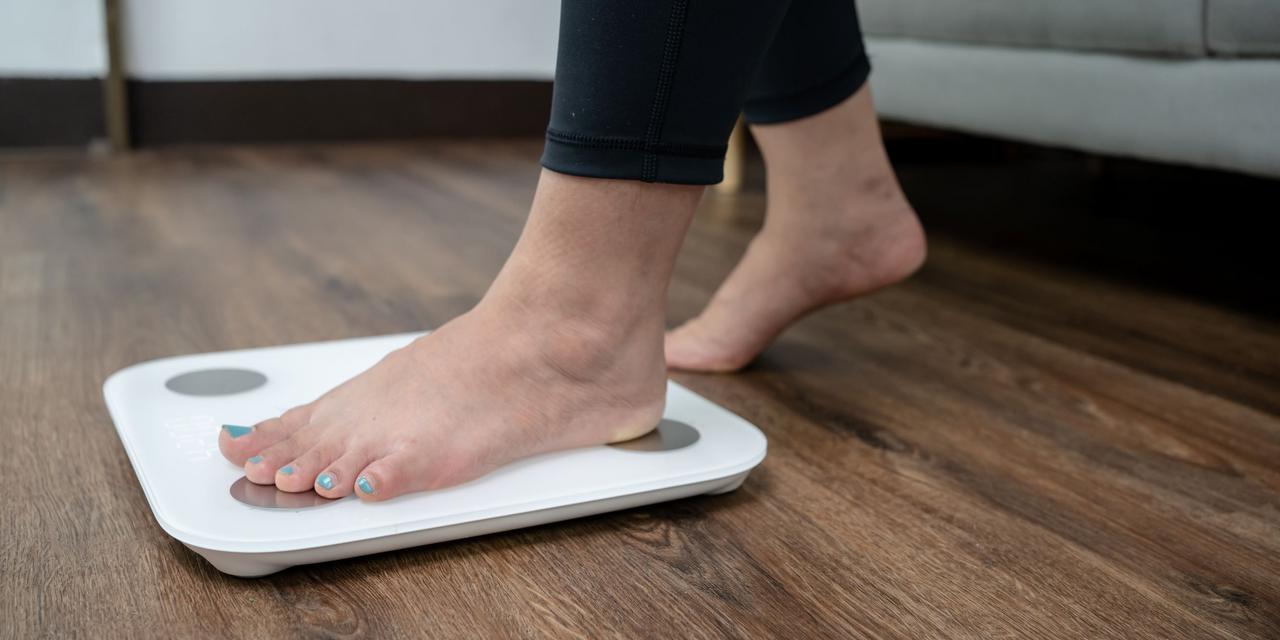
People of normal weight may also be at risk of diabetes and similar diseases: those with an unexpectedly high metabolic BMI have up to a five times higher risk level
https://www.gu.se/en/news/metabolic-bmi-reveals-disease-risk-even-in-people-of-normal-weight

11 Comments
> The results show that unexpectedly high metabolic BMI is linked to a two to five times higher risk of a range of diseases and conditions: fatty liver, diabetes, abdominal obesity, insulin resistance, and even predicts poor/limited weight loss following bariatric surgery
> The metabolic BMI developed by the researchers is based on advanced metabolomic analyses – comprehensive measurements of hundreds of small molecules in the blood that reflect cell metabolism. The measurement provides a far more accurate picture of an individual’s metabolic health and cardiovascular disease risk than traditional BMI. The study analyzed 1,408 participants.
> A key finding of the study is a strong link between metBMI and the composition of bacteria in the gut, the gut microbiota. People with higher metBMI had a gut microbiota with reduced diversity and lower potential to break down dietary fiber into butyric acid, which has previously been linked to inflammation and increased disease risk.
[Multi-omic definition of metabolic obesity through adipose tissue–microbiome interactions | Nature Medicine](https://www.nature.com/articles/s41591-025-04009-7)
Is metabolic body mass index really the best name for this?
People like to say that BMI is a rubbish metric, usually to say that they’re overweight but healthy really. Yet, more and more evidence points that actually it’s the other way, a healthy BMI can still mean you’re a tub of lard. Just skinnier lard.
I’m overweight but haven’t been obese for over a decade. By every measured metric except bodyweight (and HRV, to the limits that is useful, actually) I’m healthy. But still need to get that BMI healthy!
Healthy weight/BMI, quite healthy diet, and good exercise levels … and still, genetics can get you. I’ve had high cholesterol all my life, and now have Type 2 diabetes at retirement age. I wonder about those gut microbiota, mostly. I believe we need SO much more research in this field.
The main advantage of BMI is that it is fast and easy to measure at home. “MetBMI” replaces this with a complicated and expensive metabolic panel that is probably only accessible to people living near large academic research hospitals. While it is important to know that you can be a healthy weight and still experience metabolic dysfunction, I think the framing of this as “a better BMI” is ridiculous. It’s a completely different type of measurement.
“5 times” sounds scarier than it is. In most cases recorded of diabetes usually at most around 15% of patients get it every year when they’re not overweight.
Dietary factors could be what separates a 3 to 15% chance, I guess?
So this is sedentary life style normal weight people who may have an insulation resistance?
Instead of inventing a new metric the general public will not understand or have access to, why not accurately disseminate heart disease risk factors like apoB (relatively cheap test) or non-HDL-C, and pair BMI with waist circumference?
This isn’t news that anyone is at risk for any diseases
I’m a man who is 6’1 and 170 pounds and tend to eat an overall healthy diet. Diabetes runs in my family. My dad got diabetes between 40-45. I’m 45 not and the doctor said my cholesterol and triglycerides are not trending great. There is a genetic component in my family. It’s heartbreaking that I can do everything RIGHT and still get diabetes.
Precisely what is metabolic BMI and how is it measured? This is not defined at all, and isnt intuitive given the weird nomenclature.