
Published on
January 13, 2026
North Macedonia, the Balkan republic known for its ancient landscapes, crystal‑clear lakes and rich cultural heritage, is experiencing a marked acceleration in tourism activity as we enter 2026, with foreign visitors fueling a strong upward trend in arrivals and international interest. Visitors from around the world are increasingly enamored with the country’s natural wonders, historic sites and vibrant cities, making it one of Europe’s more intriguing and rapidly expanding travel destinations. Official tourism reviews and government statistics confirm that not only are more travelers coming, but they are discovering a destination rich in diversity and authenticity, distinguishing North Macedonia from more traditional European hotspots.
The country’s State Statistical Office notes that regular tourism monitoring captures both domestic and international visitors, with the latter increasingly dominating overnight stays and contributing significantly to the hospitality sector’s growth. This reflects a broader international shift toward experiential travel in lesser‑known European destinations, particularly those with compelling outdoor, cultural and historical offerings.
Why Tourism Is Accelerating in North Macedonia: A Blend of Heritage, Nature and Accessibility
Tourism in North Macedonia has been gaining momentum in recent years as global travelers seek authentic cultural experiences and natural beauty beyond overcrowded European hubs. The national tourism board highlights the country’s efforts to showcase its eclectic mix of attractions, which include expansive lake landscapes, ancient archaeological sites, and vibrant urban centers that tell a millennia‑old story. North Macedonia’s tourism appeal lies in its variety and accessibility: from World Heritage‑listed Lake Ohrid and the bustling capital of Skopje to scenic gorges and rugged mountains, travelers can explore diverse environments within short distances.
Government data show structured tourism surveys that track visitor numbers, overnight stays, accommodation types and visitor origins — an indication of a maturing tourism‑monitoring framework supporting planning and strategy. Such data are essential for authorities and industry stakeholders looking to sustain and enhance tourism growth responsibly.
Top Tourist Attractions: Discovering North Macedonia’s Must‑See Sights
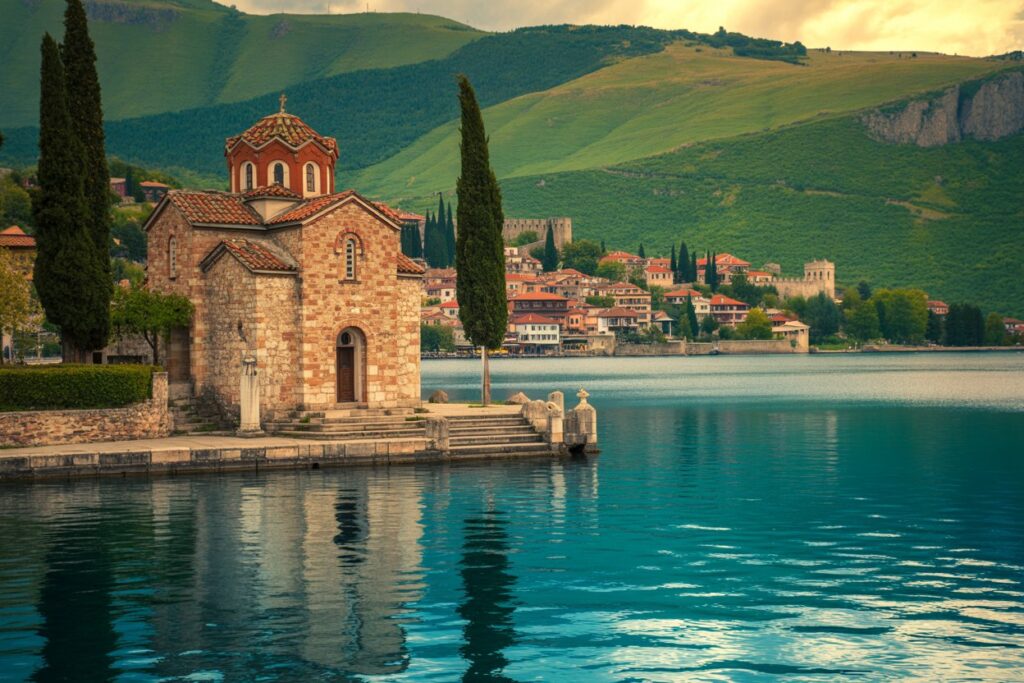
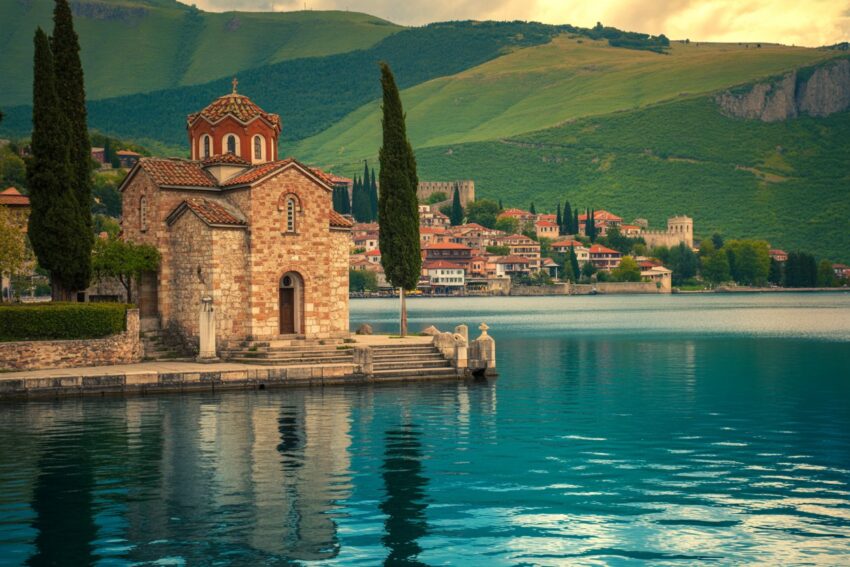
Lake Ohrid and Ancient Heritage — Lake Ohrid, one of the oldest and deepest lakes in Europe and a UNESCO World Heritage site, remains the country’s signature attraction. Its serene waters and surrounding historical towns offer a unique blend of scenic beauty and cultural depth, from medieval churches to vibrant waterfront markets that captivate visitors throughout the year.
Skopje and Millennium Cross — The capital city, Skopje, pairs modern energy with ancient history. Landmarks such as the Millennium Cross atop Vodno Mountain provide panoramic views of the city and surrounding landscapes, while urban museums, bazaars and cultural venues offer immersive experiences in Macedonia’s social fabric.
Matka Canyon Adventures — Matka Canyon, near Skopje, is a natural wonder that appeals to lovers of the outdoors. Its dramatic cliffs, winding waterways and caves make it a prime spot for hiking, kayaking and exploration, while historic monasteries tucked into the landscape add a spiritual and cultural dimension to the adventure.
Mavrovo and National Parks — The country’s three national parks — Mavrovo, Pelister and Galičica — offer visitors a chance to connect with nature through hiking, wildlife watching and scenic drives. These regions are also known for winter sports and eco‑tourism activities, contributing to a year‑round appeal.
Historic Sites and Cultural Routes — Beyond landscapes and cities, North Macedonia boasts archaeological treasures like Stobi, an expansive ancient site with Roman ruins and basilicas, and Kokino, a prehistoric observatory that offers insight into early astronomy. Combined with local wine roads and regional culinary experiences, these attractions broaden the country’s tourism offering.
Best Time to Visit: Seasonal Highlights Across the Year
The best time to visit North Macedonia depends on what travelers seek, as its climate and landscapes offer distinct experiences throughout the year. Spring and autumn are ideal for outdoor activities like hiking and biking, when alpine flowers bloom and vineyards prepare for harvest, making these seasons excellent for nature lovers and cultural itineraries.
Summer — particularly June through September — is the peak period for tourism, with warm weather perfect for lake activities and cultural festivals. While busier, this season brings vibrancy and outdoor enjoyment, particularly around Lake Ohrid. Winter can also be appealing for those interested in mountain sports and snowy vistas, although the focus shifts more toward inland attractions and cozy cultural experiences.
For travelers seeking a balance of pleasant weather and fewer crowds, shoulder months like April, May and October provide ideal conditions with comfortable temperatures and quieter sites, enhancing exploration.
Strategic Growth: Tourism Planning and Future Potential
North Macedonia’s growing tourism momentum is supported by strategic planning that recognizes its competitive advantages, including rich natural resources, diverse cultural heritage and emerging experiential travel products. Research on tourism potentials emphasizes the country’s varied tourism clusters — from rural and mountain adventures to wine tourism and lake experiences — as foundational to enhancing market competitiveness and visitor satisfaction.
The government’s role in strengthening infrastructure, improving accommodation options and facilitating international air connections further underpins the sector’s expansion. With improved statistics collection and destination marketing, North Macedonia is positioning itself to attract a broader global audience, particularly from markets seeking new, off‑the‑beaten‑path experiences in Europe.
Tourism Experience: Human Stories and Local Engagement
Visitors to North Macedonia often remark on the warm hospitality of local communities and the distinctive flavors of Macedonian cuisine and wine culture, which add depth to the travel experience. From sampling local wines in scenic valleys to joining traditional festivals that celebrate folklore and history, the human side of travel enhances the country’s appeal and encourages longer stays and repeat visits.
Conclusion: North Macedonia’s Rising Travel Star in 2026
As tourism continues its upward trajectory in 2026, North Macedonia stands out as a destination where natural beauty, history and cultural richness converge. With a growing roster of attractions, clear seasonal advantages and expanding international interest, the country is appealing to a wide range of travelers, from adventure seekers to cultural enthusiasts. The strategic harnessing of tourism potentials and ongoing improvements in infrastructure and promotion suggest that North Macedonia’s tourism sector is not just accelerating now — it is poised for sustained growth and global recognition in the years ahead.
