
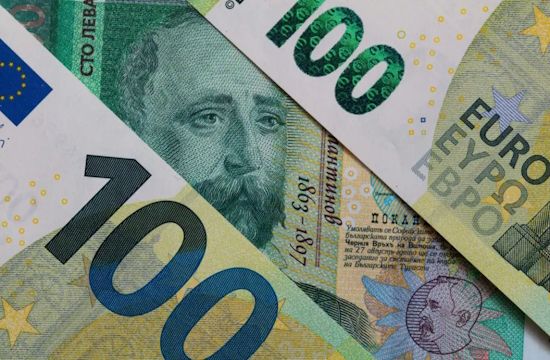
Bulgaria’s adoption of the euro on January 1, 2026, marks the culmination of a multi-year and systematic process of economic convergence with the criteria of the European Monetary System (EMS), making the country the 21st member of the Eurozone.
This development comes nearly two decades after Bulgaria joined the European Union in 2007 and follows its entry into the Exchange Rate Mechanism in July 2020. Within this mechanism, Bulgaria maintained the central exchange rate of the lev against the euro (1.95583:1) without deviation.
Inflation and Monetary Policy
Forecasts from the International Monetary Fund (IMF) and the Bulgarian National Bank estimate an inflation rate of 3.6% for 2025, up from 2.6% in 2024, gradually declining to 3.4% in 2026—levels fully compatible with the Eurozone’s price stability criterion. Meanwhile, close supervision by the European Central Bank and the reduction of the reserve requirement from 12% to 1% are not expected to trigger significant inflationary pressures, thanks to the liquidity and capital adequacy of the Bulgarian banking system.
This expectation is also based on the experience of other countries that recently joined the Eurozone, such as Croatia, where inflation rose slightly and temporarily due to transitional effects (dual pricing, price adjustments) without affecting long-term consumer prices. Notably, in November 2025, inflation measured both by the Consumer Price Index (5.2%) and the Harmonized Index of Consumer Prices (3.7%) reinforced Bulgaria’s path to the Eurozone, remaining within convergence limits. The decline from 5.3% in October and 5.6% in September demonstrates the successful monetary policy of the European Central Bank and national efforts to maintain control.
Fiscal Position
Bulgaria’s fiscal indicators remain strong, with public debt among the lowest in the EU, despite rising expenditures for salaries and pensions. The government has committed to careful fiscal management within the Stability and Growth Pact, balancing social needs with long-term infrastructure investments.
At the same time, the European Commission and the IMF Executive Board recommend that Bulgaria pursue stricter fiscal policy, transition to high-quality investments, reduce net spending, and maintain fiscal space in light of rising public debt and expenditure pressures related to aging, defense, infrastructure, and energy transition.
Economic Opportunities and Investment
Bulgaria’s entry into the Eurozone is expected to improve fiscal sustainability through the tools of the European Central Bank. Maintaining high public investment will support sustainable growth. Eliminating exchange rate risk and reducing transaction costs will make Bulgaria a more attractive destination for Foreign Direct Investment (FDI) and improve its creditworthiness.
Euro adoption represents a historic opportunity for long-term economic stability, enhanced investment attractiveness, and deeper integration into the European market. Nearly half (45%) of Bulgaria’s exports are already directed to Eurozone countries, and according to the European Central Bank, small and medium-sized enterprises will save approximately €500 million annually solely from the removal of currency conversion costs.
In an economy where nearly one in two jobs depends on external demand, the euro is expected to significantly boost tourism and facilitate Bulgarian manufacturers’ transactions with Europe and the wider world. Short-term challenges and inflationary pressures are considered limited and manageable. Long-term prosperity will depend on strict adherence to fiscal commitments, promotion of transparency, and flexible adaptation to evolving European policies.
Opportunities for Greece
Bulgaria’s Eurozone membership also represents a strategic opportunity for Greece as a neighboring country with strong and growing bilateral relations in trade, FDI, energy, and infrastructure. Shared participation in the Eurozone eliminates exchange rate risks, reduces transaction costs, and inevitably strengthens cooperation in these sectors.
(*) Information sourced from the Office of Economic and Trade Affairs in Sofia.