
Tibet’s Voice Heard in Slovenia: Delegation Meets MP to Strengthen International Support
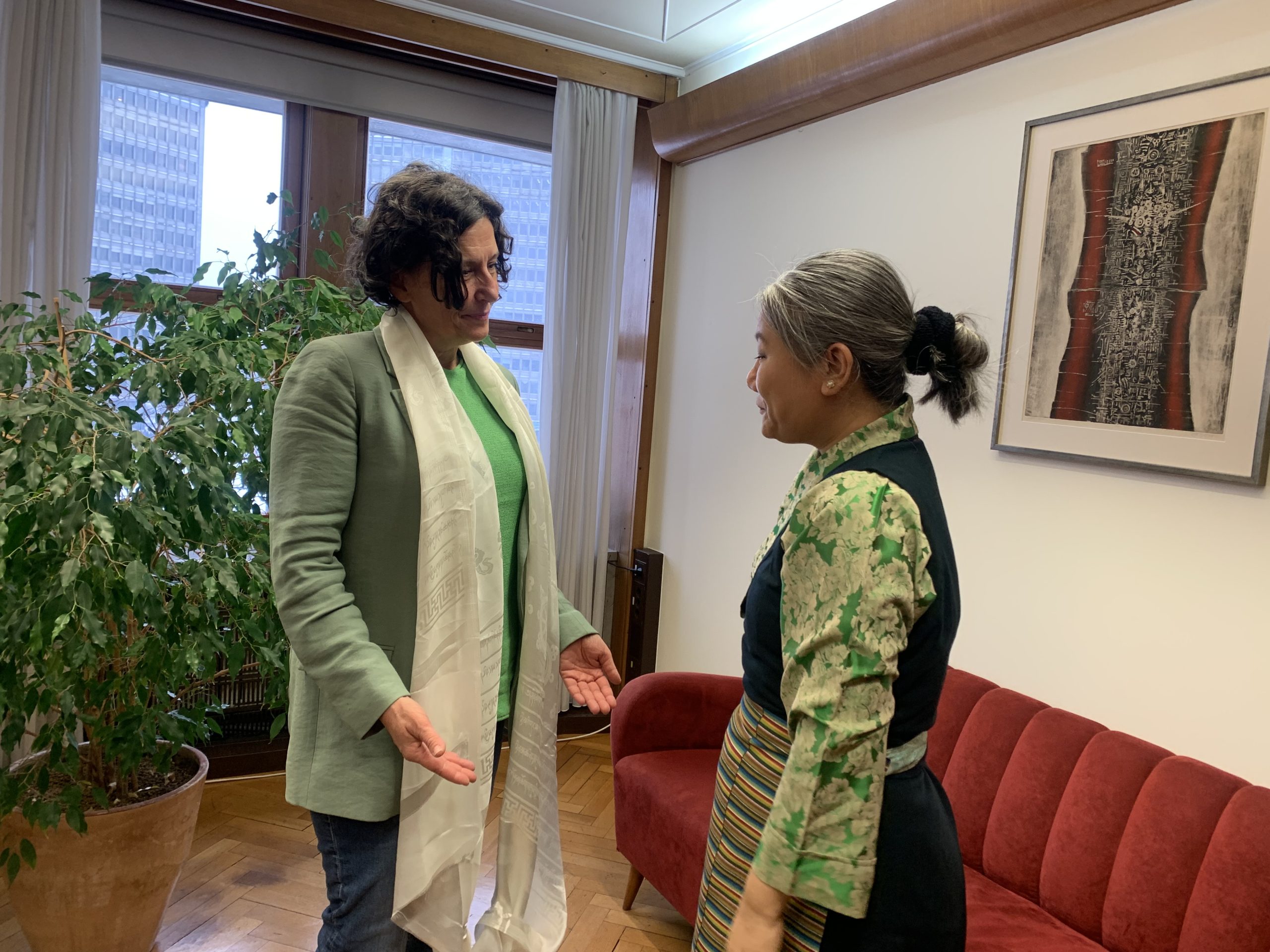
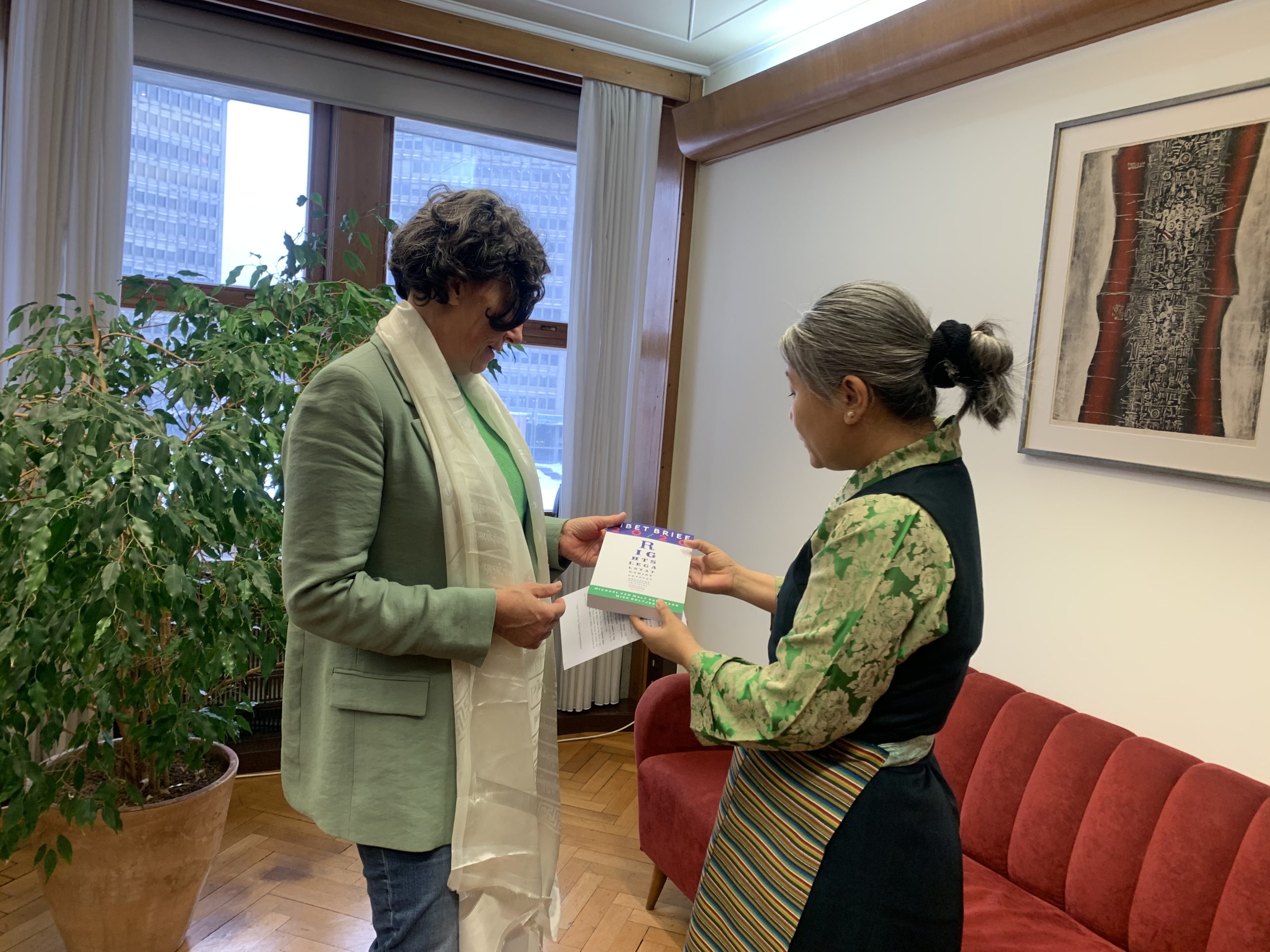
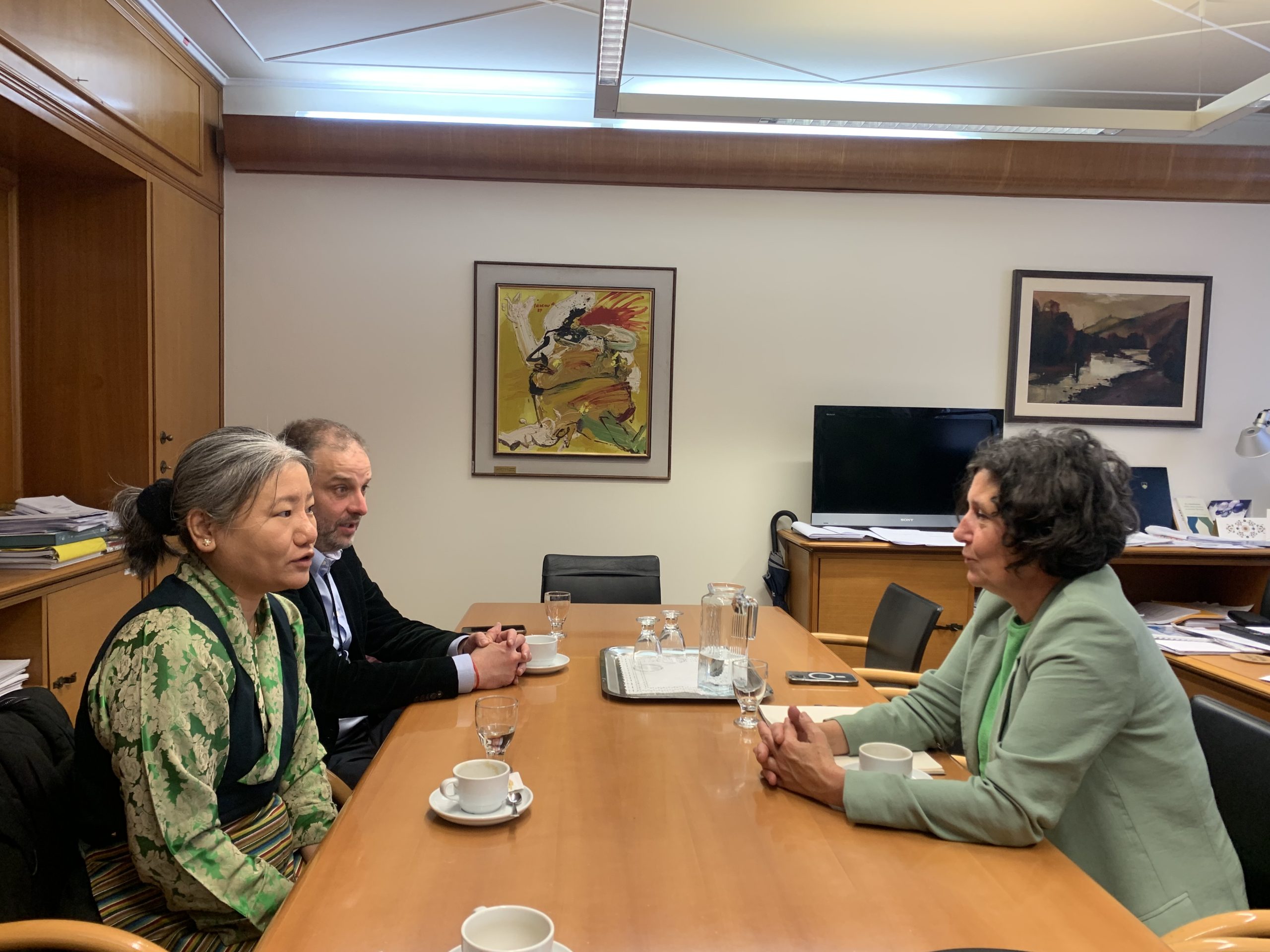
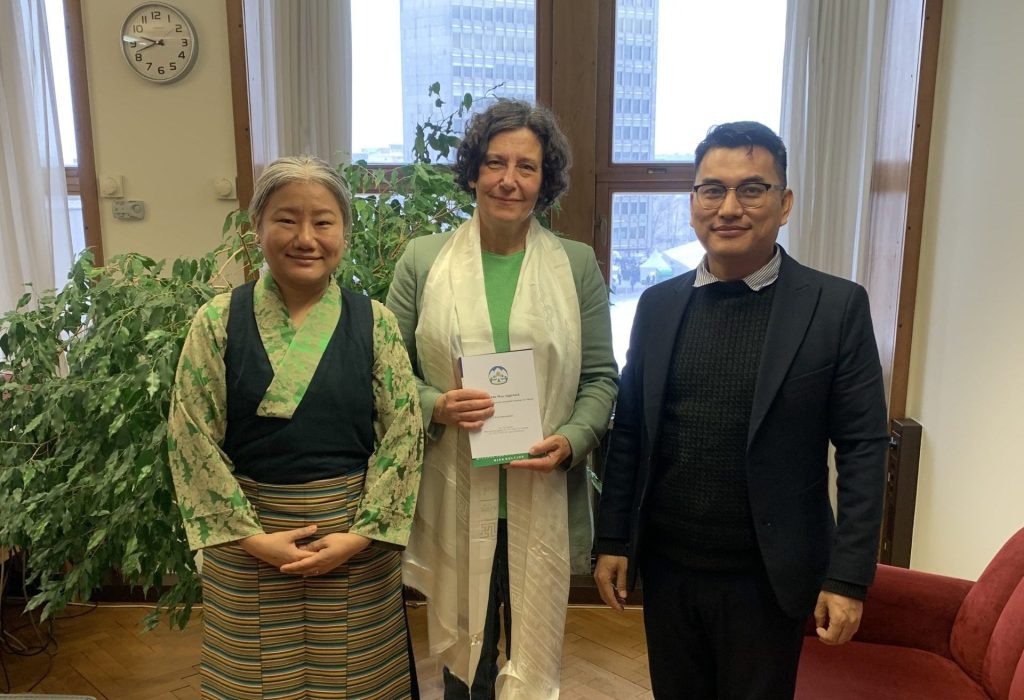
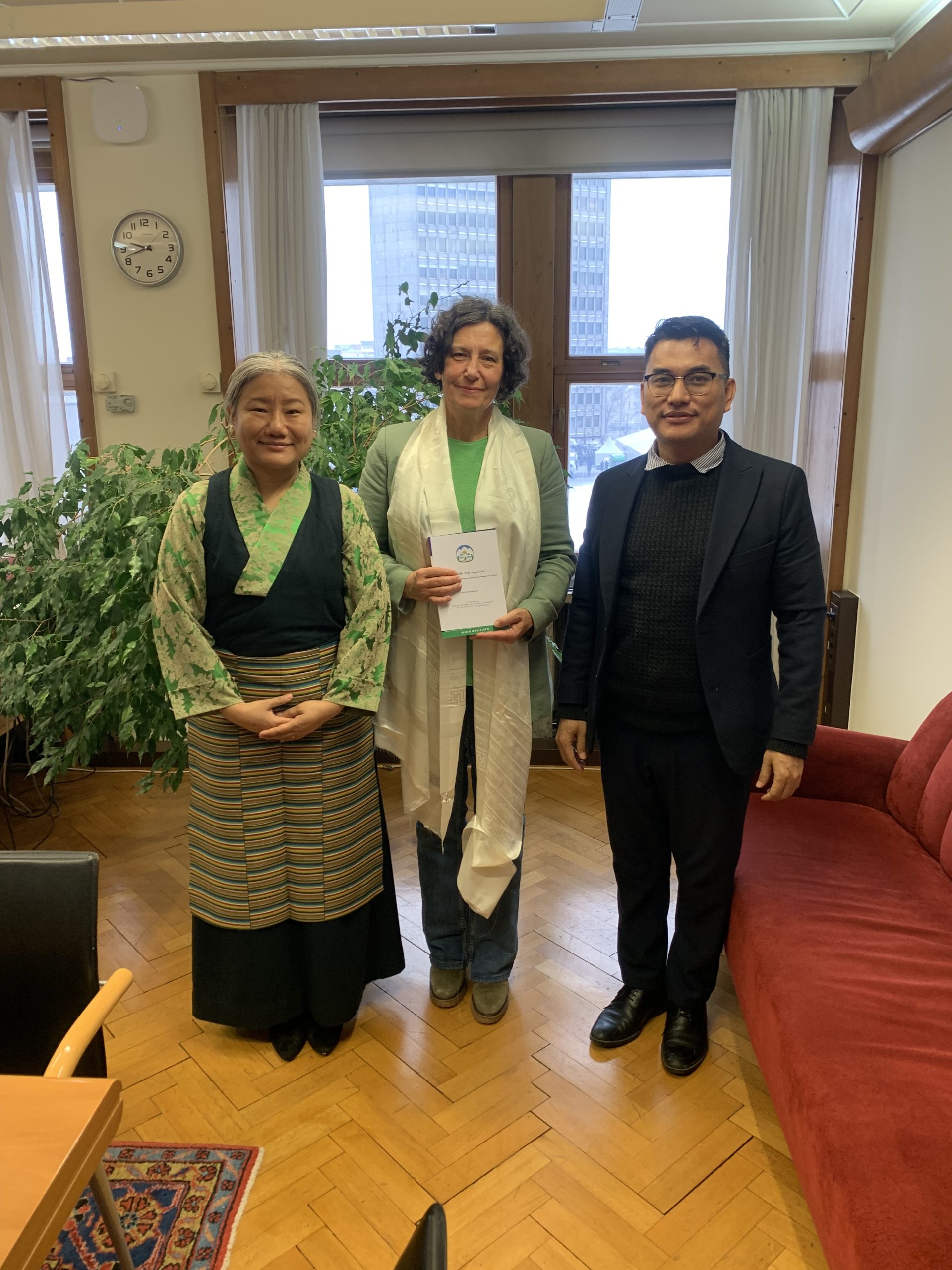
Ljubljana, Slovenia: On 9 January 2026, in Ljubljana, Slovenia, Representative Thinlay Chukki and Phuntsok Topgyal, UN Advocacy Officer, began the second day of their official visit with an important meeting that may mark a new chapter in the history of Tibetan advocacy in Slovenia. They met with Tereza Novak, Member of Parliament of the Republic of Slovenia from the current ruling government party.
During the meeting, the Tibetan delegation introduced the Office of Tibet and explained its role in representing the Central Tibetan Administration (CTA). They shared how the CTA functions as a democratic government in exile and highlighted the Tibetan election system, reflecting the strong commitment of the Tibetan people to democracy, freedom, and non-violence despite decades of displacement.
A central focus of the discussion was the situation of His Holiness the 14th Dalai Lama. The delegation spoke clearly about the issue of reincarnation, which is deeply rooted in Tibetan religious tradition. They explained China’s contradictory position—while Chinese authorities publicly attack religion and insult the Dalai Lama, they are simultaneously attempting to control his reincarnation for political purposes. The delegation reaffirmed His Holiness’s firm statement that his reincarnation will take place and that the Gaden Phodrang Trust alone holds the legitimate authority to recognise it. This discussion helped bring clarity to an issue often misunderstood at the international level.
The Tibetan delegation also raised the urgent issue of China’s residential boarding school system in Tibet. They warned that these schools separate Tibetan children from their families, language, and culture, posing a serious threat to the survival of Tibetan civilisation. This concern was presented not only as a Tibetan issue, but as a global concern for human rights and cultural diversity. In response, Novak stated that she would raise the Tibet issue at the highest possible level. She also expressed willingness to support joint initiatives with other countries whenever opportunities arise, noting that national elections are approaching and that her party would make efforts to address Tibetan issues if re-elected.
In addition, the delegation described the overall situation inside Tibet today. They highlighted restrictions on religious practice, suppression of the Tibetan language, limitations on freedom of movement, and the shrinking space for cultural expression. The environmental damage on the Tibetan Plateau was also emphasised, particularly its role as the source of Asia’s major rivers and its impact on millions of people across the region.
A key outcome of the meeting was the proposal to form a Parliamentary Group for Tibet in Slovenia. This idea was received positively and represents a hopeful step toward long-term parliamentary engagement. If realised, it would mark a meaningful development in Slovenia’s relationship with the Tibetan people and their peaceful struggle for dignity and freedom.
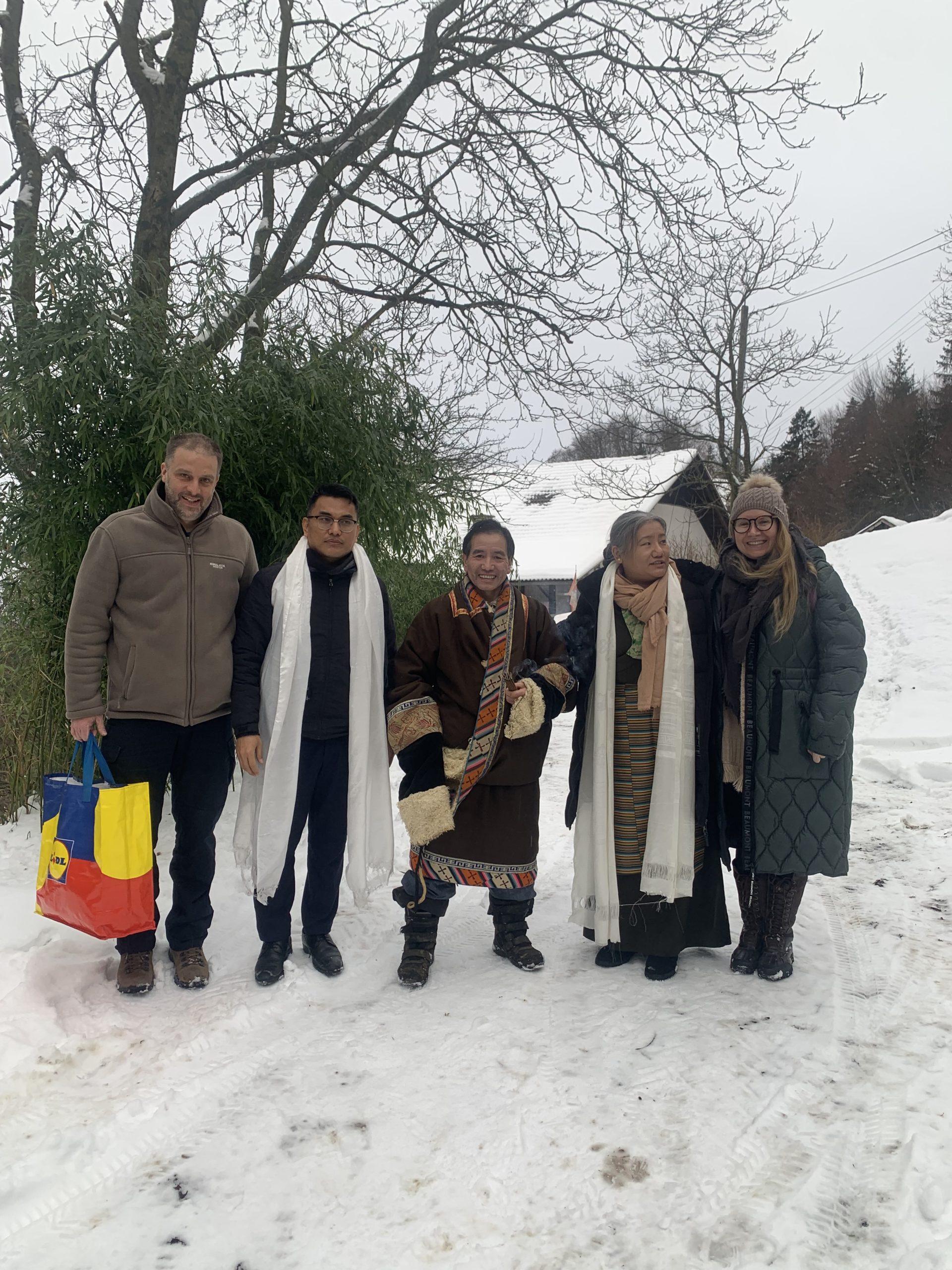
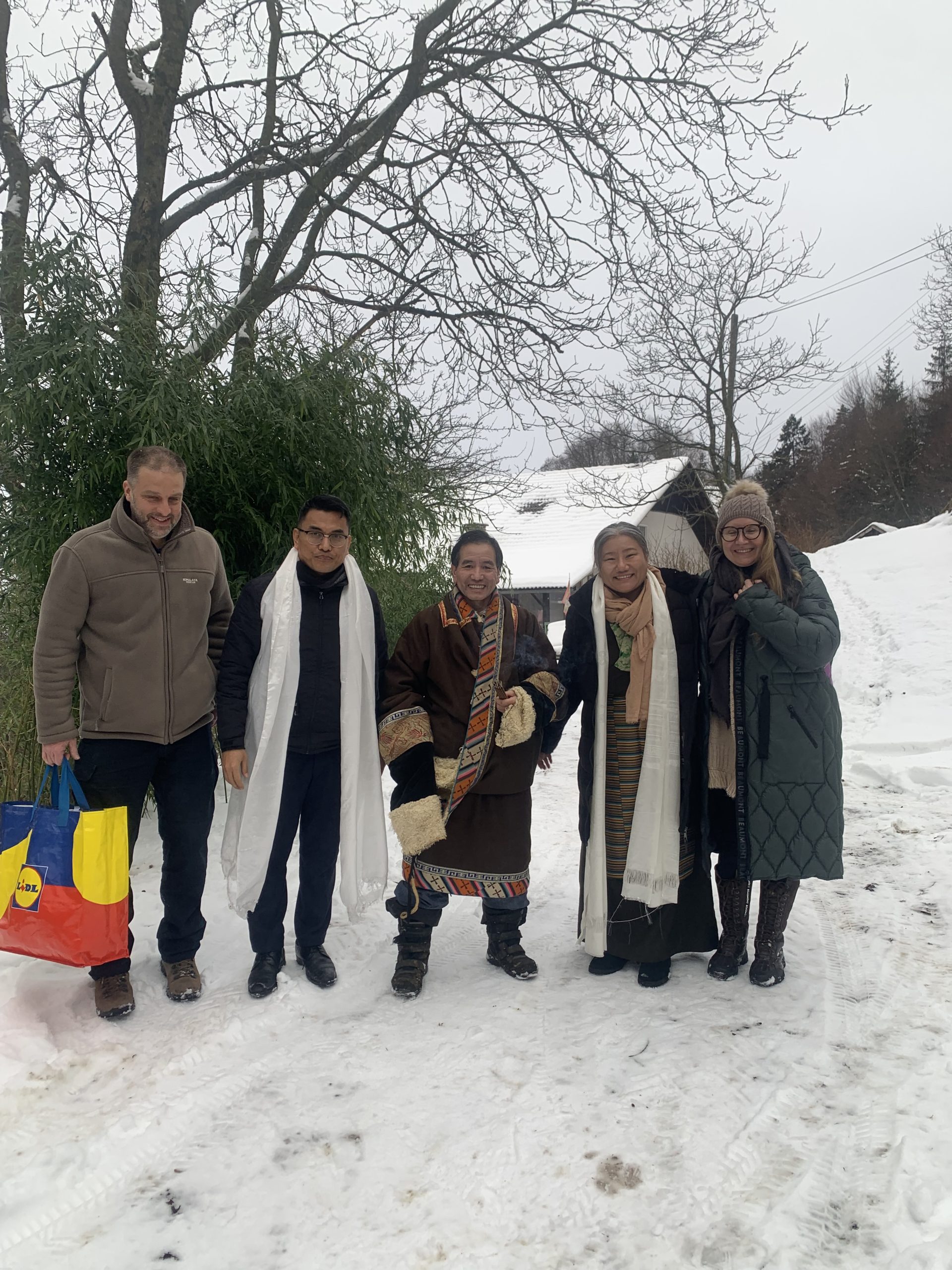
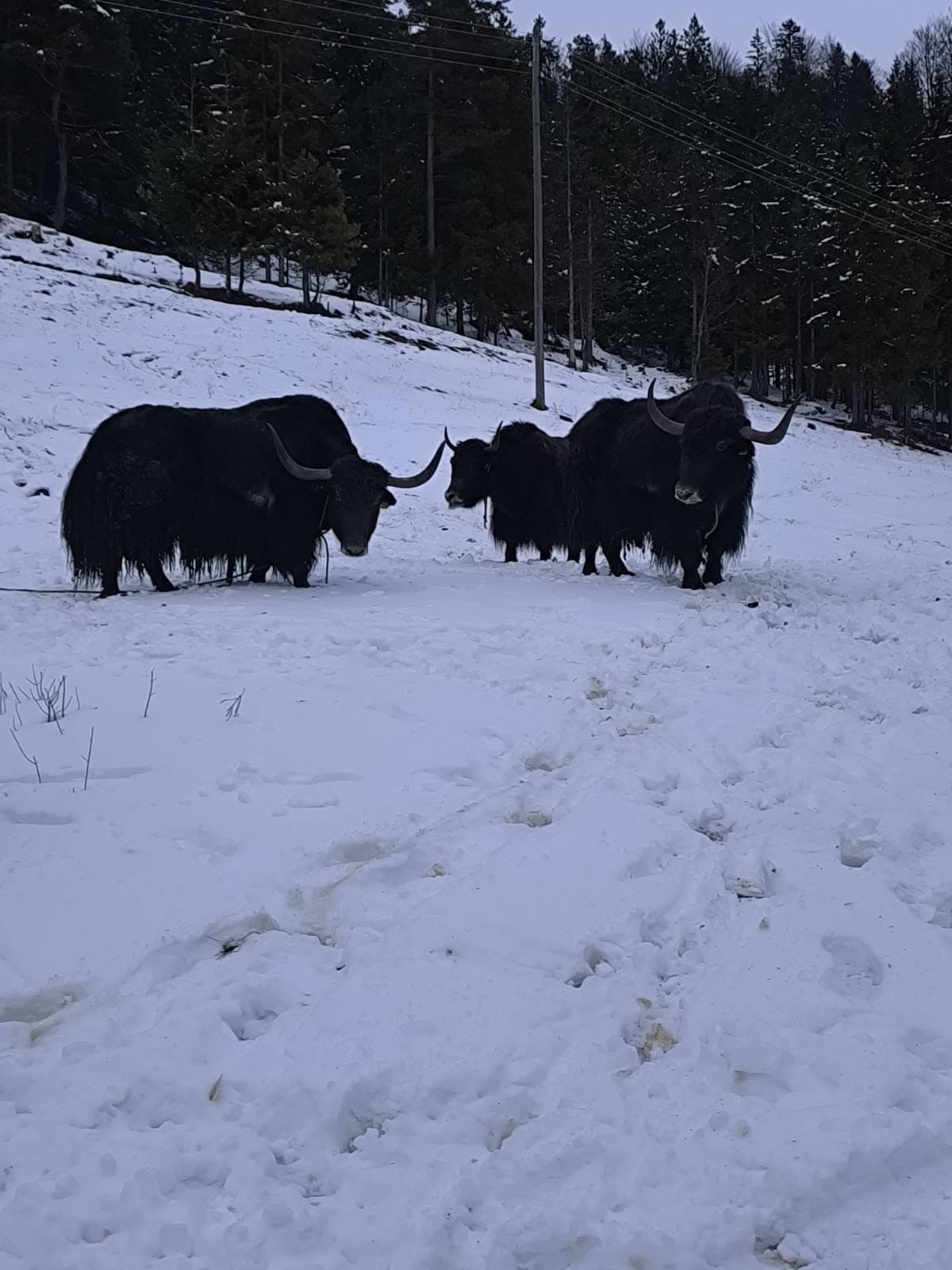
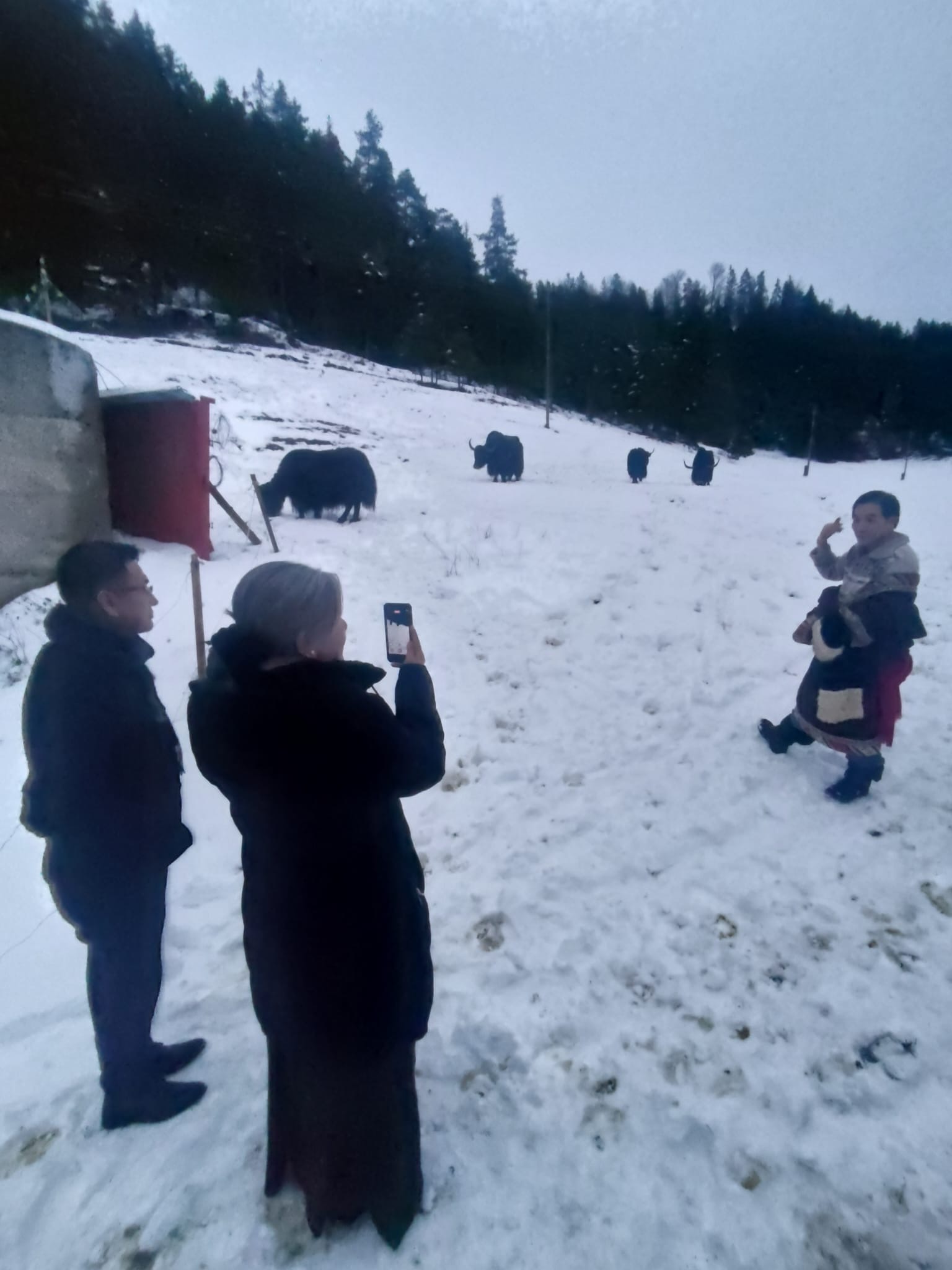
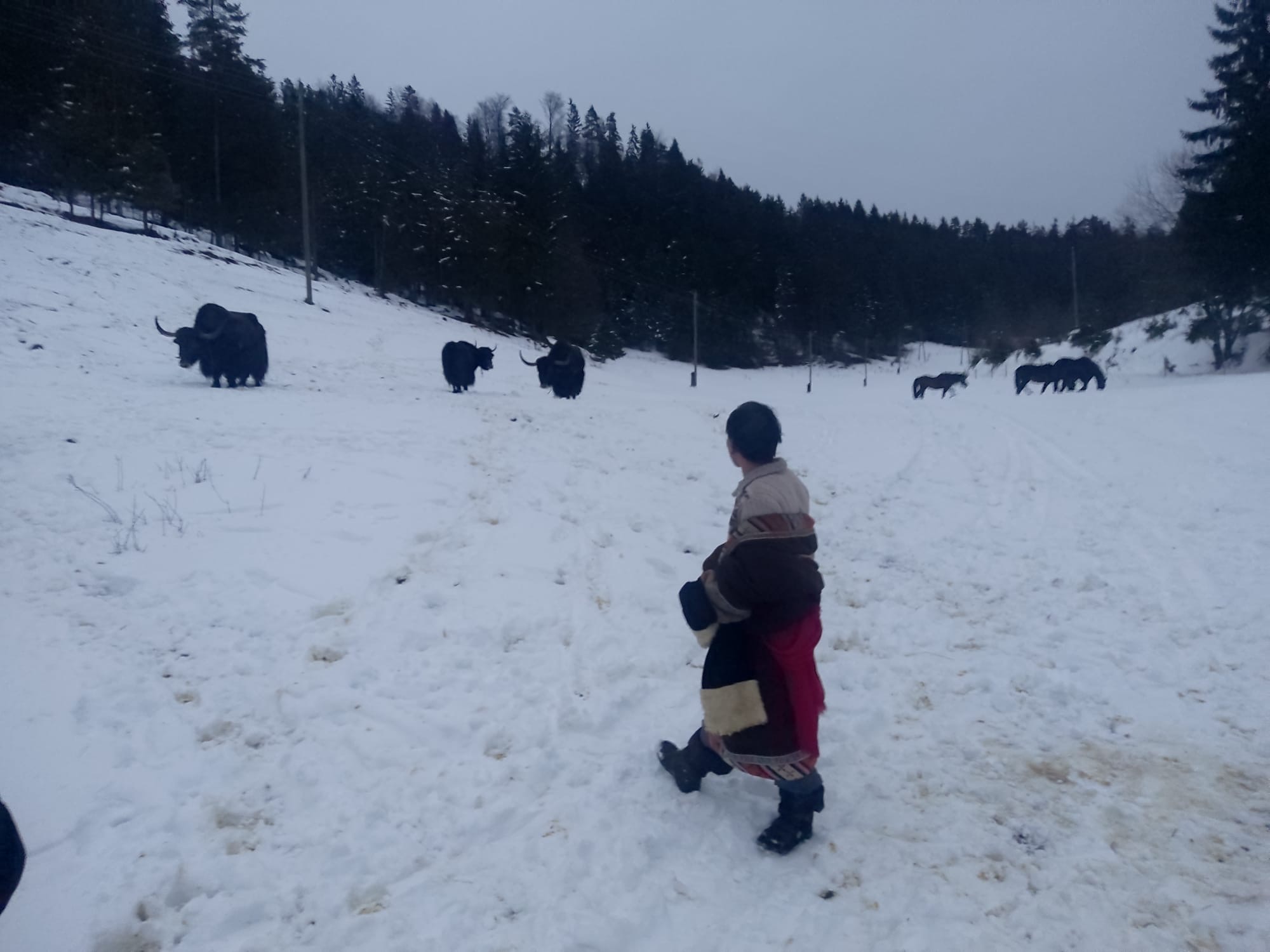
Following the official meetings, the Tibetan delegation met with Tibetan supporters in Slovenia. They also met Gonpo, the only Tibetan currently living in Slovenia, who continues to lead a nomadic way of life. His life in Slovenia reflects the same spirit and traditions of nomadic life in Tibet, standing as a quiet reminder of the resilience of Tibetan culture even far from its homeland.
This visit to Ljubljana stands as a quiet yet powerful moment—one that strengthens awareness, deepens understanding, and opens the door to future solidarity. In the long history of Tibet’s non-violent struggle, such moments affirm that the Tibetan voice continues to be heard.
-Report filed by Office of Tibet, Geneva