
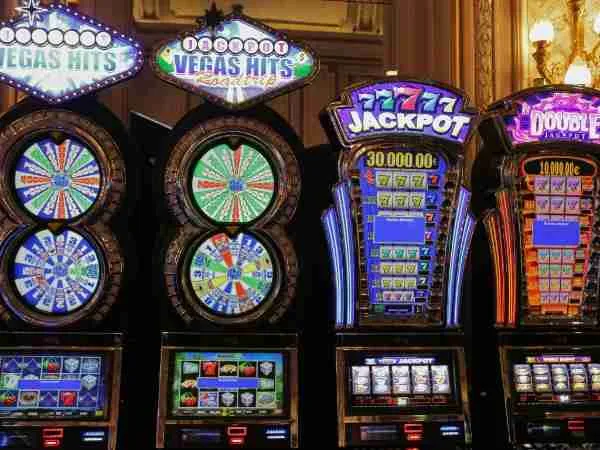
Serbia has put jackpot-style games under a dedicated compliance regime after publishing a new Rulebook that sets out how licensed operators can run jackpots, online and on the ground, and how prizes must be calculated, certified, monitored, and approved.
Recently, Jackpots have become a pressure point for regulators whenever there are questions about game integrity, payout transparency, or back-end controls. Serbia’s new rulebook answers that by turning jackpots into a permissioned product: operators can only offer them with prior approval from the Games of Chance Administration, backed by system certification and detailed rules on how the jackpot functions.
A permissioned product, renewed every year
Under the Rulebook model described in the publication, jackpot games can be offered only by licensed operators and only after a regulator sign-off for each jackpot product. Approval is time-limited and must be renewed, turning jackpots into something closer to an annually re-authorised feature than a set-and-forget promo layer.
For operators, that will probably change how jackpots are released and integrated. It will also give the regulator a predictable window to review mechanics, documentation, and system compliance before the product hits the market again.
Serbia caps jackpot exposure and ties it to the operator’s betting base
One important motion in the new structure is a statutory cap on total jackpot payouts, limiting jackpot exposure to a percentage of an operator’s annual net betting base (stakes minus player winnings).
That cap is calculated separately across verticals, including betting, gaming machines, and online games offered through electronic channels, which effectively stops operators from using one segment’s volume to “subsidise” another segment’s jackpot spend.
Certified systems, RNG standards, and “no hands on the wheel”
Right now, the Rulebook falls within a broader reform arc in which Serbia has been tightening technical supervision across licensed play. In official materials linked to the implementation of the updated Law on Games of Chance, the regulator’s expectations are explicit: certified systems, integrity standards, and structured reporting.
On jackpot mechanics, the hard message is that outcomes must be generated by compliant systems, and manual intervention is prohibited. That fits with Serbia’s broader technical direction, where system integrity is increasingly treated as the centre of the compliance story, not an afterthought.
Technical tightening first, social debate still running
The Ministry of Finance has cleared the jackpot Rulebook as an organisational and integrity measure aimed at tightening how operators run jackpots, rather than changing player-facing rights.
But the bigger debate in Serbia has not gone away. Critics of the 2024 reforms have argued the state is building a stronger technical rulebook faster than it is building a stronger harm-prevention framework, especially around youth protections and verification expectations.
Currently, the jackpot Rulebook won’t settle that argument, but it does show where the government is putting its immediate regulatory weight: controllable systems, defined liabilities, and tighter oversight of high-visibility game features.
Source: SBC News