
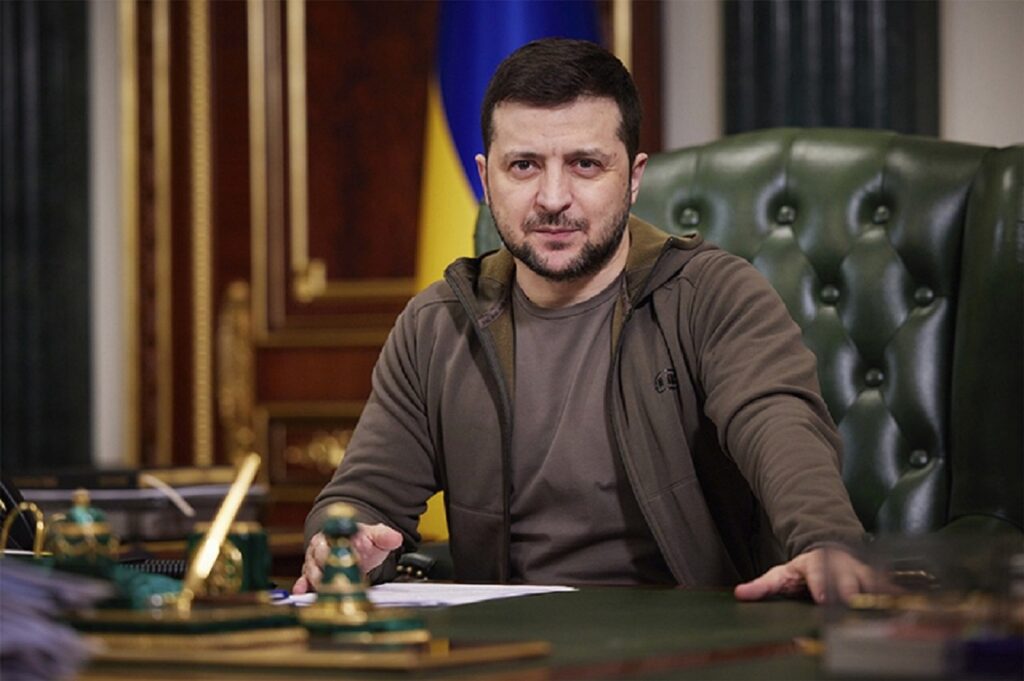
Recent diplomatic engagements between the United States, Ukraine, and Russia have renewed claims of progress toward ending the nearly four-year war in Ukraine. U.S. President Donald Trump hosted Ukrainian President Volodymyr Zelenskyy at his Mar-a-Lago estate in Florida on Dec. 28, 2025, where both leaders described negotiations as approaching a critical stage. Trump said Moscow and Kyiv were “closer than ever” to a peace deal, and Zelenskyy stated that a revised 20-point peace plan was “90 percent agreed” upon, with U.S.-Ukraine security guarantees settled in principle.
Following the meeting, President Trump acknowledged that one or two “very tough” issues remained outstanding. The most significant of these was territory, particularly in eastern Ukraine. President Zelenskyy reiterated that decisions on territorial questions must rest with the Ukrainian people, potentially through referendums. President Trump proposed a “free economic zone” in parts of the contested Donbas region, though he stressed that no final agreement had been reached.
The Florida talks followed a series of phone calls between Trump and Russian President Vladimir Putin, including one shortly before President Zelenskyy’s arrival. President Trump described the conversations as productive, while the Kremlin emphasized that a ceasefire without territorial concessions would only prolong the conflict. Ukrainian officials were reportedly caught off guard by the timing of the call, adding to unease in Kyiv and among European partners. The meeting also took place amid intensified Russian strikes on Kyiv in the days prior, reinforcing doubts about Moscow’s intentions.
The current negotiations are shaped by a long history of failed peace efforts. The conflict dates back to 2014, when Russia annexed Crimea and Moscow-backed separatists took control of parts of the Donbas. Subsequent attempts to halt fighting, including the 2015 Minsk II Agreement, did not prevent renewed hostilities. Ukrainian analysts continue to point to this record when questioning the durability of any new agreement. While Kyiv seeks a ceasefire as a basis for broader talks, trust in Russia’s willingness to uphold commitments remains low.
Security guarantees have emerged as a central feature of the latest U.S.-backed proposal. President Zelenskyy has indicated that Ukraine is willing to abandon aspirations for NATO membership in exchange for long-term Western guarantees, potentially lasting 15 years or more. U.S. officials have suggested that these could include intelligence support, monitoring mechanisms, and a European-led multinational presence stationed away from the front lines. Russia has stated it would not accept the deployment of NATO troops in Ukraine, and it remains unclear whether Moscow would agree to an arrangement that leaves Ukraine with a strong postwar military.
The proposed framework has raised concerns in both Europe and Ukraine about timeliness. President Trump has set informal deadlines for progress, while Russia continues to claim battlefield advances in eastern and southern Ukraine. The structure of the plan relies heavily on incentives for Moscow, with limited enforcement mechanisms should violations occur. Ukrainian and European officials have identified territorial concessions, limits on Ukraine’s armed forces, and restrictions on future NATO enlargement as unacceptable red lines.
Despite these obstacles, the talks have expanded to include closer coordination with European leaders. Trump and Zelenskyy held joint calls with figures such as French President Emmanuel Macron and British Prime Minister Keir Starmer, while further meetings are planned in Europe to discuss security guarantees and financial support. The European Union continues to debate the use of frozen Russian assets to sustain Ukraine’s economy.
As negotiations continue, both President Trump and President Zelenskyy have cautioned against assuming an imminent breakthrough. Trump has said the talks could still collapse, while Zelenskyy has stressed that any agreement must translate into concrete and enforceable security assurances. With territory and implementation mechanisms unresolved, the coming weeks are likely to determine whether the current momentum produces a ceasefire framework, or becomes another stalled attempt to end the conflict.