

Published on
January 16, 2026
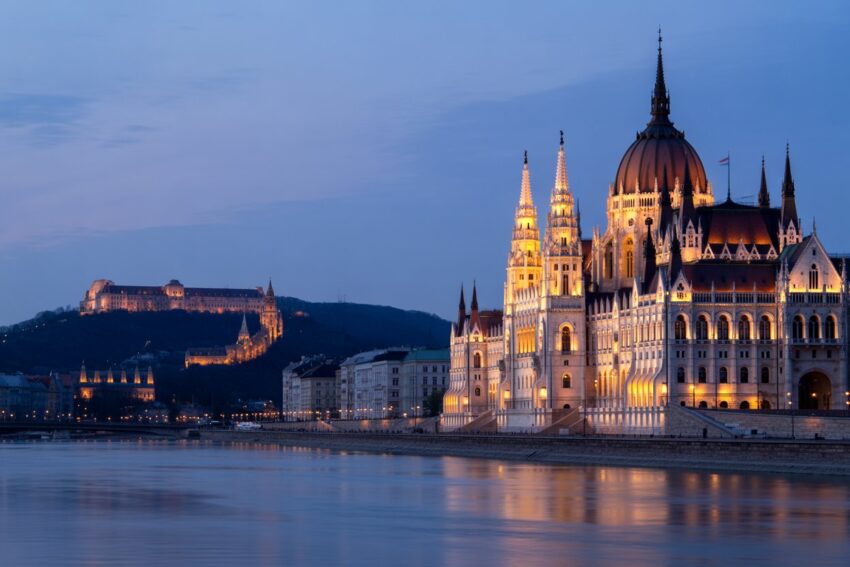
Hungary’s travel and tourism sector delivered an extraordinary performance in 2025, smashing previous visitation records and prompting strategic infrastructure upgrades — including the restructuring of Debrecen Airport, the country’s second‑largest aviation hub. Preliminary government and industry data indicate that the number of travellers staying in Hungarian tourist accommodations surpassed 18.2 million arrivals by early December 2025, exceeding the prior peak from 2024 and highlighting robust demand from both domestic and international visitors.
For a nation of fewer than 10 million residents, welcoming nearly 20 million visitors in a single year underscores Hungary’s rising profile as a must‑visit European destination — a trend supported by strong growth across accommodation revenue, food and beverage turnover, and air passenger traffic through the capital’s airport.
Record Tourism Growth Across Hungary in 2025
Government statistics show that tourism in Hungary expanded significantly in 2025, with visitor arrivals up by approximately 7 percent year‑on‑year — a remarkable achievement given the competitive landscape of European travel markets. Domestic and foreign tourists were nearly evenly balanced, while Budapest continued to attract the largest share of traffic at around 38 percent of total visitors. Rural regions, including the scenic Lake Balaton area, accounted for a combined 62 percent of overall tourist flow, demonstrating that Hungary’s appeal extends well beyond its capital city.
Budapest’s Liszt Ferenc International Airport also recorded its busiest year ever, handling a historic high of 19 million passengers in 2025 — far surpassing its previous annual records and cementing Hungary’s role as a growing aviation hub in Central Europe.
Economists and tourism officials have emphasised that this surge reflects both the enduring attractiveness of Hungary’s cultural, historical and leisure offerings and successful government support measures designed to strengthen infrastructure, marketing, and visitor services.
Hotel, Dining Revenues Climb Alongside Visitor Numbers
With rising demand came notable financial gains for Hungarian service industries. Tourism accommodation providers reported a 12 percent increase in revenue while the food and beverage sector saw a 9 percent rise in turnover. These gains reflect deeper consumer engagement with Hungary’s hospitality offerings, ranging from world‑class thermal baths in Budapest to lakeside resorts and regional culinary experiences.
Analysts note that these spending trends not only benefit large cities but also sustain employment and economic activity in smaller towns and rural communities, with tourism accounting for a significant share of local jobs and business income.
Restructuring Debrecen Airport for Long‑Term Tourism Impact
Responding to the tourism boom, the Hungarian government announced a major plan to restructure Debrecen International Airport — the country’s second‑largest airport. Under a transfer of majority ownership to the National Regional Airport Operator Holding Ltd., state planners intend to modernise the runway, expand the terminal, and strengthen logistics infrastructure to support increased international flight traffic and tourism growth.
The restructuring aims to improve operational efficiency, attract new airline services, and help position Debrecen as a gateway for travellers exploring eastern Hungary and neighbouring regions. The project’s broader goal is to decentralise tourism growth beyond Budapest and ensure that enhanced connectivity fuels regional economic development, job creation, and cultural exchange.
Officials emphasise that strategic airport development is crucial to sustaining long‑term tourism growth and enhancing Hungary’s position within European travel networks. As global aviation competition grows, improved facilities and air service options are seen as key competitive advantages for attracting travellers from distant markets in Asia, the Americas, and beyond.
International Connectivity and Logistics Expansion
In support of broader economic and travel goals, Hungary also inaugurated a regular freight train connection between Chongqing, China and Budapest in early December 2025, enhancing logistics links under China’s “Belt and Road” initiative. This freight service — transporting automotive parts, electronics, and consumer goods — reduces transit time by about 30 percent compared with traditional rail routes and illustrates Hungary’s strategic role as a European logistics hub.
The integration of freight and passenger infrastructure improvements highlights the interconnected nature of travel, trade, and tourism in Hungary’s national development strategy.
Government and Industry Perspectives on Growth Management
Tourism leaders, including officials from the Hungarian Tourism Agency and the Ministry for National Economy, have stressed that future growth will prioritise quality over sheer volume, focusing on attracting high‑value travellers while balancing sustainability and infrastructure capacity. This approach mirrors strategies seen in other thriving European destinations, where economic benefits are maximised without overwhelming local communities and natural resources.
Government initiatives have also included financial support for small tourism businesses, promotional campaigns in key source markets, and partnerships with industry stakeholders to ensure that services and visitor experiences remain competitive and compelling.
Human Stories Behind the Statistics
For many visitors, Hungary’s appeal lies in its rich tapestry of cultural heritage, from the architecture of Budapest’s Parliament and Buda Castle to the thermal springs of historic spa towns. Lake Balaton’s idyllic scenery adds a nature‑based complement to urban tourism, while rural villages and wine regions offer authentic experiences that enrich international travel itineraries.
Local hospitality providers report that the 2025 tourism boom has brought renewed optimism after pandemic‑era disruptions, with restaurateurs, hoteliers, and tour operators enjoying strong seasonal and off‑season business. Residents also benefit from infrastructure enhancements that improve connectivity and quality of life.
Environmental and Sustainable Considerations
With rapid tourism expansion, Hungarian authorities acknowledge the importance of sustainability. Policies promoting environmentally responsible travel, cultural preservation, and investments in green infrastructure are increasingly part of planning discussions. This mirrors broader EU commitments to sustainable tourism growth and responsible visitor management.
Looking Ahead: A Strategic Vision for 2026 and Beyond
As Hungary enters 2026, officials remain cautiously optimistic about continued tourism momentum. With strong government support, enhanced airport capacity, and a diversified mix of cultural and natural attractions, Hungary is positioned not only to sustain its record performance but also to refine its tourism offering for long‑term success.
Travel experts suggest that Hungary’s story in 2025 reflects global travel trends where travellers seek authentic experiences, affordable European destinations, and well‑developed aviation infrastructure that makes multi‑destination journeys convenient and enjoyable.
