
Published on
January 16, 2026
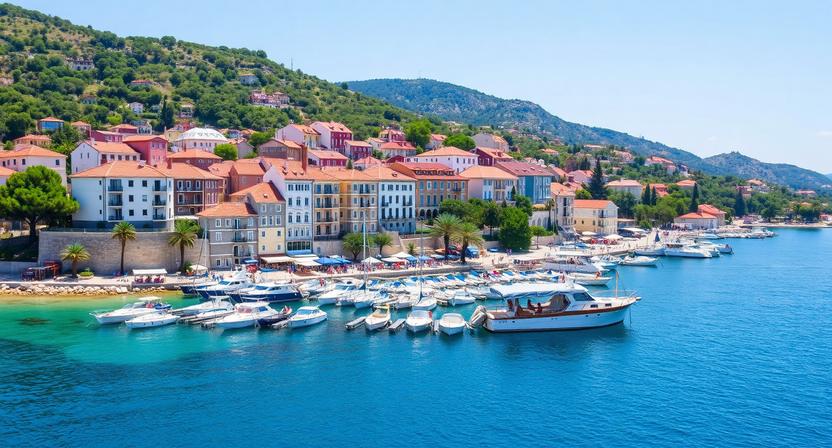
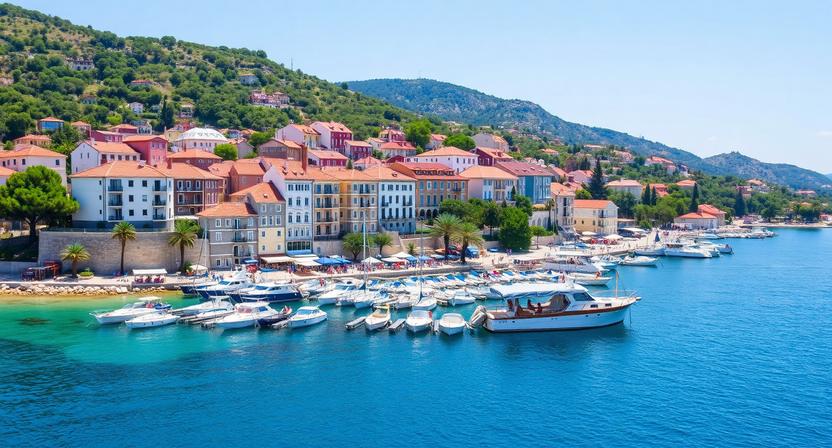
Croatia has made significant steps in sustainable tourism growth with the announcement of a reduction in almost 10,000 tourist beds. Tonči Glavina, the country’s Minister of Tourism and Sport, has confirmed this reduction as an intentional result of extensive tourism reforms, spatial, and fiscal reforms to enhance the quality of tourism and ensure locals benefit more. The country, now set on sustainability and responsible tourism, is remodeling its image toward tourism growth that balances local housing needs with visitors demands.
This is rather part of the long-term strategy regarding optimization towards tourism infrastructure, avoiding over-tourism, and making sustainable destinations to enhance the quality of life for residents. The move also aligns with recent global tourism trends that focus on sustainability, local engagement, and cultural preservation.
Shifting Focus from Short-Term Rentals to Long-Term Housing
A key success of the reforms has been the return of housing to the long-term rental market, addressing growing concerns over housing affordability for local residents. For the first time since 2018, private accommodation providers have reported an increase in occupancy for long-term rentals, with 14 percent more taxpayers now registered for long-term rentals.
This shift towards long-term leasing is vital for tourism growth that does not detract from local housing availability. By improving the stability of the rental market, the government aims to address the issue of housing shortages in popular tourist areas while ensuring that tourism-related incomes do not distort local housing prices.
Sustainable Tourism Growth Model: Balancing Visitor Demand with Local Needs
One of the most important outcomes of the reforms is the controlled expansion of tourism facilities, which reduces the pressure on local housing and infrastructure. Glavina explained that the focus is now on improving the occupancy of existing capacities and preventing the uncontrolled expansion of new accommodation.
These changes are designed to create a more balanced tourism growth model that enhances the visitor experience while preserving local resources and supporting housing availability. In the long run, this model will not only help sustain Croatia’s tourism appeal but will also increase the quality of life for those living in the country’s most popular tourism destinations.
Property Market Adjustments and Impact on Tourism
The reforms are already showing signs of reshaping the property market, particularly along the Adriatic coast, where property prices have long been driven by demand from short-term rental platforms. Glavina noted that property sales have dropped by around 30 percent in the Adriatic counties, signaling the beginning of a price correction.
While property prices have not yet fallen significantly, the slowdown in sales is expected to lead to more stable housing prices, particularly for older apartments. The stabilization of the real estate market is essential for creating a more sustainable tourism economy in Croatia, where property ownership and rental markets can better serve both locals and tourists without the volatility driven by tourism over-saturation.
This slowdown in the property market may also benefit tourism growth in the long term, as it could lead to more affordable housing options for both local residents and long-term visitors who are seeking to experience Croatia’s culture in a more authentic and sustainable way.
Local Authorities’ Role in Managing Rental Taxes and Tourism Impact
In response to concerns over higher taxes for private property owners renting long-term, Glavina clarified that local authorities are responsible for setting the exact amount of the flat-rate rental tax, with the national government only determining the minimum and maximum limits. This local flexibility helps ensure that the system remains responsive to market conditions while allowing for economic fairness in popular tourist areas.
This local control is crucial for managing tourism growth at a more sustainable pace, as it enables municipalities to adjust tax levels based on regional needs and housing market trends. By fostering a more balanced tax system, Croatia is setting the stage for a tourism industry that benefits both residents and visitors alike, ensuring the long-term success of the country’s tourism infrastructure.
Tourism Growth and the Road Ahead for Croatia’s 2025 Season
Looking ahead to the 2025 tourist season, Glavina acknowledged that high property prices and profit margins pose the greatest risk to the country’s tourism growth if they continue to escalate unchecked. However, the tourism reforms in place are designed to reduce price pressures, maintain affordability, and ensure that the visitor experience is not overshadowed by excessive costs for both tourists and local residents.
As Croatia continues to implement its sustainable tourism growth model, housing availability and local economic integration will be key factors in maintaining visitor satisfaction and ensuring long-term stability in the tourism sector. With the reforms providing a roadmap for balanced development, Croatia is positioning itself as a global leader in responsible tourism, where growth and sustainability go hand in hand.
Sustainable Tourism Growth for the Future
The current cutback in tourist beds and a move towards long-term lettings in Croatia mark a marked positive shift in the tourism sector for the country. The above factors, together with the possible adjustments taking place in the property markets, are evidently promoting healthy growth within the tourism sector for the country of Croatia.
As the nation presses forward with ensuring the sustainability of tourism in the country, all these measures are anticipated to improve not only the tourism experience in Croatia but are also set to stimulate economic growth in the nation in the future.
